We made a short trip to Ireland as the harshest COVID restrictions had lifted and it was again possible to travel internationally to certain countries. We flew into Dublin a day late because our connecting flight from JFK was cancelled, picked up our rental car, and pretty much circumnavigated the island in a week. We got to see everything from small towns and abandoned castles to Dublin & Belfast, ate some delicious food, and tried a dram or two of whisky. We’ll be back!
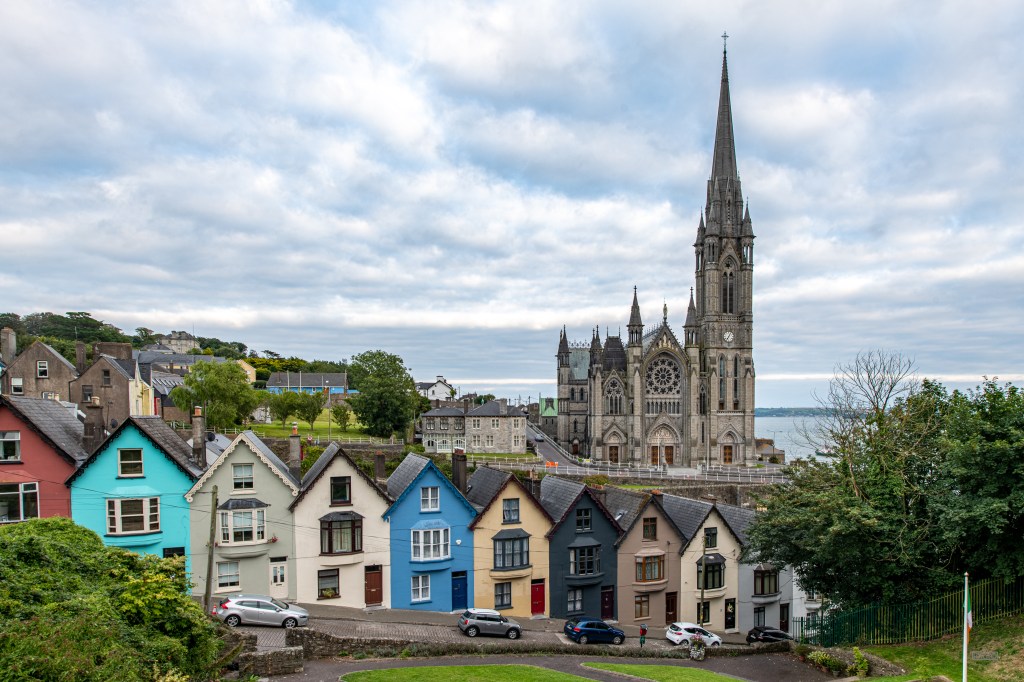
What is this, San Francisco? The tallest church in Ireland, it was completed in 1919, about 50 years after construction began. The church is in Gothic Revival style and overlooks Cork Harbor.
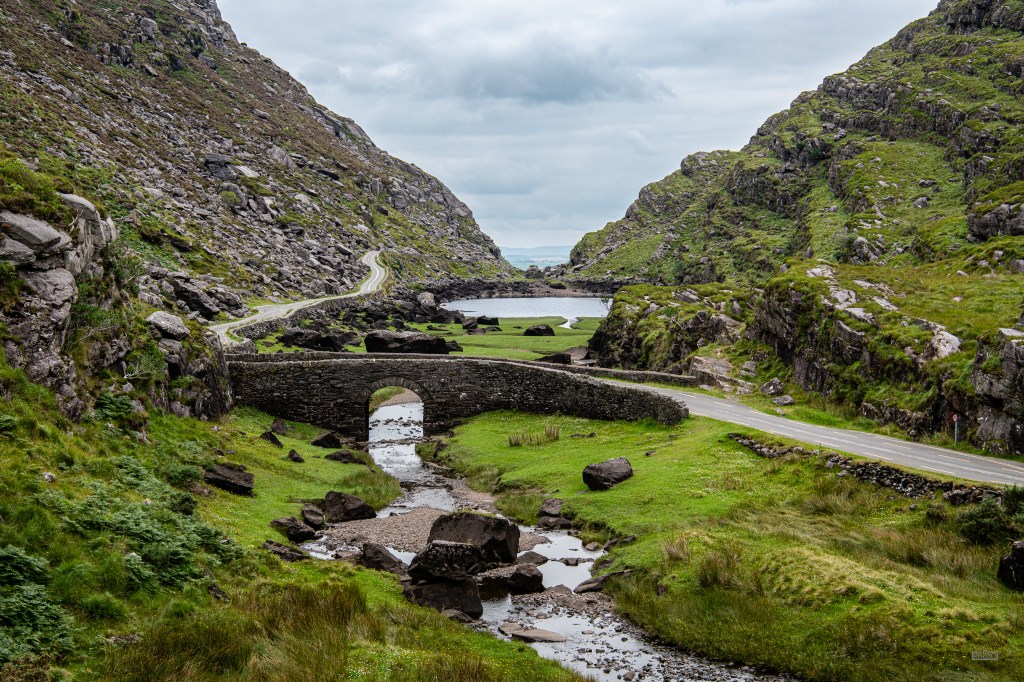
After a long drive on very small – and sometimes unmarked – roads, we came upon the Gap of Dunloe from above. The Gap is a narrow mountain pass carved by a glacier about 25,000 years ago. There are five lakes in the valley, connected by the River Loe.
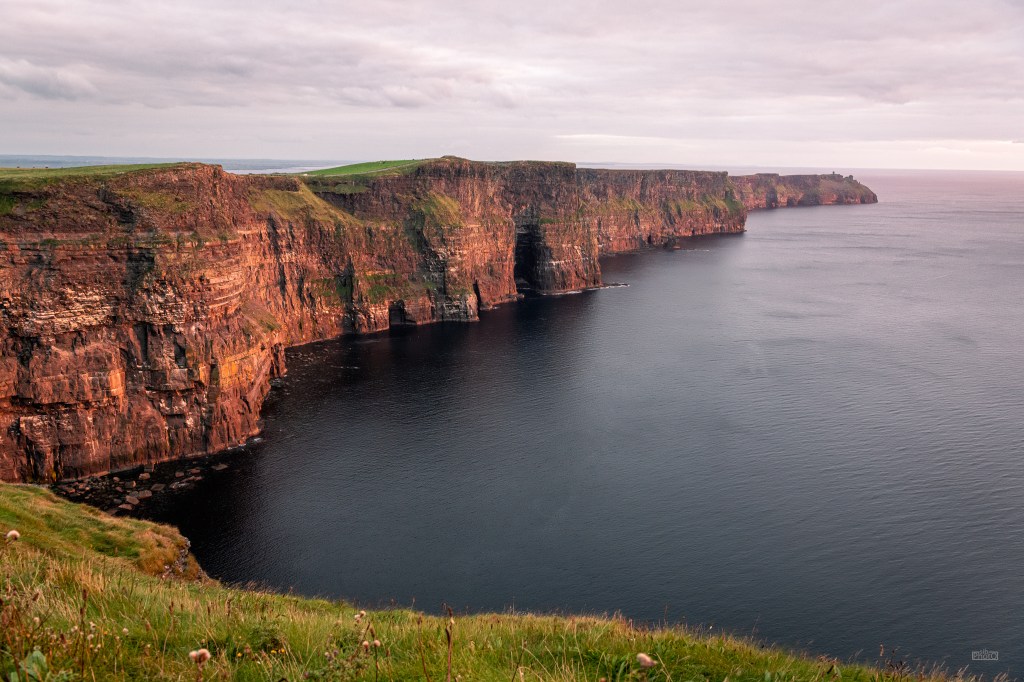
A classic sunset spot on the west coast of Ireland, the Cliffs of Moher are a striking sight. In places over 700 feet high, made of shale and sandstone, the Cliffs are one of the most popular tourist sites in Ireland. The famed “Cliffs of Insanity” scene in The Princess Bride was filmed here.
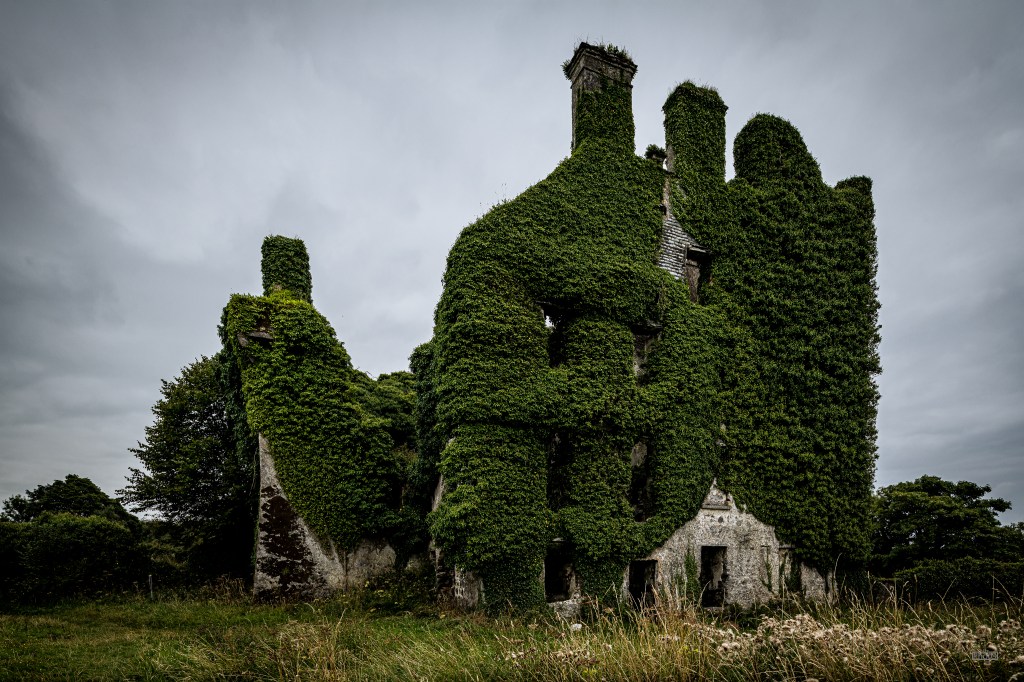
Home to the Blake Family for several centuries, Menlo Castle burned in 1910, after which it was left in ruins. Today it is owned by the Galway City Council.

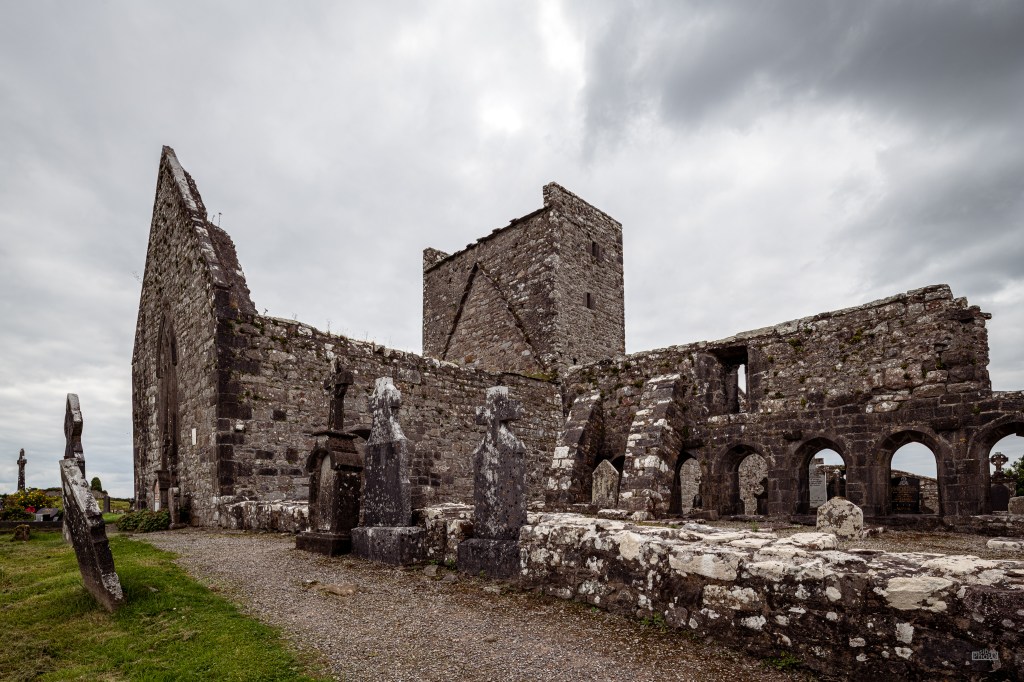
Founded in 1470 as a Dominican friary, what remains today is only part of the church and one wall of the cloister; the grounds are actively used as a cemetery.
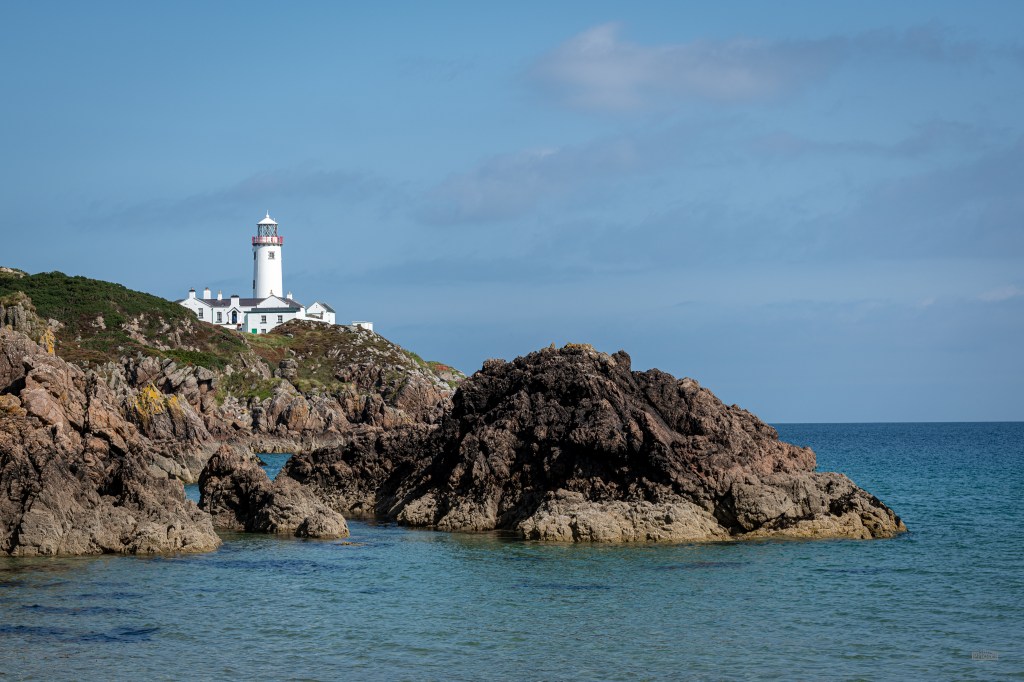
Fanad is a peninsula on the north coast of Ireland; the first lighthouse there was built in the early 1800s and the current light has been in place since 1886. As we were driving nearby looking for a different perspective, a very friendly farmer invited us onto his land and let us walk through the brush to a hidden path down to a deserted beach.
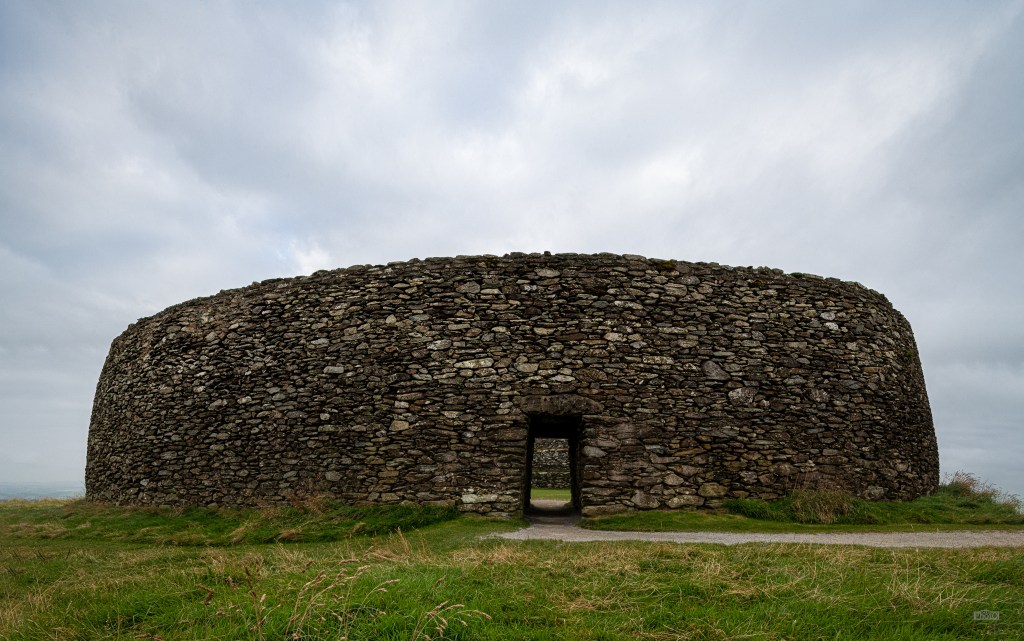
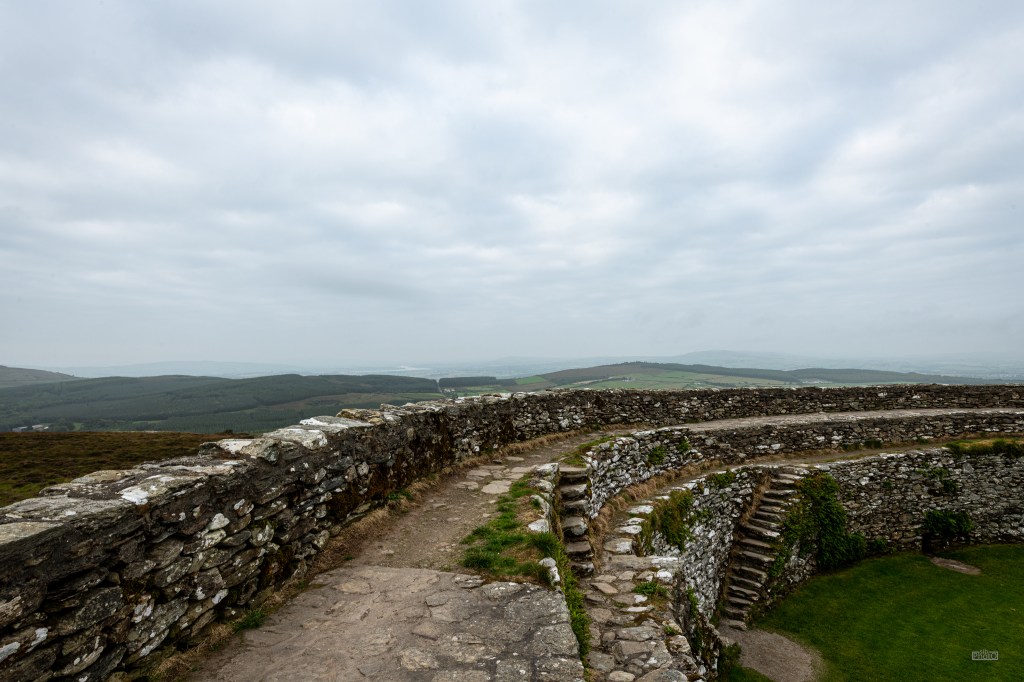
A hilltop ring-fort very near the border with Northern Ireland, the Grianan was originally built in the 6th or 7th century. With walls about 15 feet thick and similar in height, surrounding an interior about 75 feet in diameter, it is a massive structure. It was mostly destroyed in about 1100 and rebuilt in the 1870s. Today the site is open for visitation and you can climb the internal stairs to reach the top of the wall.
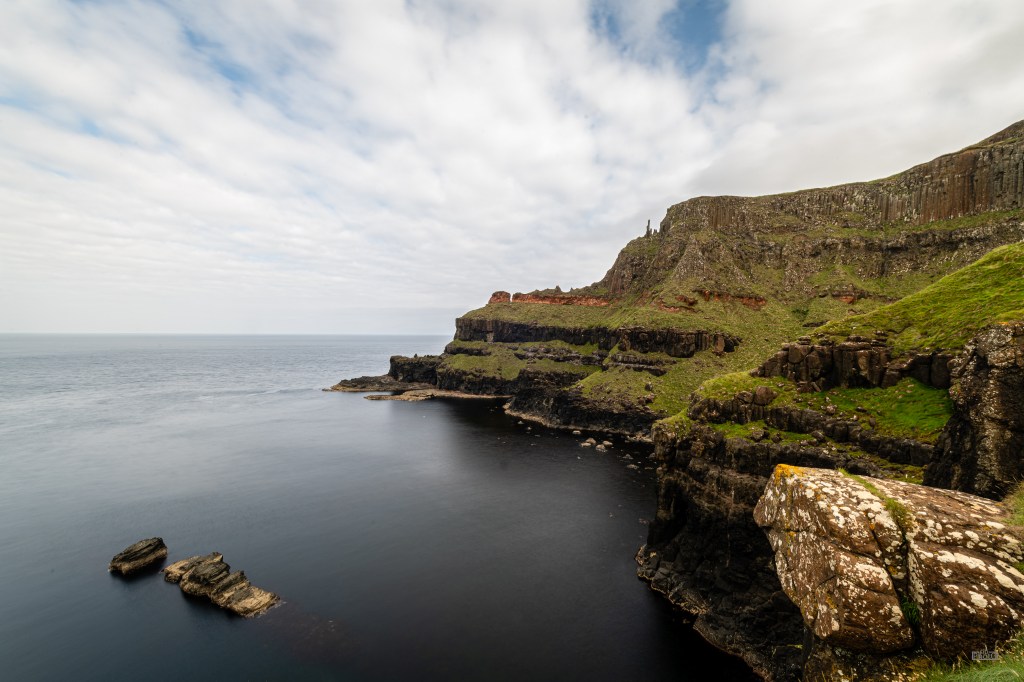
Almost the only place we saw a crowd was at the basalt columns of the Giants Causeway World Heritage site – every column seemed to have its own person sitting or standing on it. The view above is what the rest of the site looks like – a beautiful, windswept, lonely coastline.
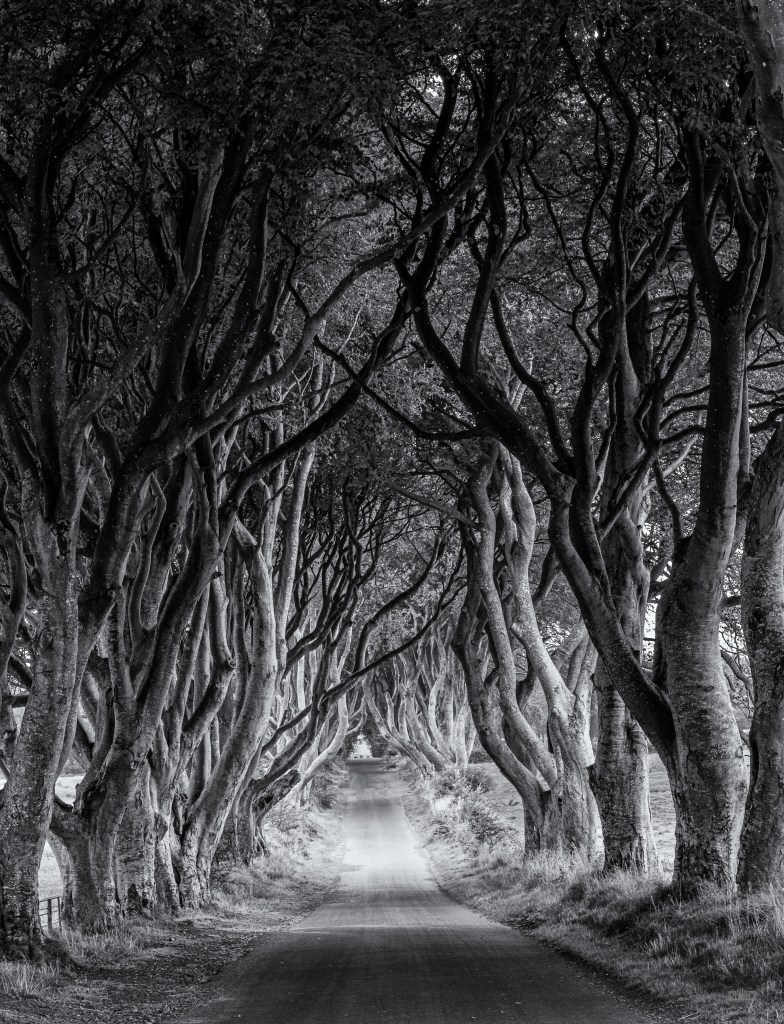
Planted in the 18th century to decorate the entrance road to James Stuart’s new house, the 150 trees – of which about 90 remain – have grown over the years to form a beautiful tunnel along the road. It became a popular tourist site after being used as a shooting location in Game of Thrones.

Titanic Belfast is a museum dedicated to the city’s maritime heritage and to the memory of the Titanic, which was built there. It’s interesting, well-done, and worth a visit.

You may not realize this, but it’s actually illegal to visit Dublin and not go to the Long Library at Trinity College. OK, it’s not technically illegal, but it certainly seems that way. It’s a beautiful building!


 Fernweh
Leave a comment