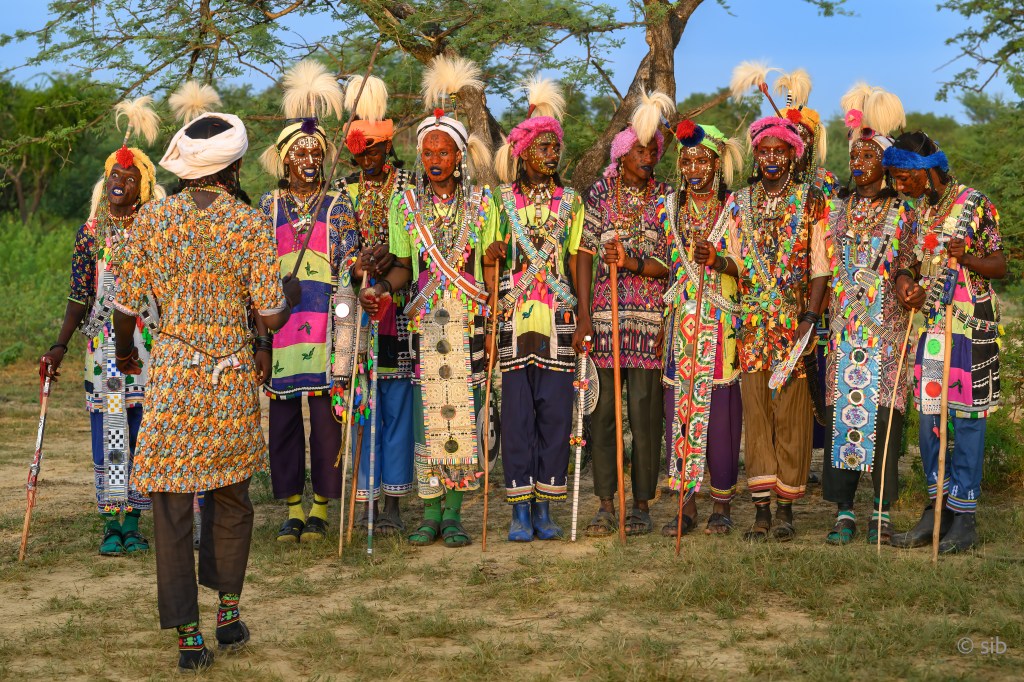
Imagine a world where beauty and charm are not just virtues, but the very fabric of a culture. Welcome to the experience of the Wodaabe, a nomadic subgroup of the Fula ethnic group, primarily found in Niger and Chad. With only about 30,000 nomads remaining, the Wodaabe are a testament to a traditional way of life that is both captivating and resilient.

Our journey took us to the heart of Chad, where we had the privilege of witnessing the Gerewol festival, an annual courtship celebration that is as vibrant as it is ancient – there are rock paintings more than 5,000 years old that appear to show the Gerewol. This post is a journey through the Wodaabe culture, the Gerewol festival, and our unforgettable experience of immersing ourselves in one of Africa’s most unique and spectacular events.
The Wodaabe
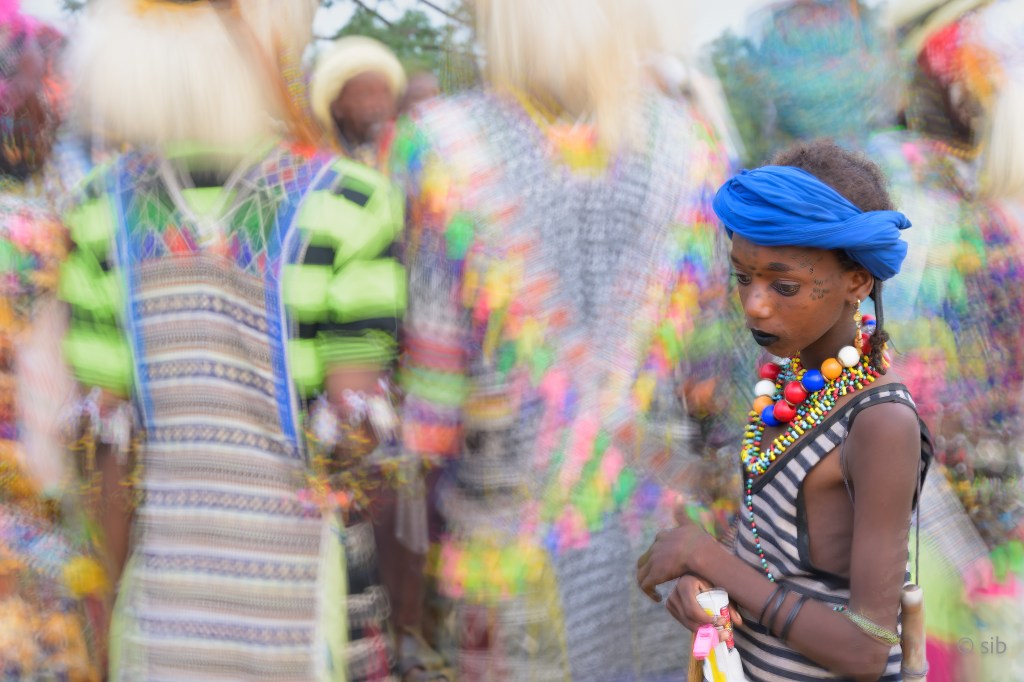
The Wodaabe are cattle-herders and traders in the Sahel region, known for their extensive migrations that span across parts of Niger, Nigeria, Cameroon, Chad, the Central African Republic, and the Democratic Republic of Congo. Their rich cultural heritage is marked by elaborate attire and ceremonies that have been passed down through generations.
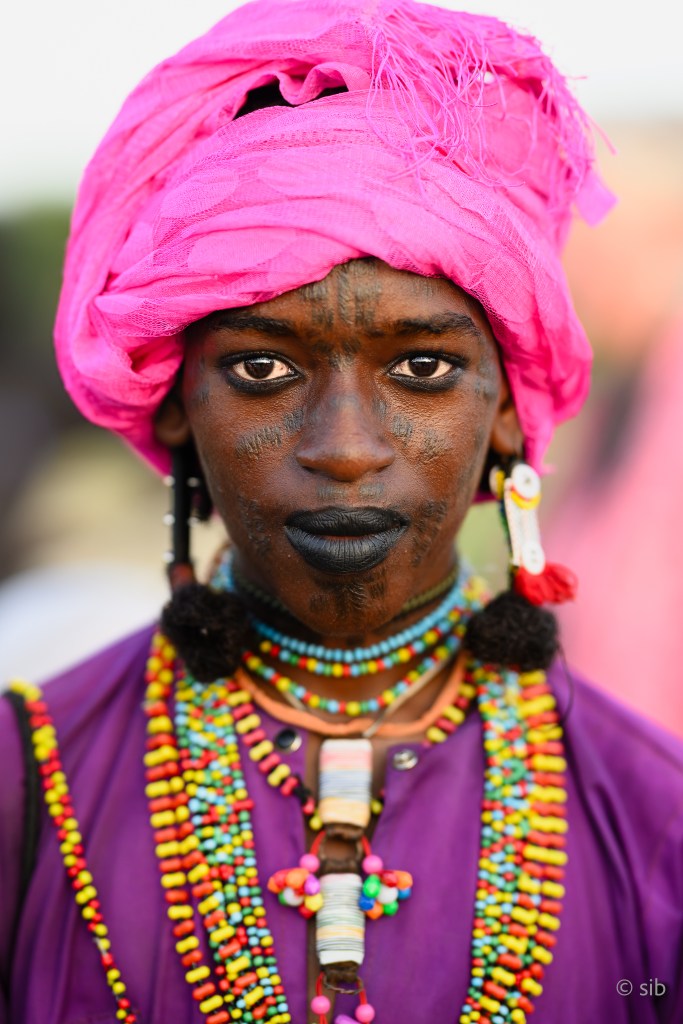
The name “Wodaabe” translates to “people of the taboo” in the Fula language, reflecting their isolation from broader Fula/Fulani culture and their adherence to what they believe are older, more traditional ways of life. The Wodaabe pride themselves on their pastoralist roots, which are often viewed with a mix of admiration and criticism by their urban Fula counterparts.
A key aspect of Wodaabe life is the large wooden bed known as the Suudu, which is the most important possession of each family. When camping, this bed is surrounded by small screens, and holds the calabashes that the women use as status symbols, often sparking rivalry among them. The Wodaabe diet consists mainly of milk, ground millet, yogurt, sweet tea, and occasional meat from goats or sheep.

Their code of behavior emphasizes reserve and modesty (semteende), patience and fortitude (munyal), care and forethought (hakkilo), and loyalty (amana). Beauty and charm are highly valued, and this is perhaps most evident during the Gerewol festival.
Getting There (not 1/2 the Fun)
The journey to the Gerewol festival was nothing short of an adventure. We began with a short hop from Los Angeles to Salt Lake City, followed by a 3-hour layover, and then a 10-hour flight to Paris. With less than two hours to connect in CDG, including a train ride, a bus ride, and navigating through disorganized yet painstaking immigration and security checkpoints, we barely made it onto our flight to N’Djamena, the capital of Chad. This flight was almost 7 hours long due to the need to fly far west to avoid Niger, with which France had recently broken off relations.
After a day of settling in and meeting our local guides, we set off to find the festival, deep in Chad’s Chari-Baguirmi region. However, the late rainy season and high water table presented several challenges. A couple of vehicles in our convoy got stuck in the mud for hours, and we were nearly caught by a rising river. We had to rough camp in a meadow about 75% of the way to the festival location. Finally, on the next day, we made it to our destination late in the morning.
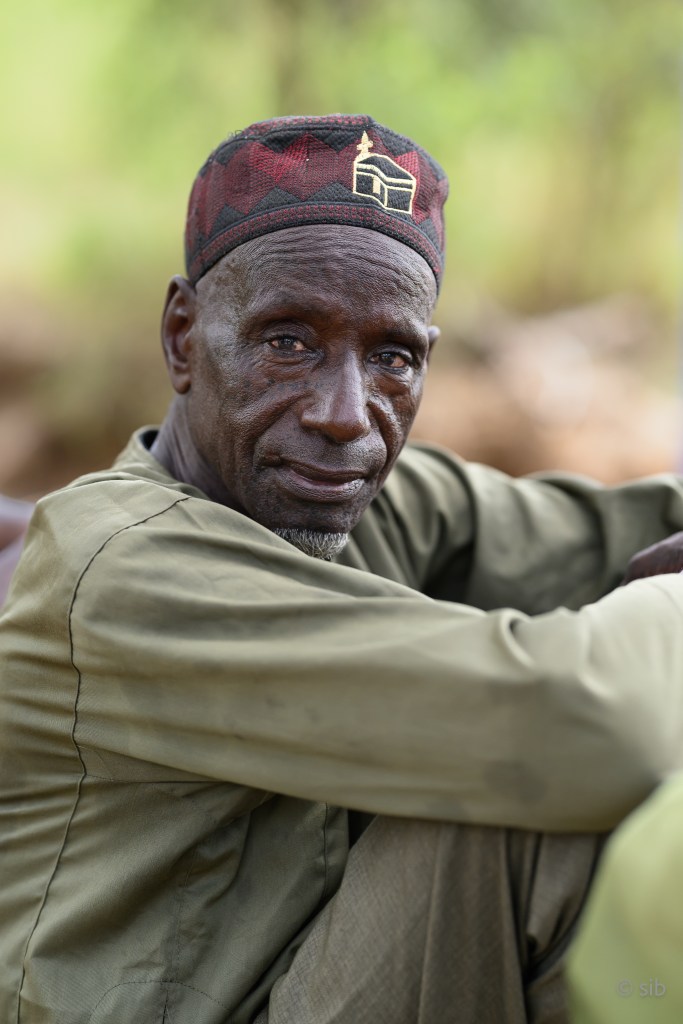
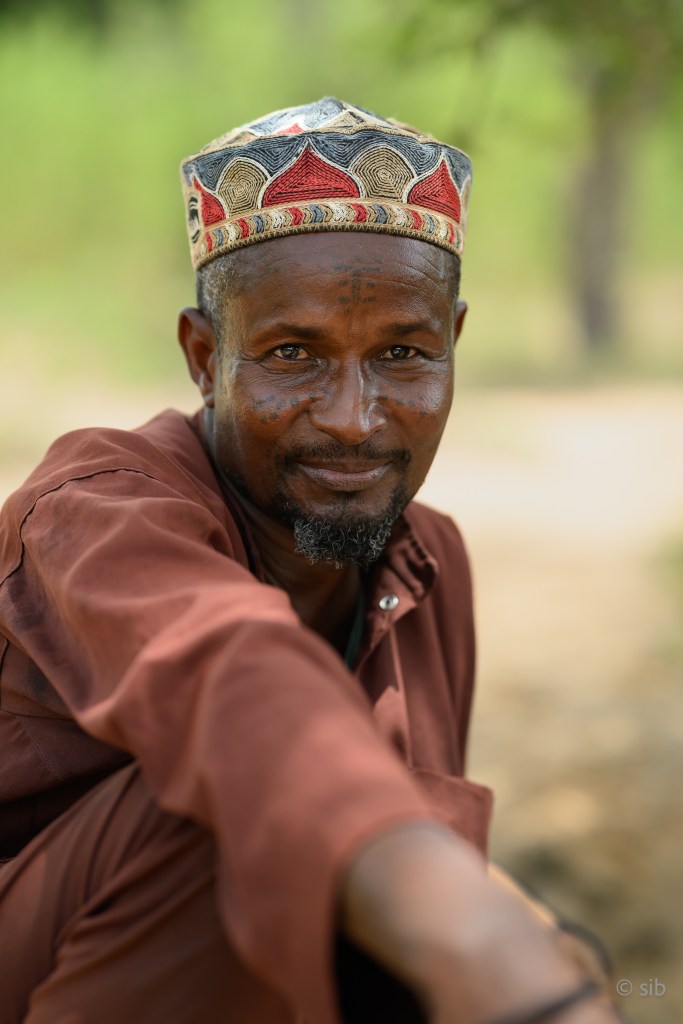
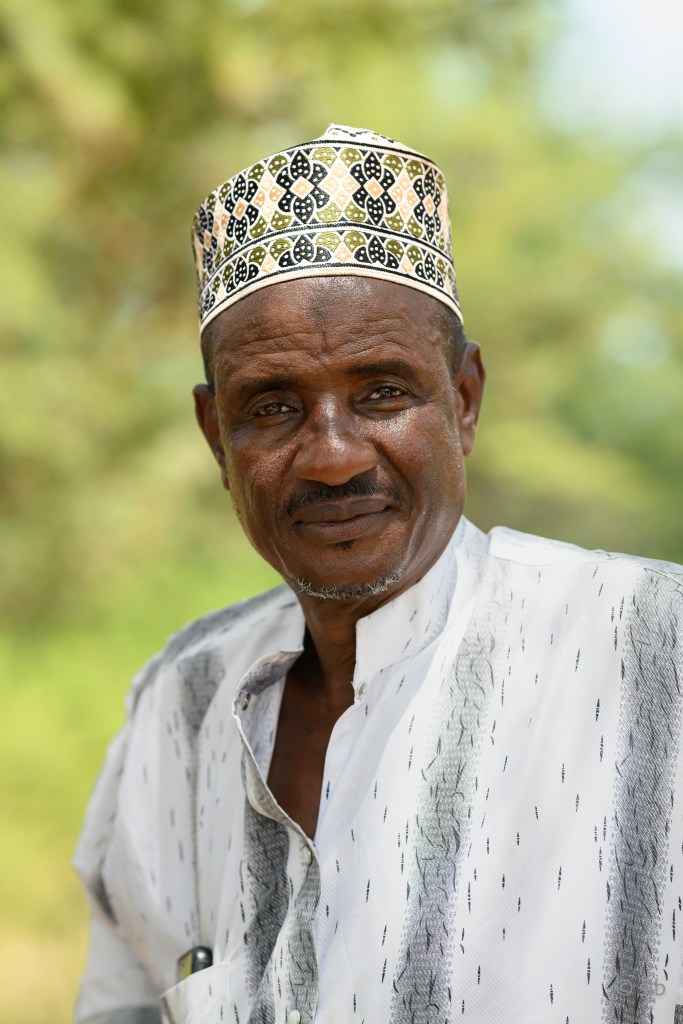
We were warmly welcomed by the head man and elders of the Djapto Shibo sect of the Wodaabe, who were pleased to have us as the only outsiders at the festival. This warm reception set the tone for an incredible and immersive experience.
The Gerewol Festival
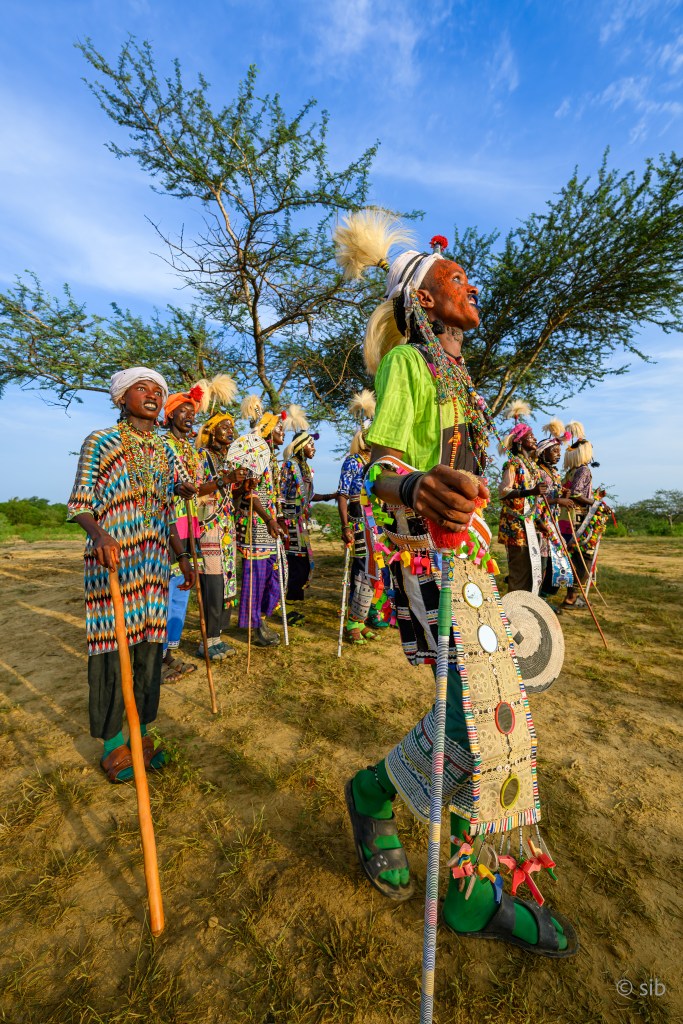
The Gerewol festival is a week-long celebration that takes place at the end of the rainy season, typically in late September or early October. It is a time when Wodaabe clans gather in traditional locations before their migration to dry season pasture areas. The festival is a spectacle of color, music, and dance, where young Wodaabe men adorn themselves with elaborate makeup, feathers, and other adornments to perform the Yaake dances and songs.
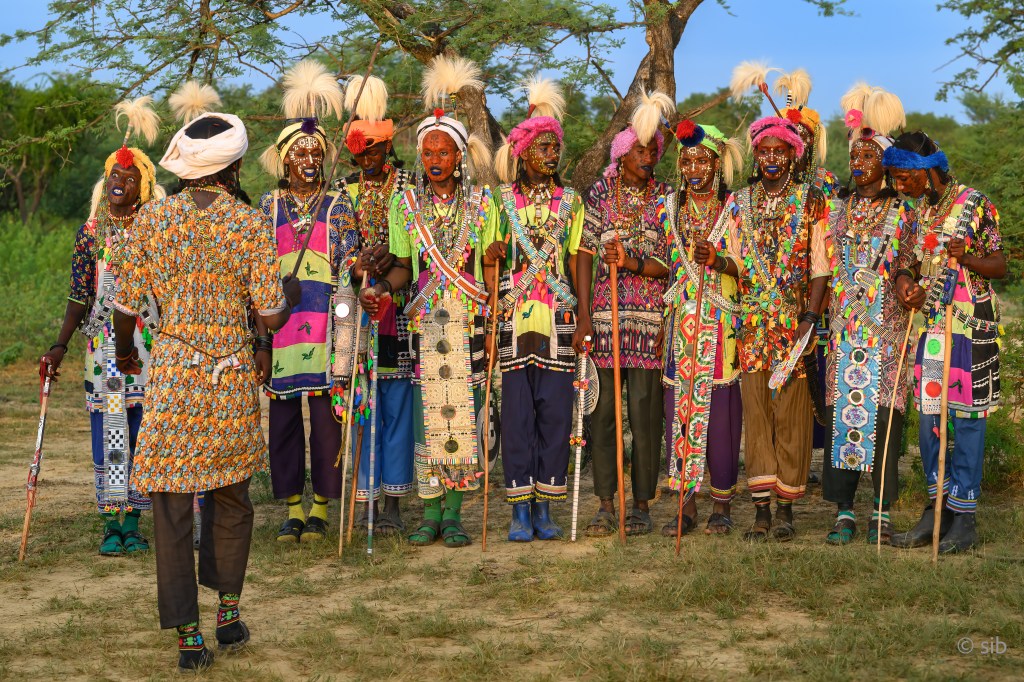
The male beauty ideal of the Wodaabe is unique and striking. Tallness, white eyes, and strong white teeth are highly prized, and the men go to great lengths to emphasize these features. They roll their eyes and show their teeth in expressive dance moves that are both captivating and (to outsider eyes) humorous.
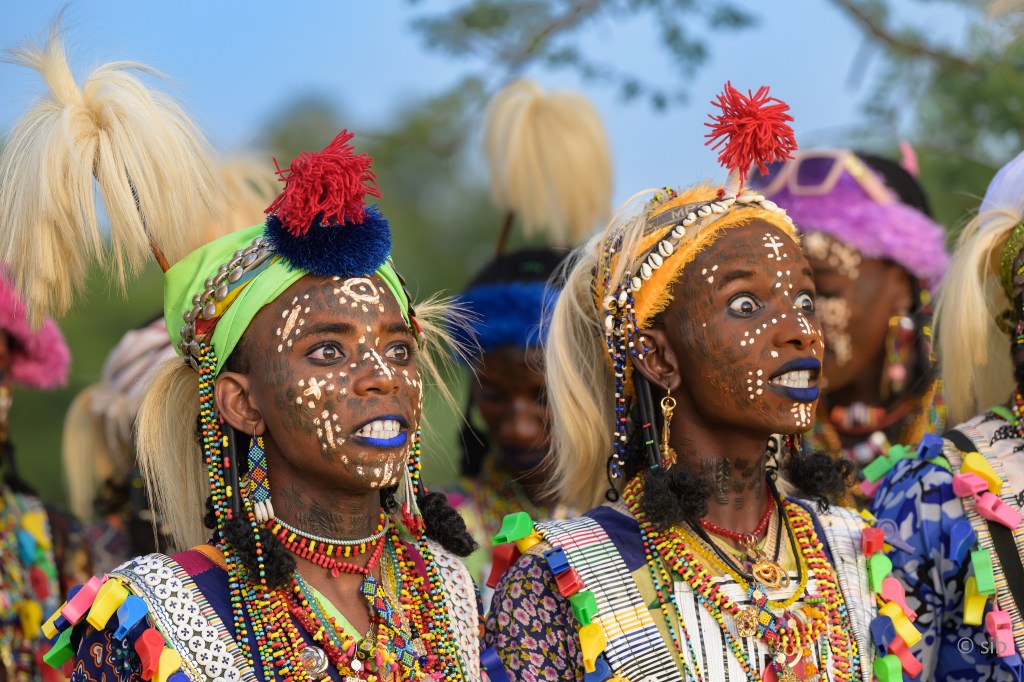
The days and nights were filled with the excitement and exhaustion of the dancing and singing, which seemed to go on almost around the clock. The only pauses were during the hottest hours of the afternoon, when the tribe members visited friends they hadn’t seen since the previous year, changed their outfits, and got decorated for the next dance sessions.
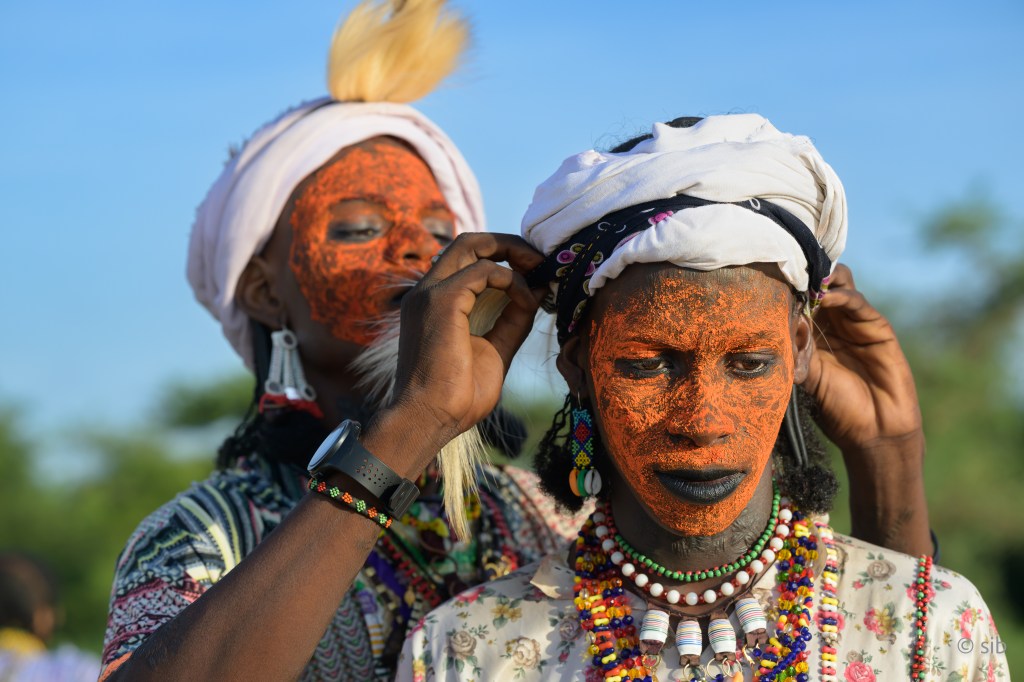
Watching the young men help each other dress, accessorize, and ensure they looked their best was a heartwarming glimpse into the collaborative lifestyle of this nomadic tribe. The festival is not just a beauty contest but also a significant social gathering where scattered groups of Wodaabe meet to exchange news, strengthen bonds, and find partners.
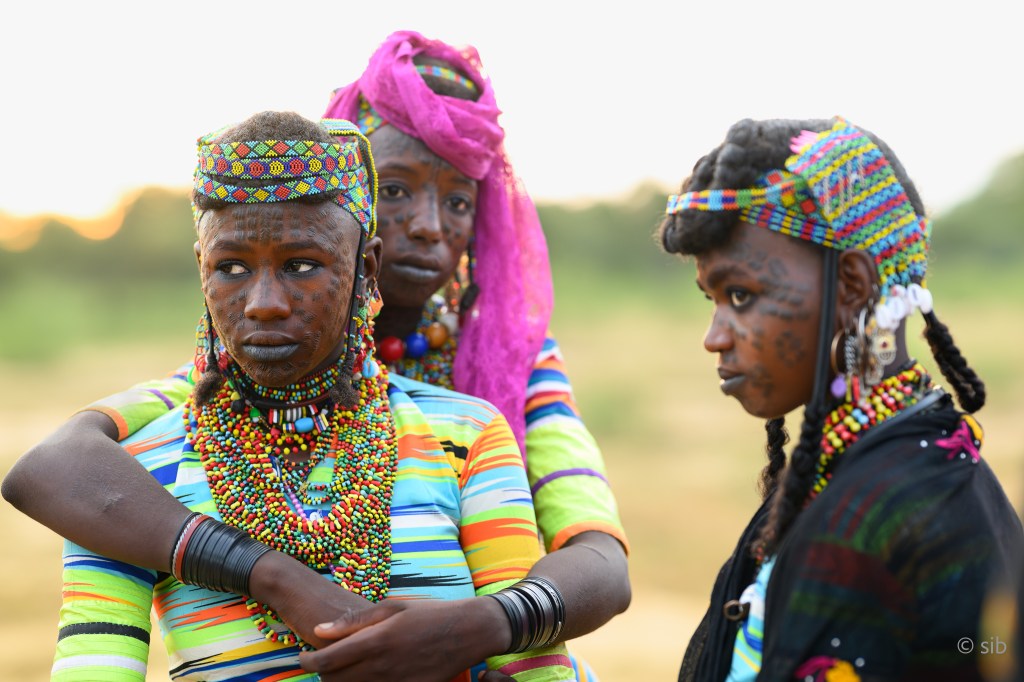
During the festival, eligible young women, selected by the tribal elders, would approach the dancers and signify their choice by touching the heart of the man they preferred. This gesture could signify either a desire for marriage or a more brief relationship, reflecting the Wodaabe’s polygamous traditions.
Interacting with the Wodaabe
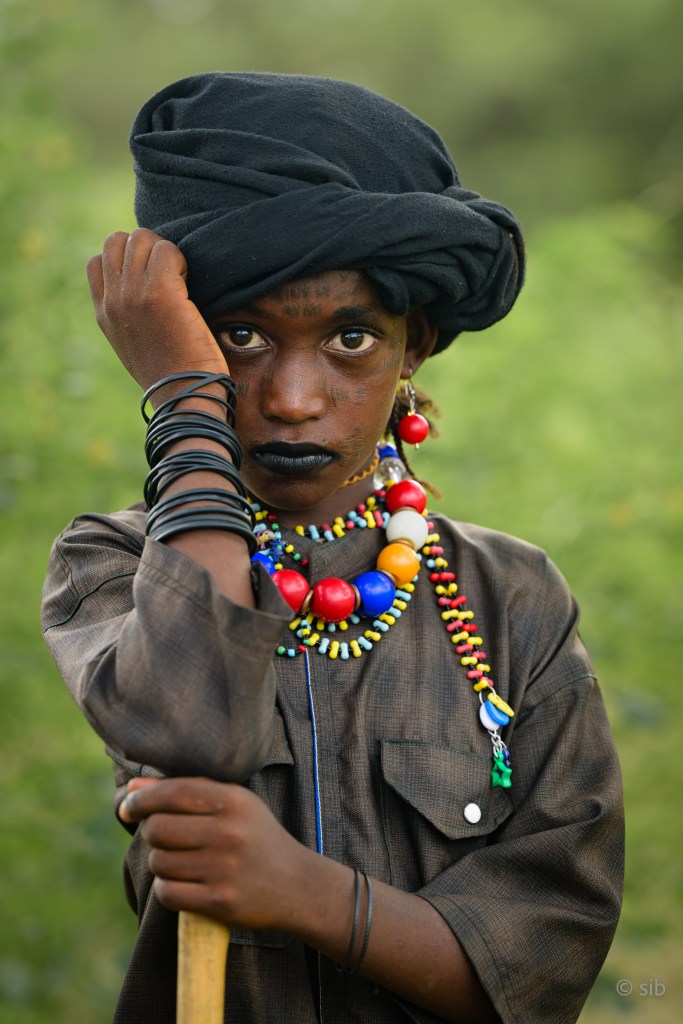
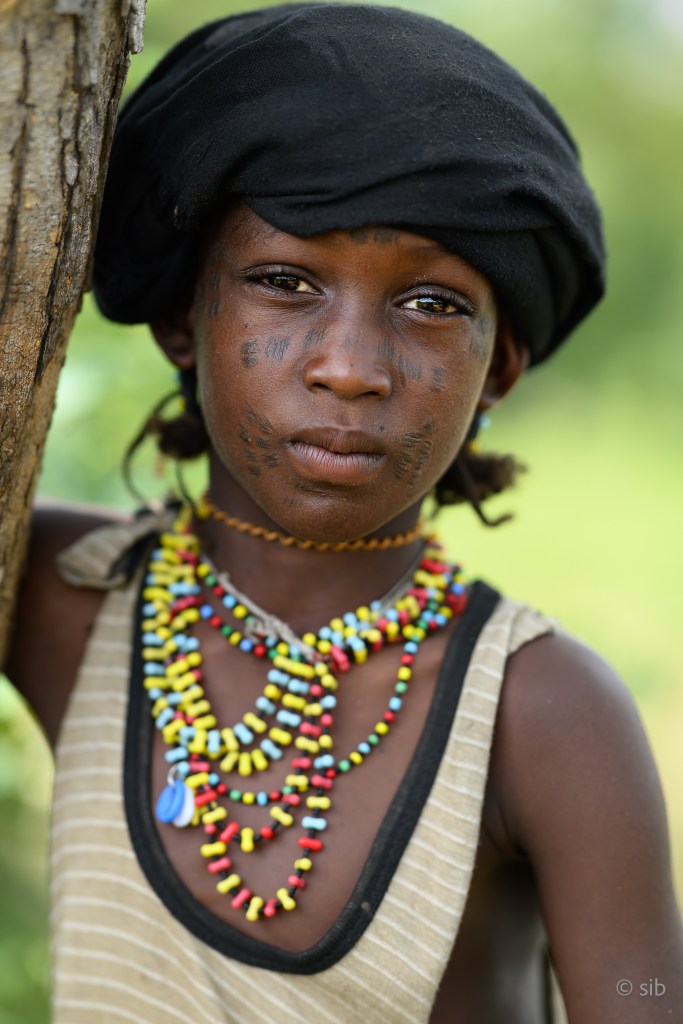
One of the most rewarding aspects of our visit was the willingness of the Wodaabe to engage with us. Despite sometimes being looked down upon by the sedentary Fulani and the rest of Chadian/Sahelian society, the Wodaabe appreciated our presence and interest in their rituals. Many young people volunteered to have their pictures taken, and their enthusiasm was obvious – even though some were shy at the same time as they sat for photos.
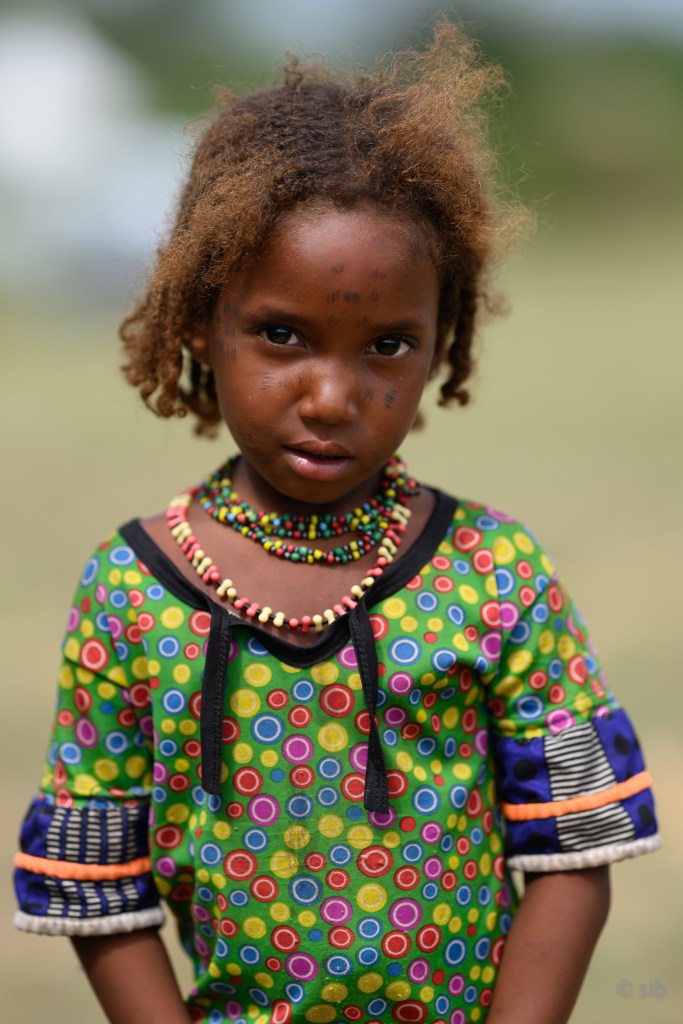
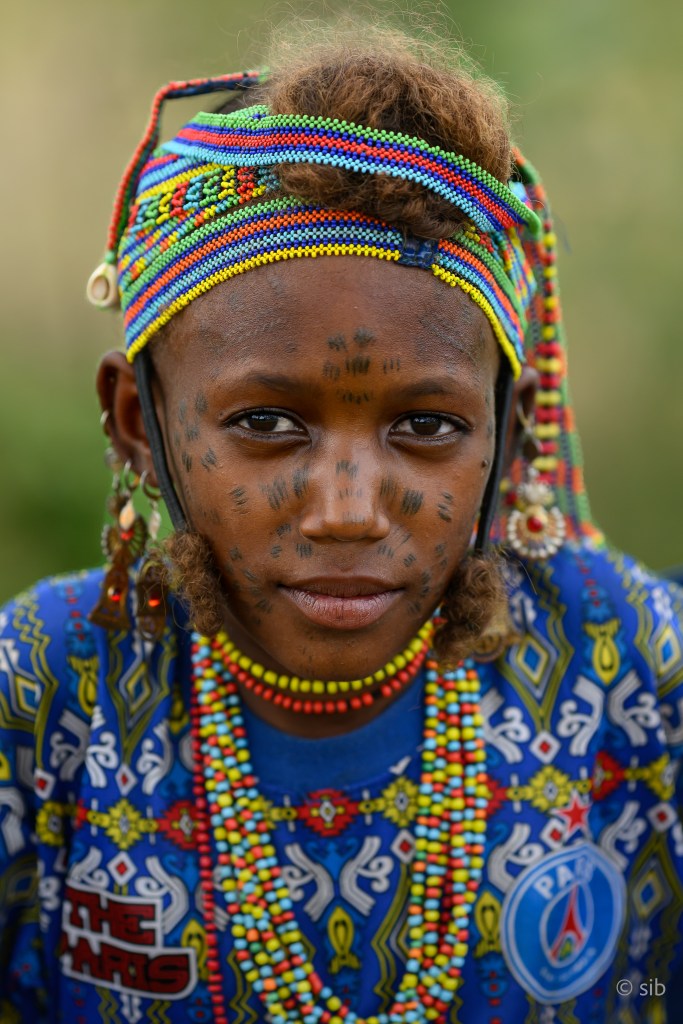

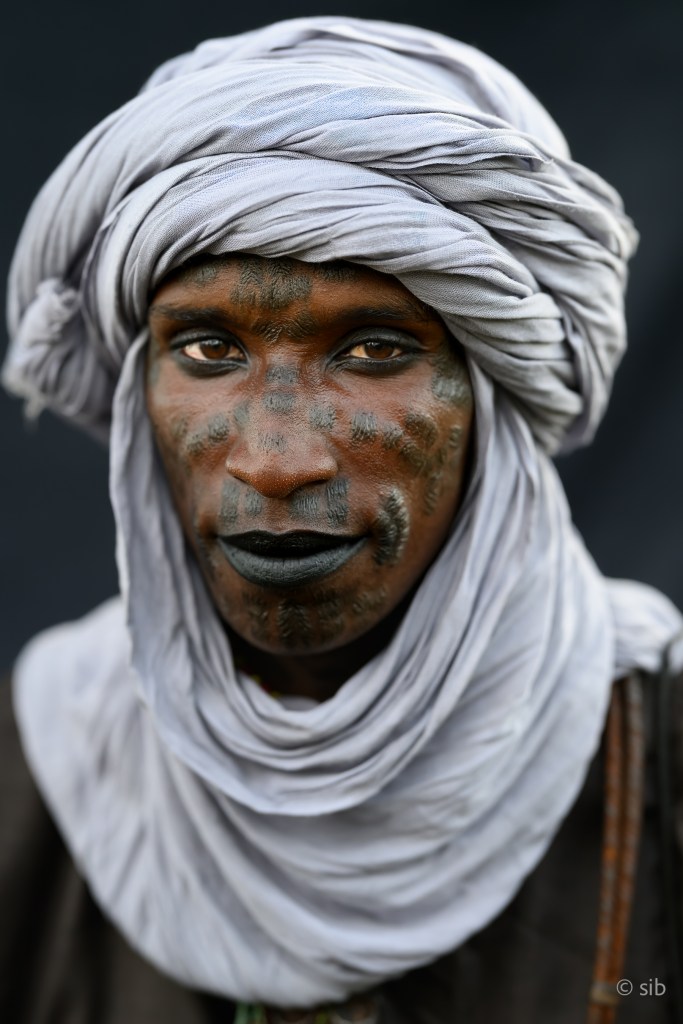

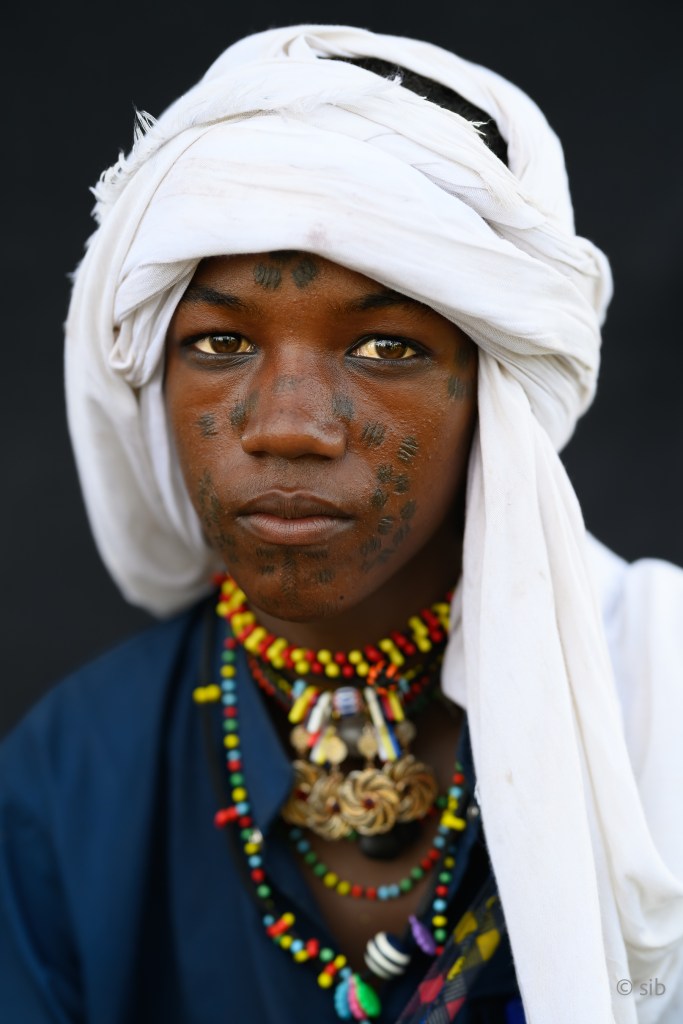
Occasionally, other local groups would wander through the area, observe us taking pictures, and stop to watch. It was clear that the fact that “outsiders” found their rituals impressive and worth traveling for meant a lot to them – and raised their perception by the other locals.
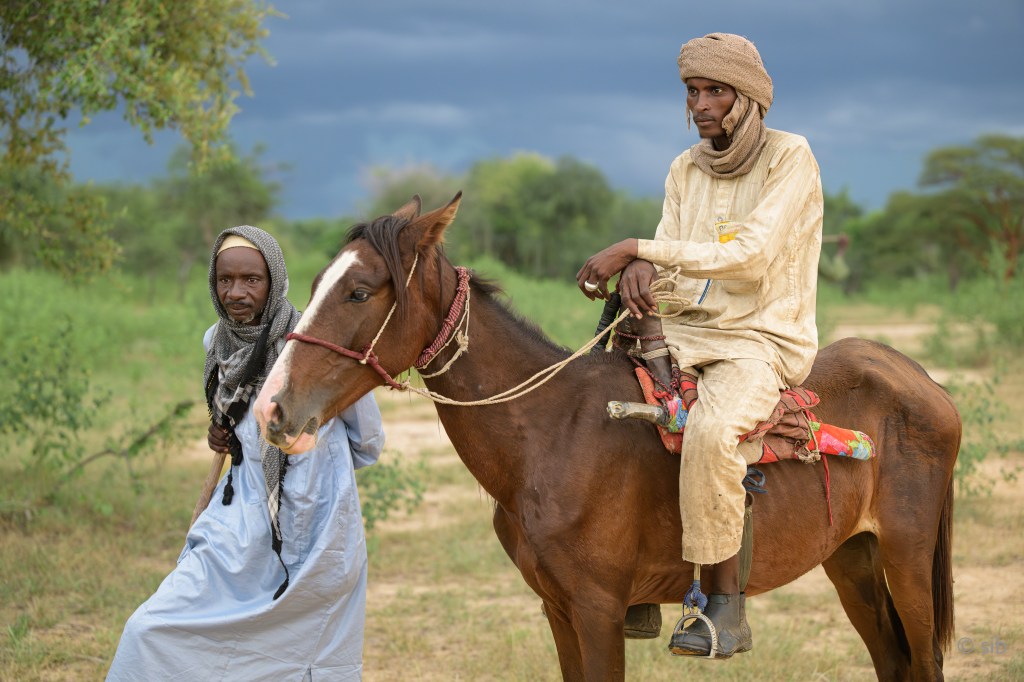
Back to N’Djamena
Leaving the Gerewol festival was even more challenging then arriving. The direct route back to N’Djamena was less than 120 kilometers, but the late rainy season and a supercell thunderstorm forced us to divert far out of the way to find a way across a river that had changed course. We drove southwest and around to get to Dourbali – about 40 kilometers to the north – and our gateway back to the main road, one of the two [mostly, sort of] paved roads in Chad outside the capital.
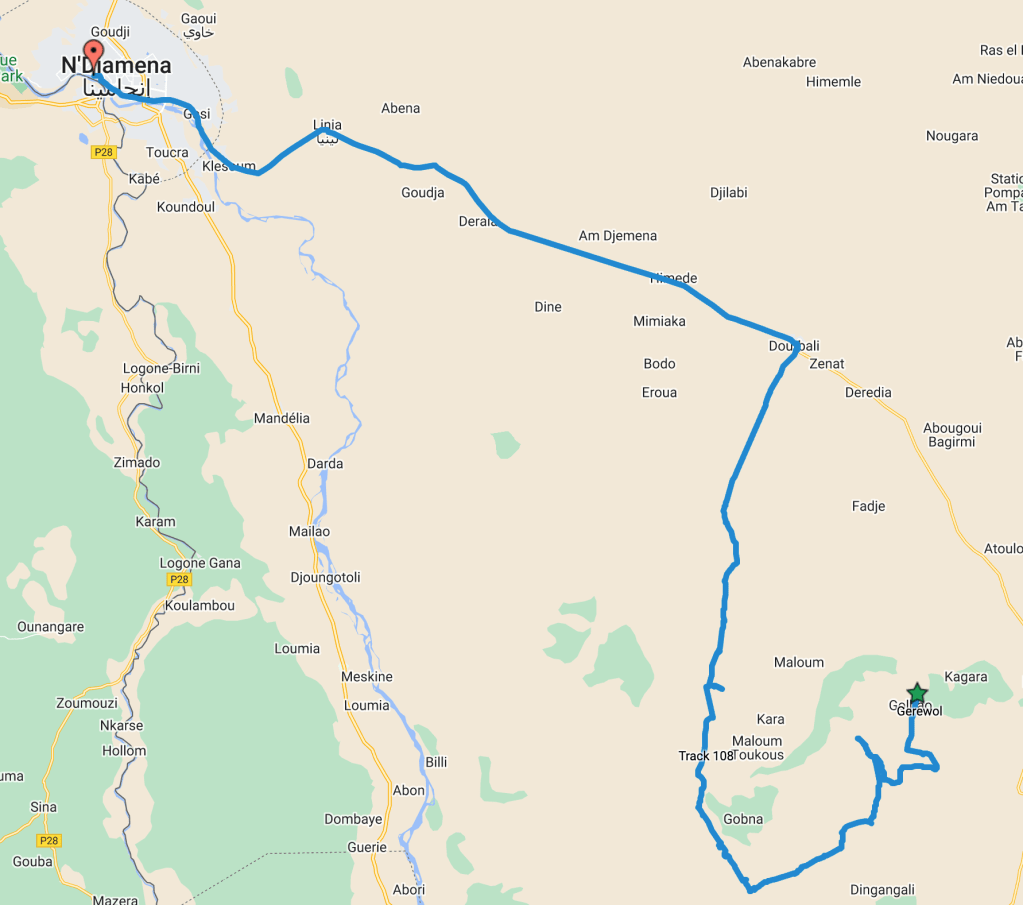
The journey back took 2.5 days, with each of the first two days covering only about 40 kilometers in 14 hours of travel. The Land Cruisers in our group got stuck in the mud more than 40 times over the two days, sometimes taking 2-3 hours to dig out. Despite the exhaustion, stress, and discomfort, the experience was incredible and unforgettable.
Closing Thoughts
The Gerewol festival is more than just a cultural event; it is a celebration of life, beauty, and tradition. It is a testament to the resilience and charm of the Wodaabe people, who make their way in one of the most remote and challenging regions of the world.
Our journey to the Gerewol was a journey into the heart of Africa, where we found not just stunning visuals but also a deep sense of community and tradition. If you ever have the chance to experience this festival, it is an adventure you will never forget.
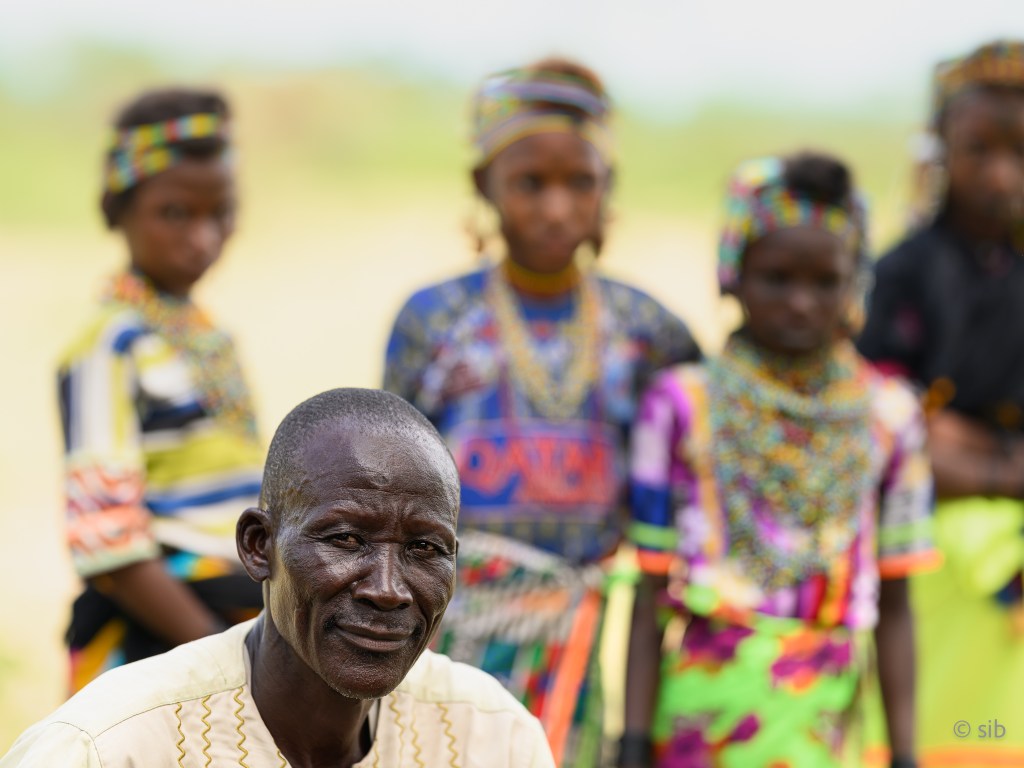
We could not have made the trip without the local team who drove the trucks through the wilderness, set camp, prepared food, and facilitated our interactions with the Wodaabe. Chief among them was Edward, who’s kind, friendly, and famous among locals for his feats of strength: he can singlehandedly lift a 200-liter water barrel to the roof of a Land Cruiser and was barred from martial arts competition after he nearly killed a combatant with a single punch.
As we reflect on our time with the Wodaabe, we are reminded that travel, at its most meaningful, isn’t just about seeing new places; it’s about connecting with the cultures that breathe life into those places. The Gerewol festival is a vibrant example of this, and we feel privileged to have been a part of it, even if only for a few days.

 Fernweh
Leave a comment