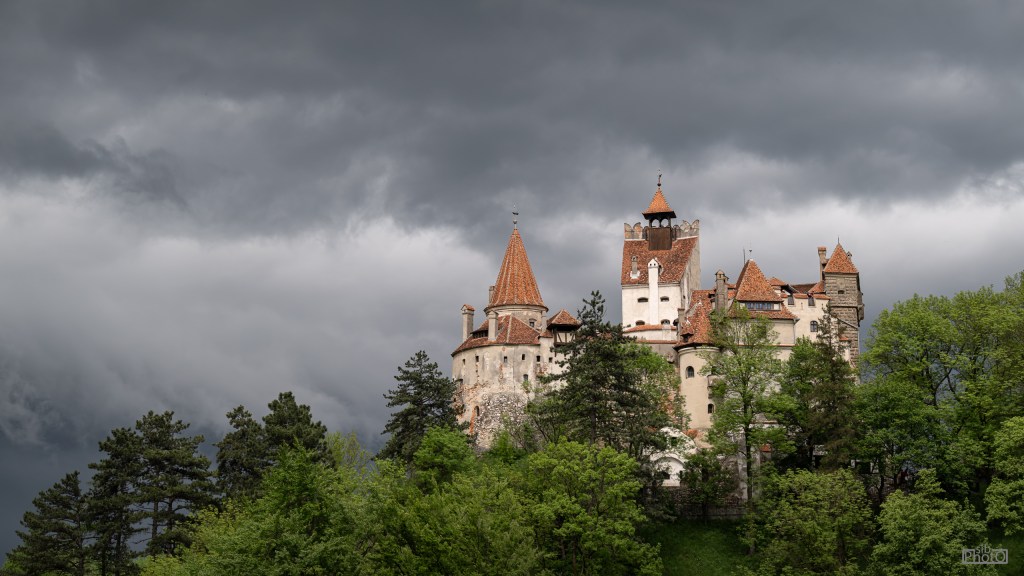
Across ten fascinating and unexpected days in May, our guide, Daniel Rosca took us through Romania for a tour themed by the physical materials that built it: hand-hewn oak in the northern valleys, fortified Saxon limestone, and river water diverted into timber mills. And, of course, a stop at “Dracula’s Castle.”
Moving from high-pasture sheepfolds near the Ukrainian border through Apuseni karst ridges and Carpathian forest hides to Bucharest, this post and series of images documents a working landscape where pastoral routines, pre-industrial trades, and defensive architecture still dictate the terms of daily life.
1. Cluj-Napoca & Departing Urban Transylvania
After some typical flight delays and reschedulings, we arrived in Cluj-Napoca, the second-largest city in Romania and unofficial capital of Transylvanis.
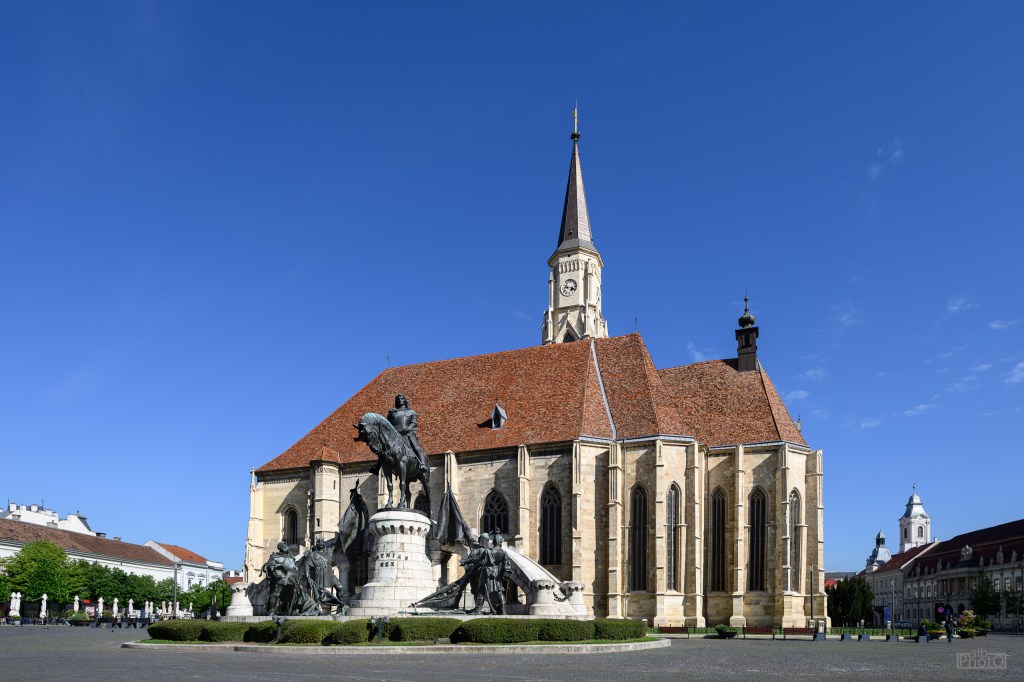
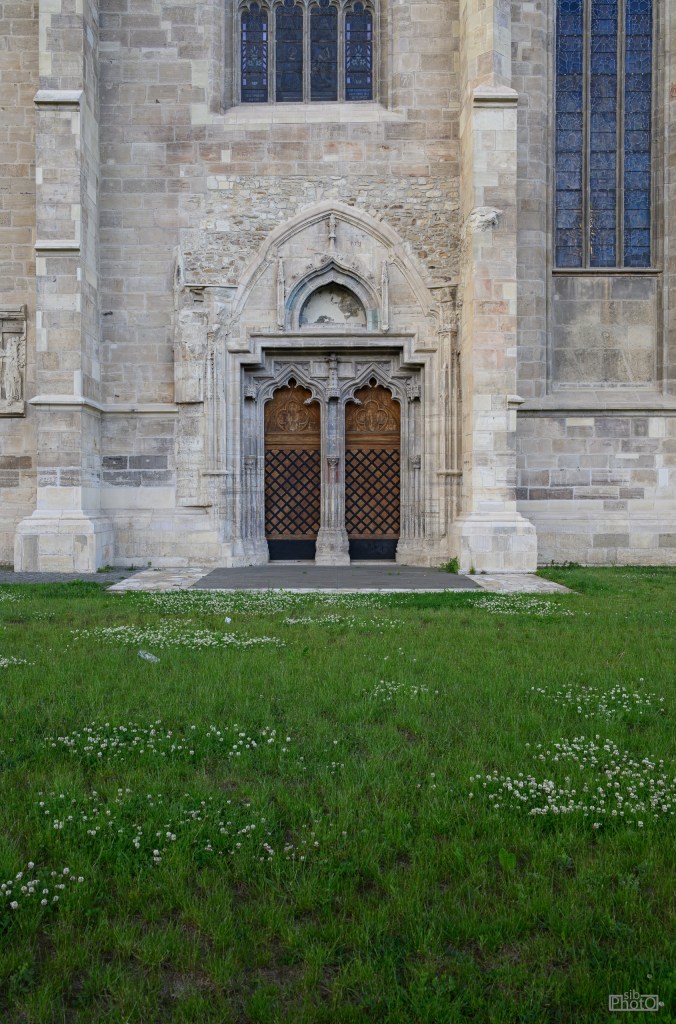
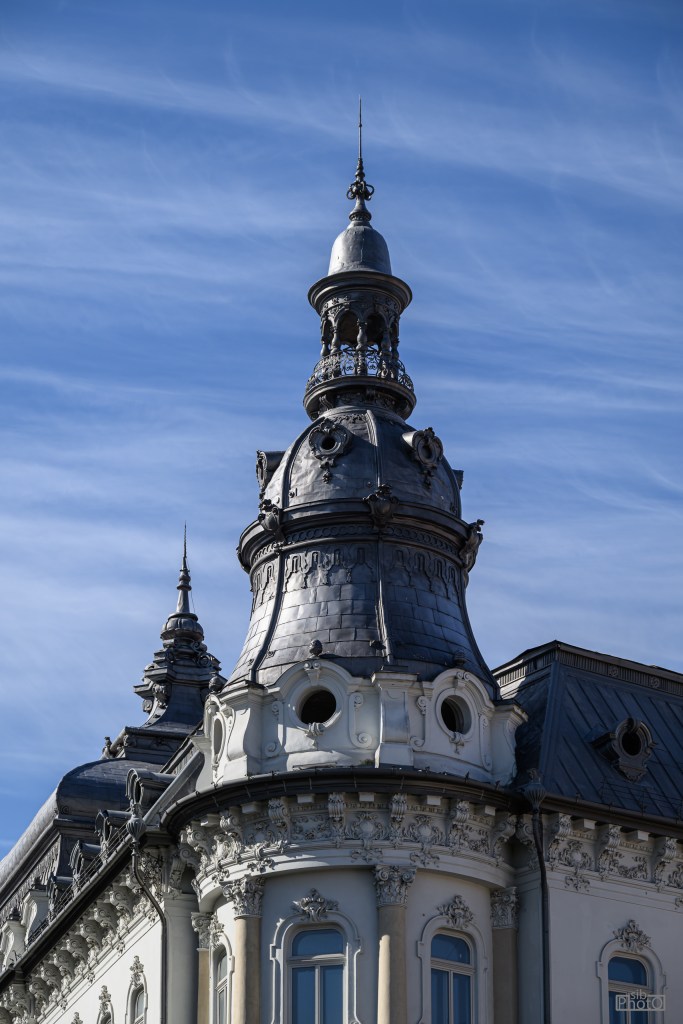
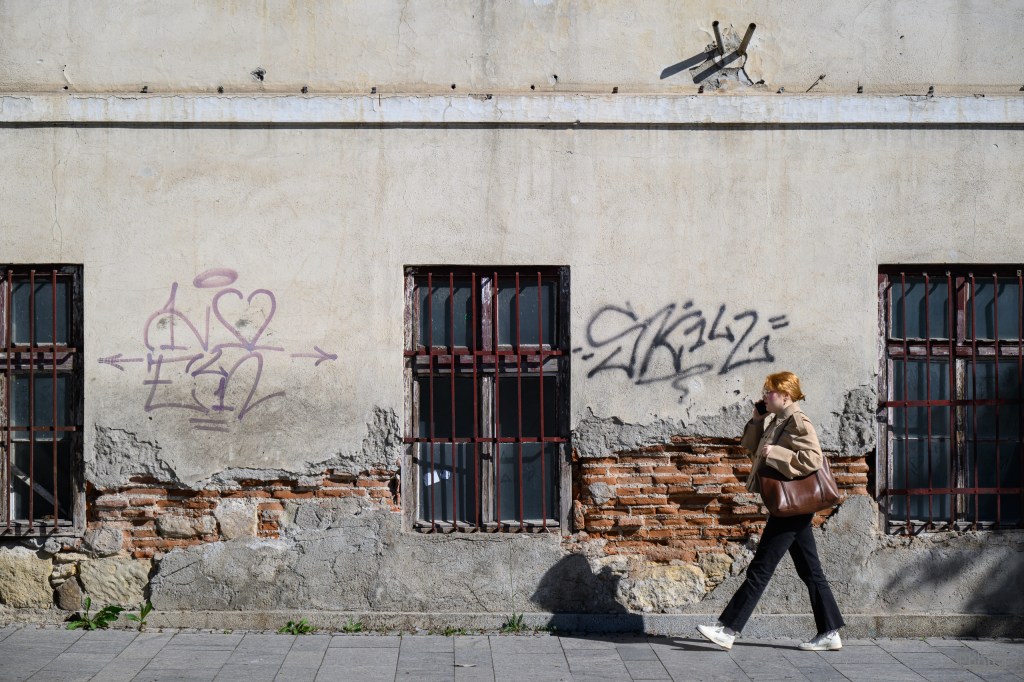
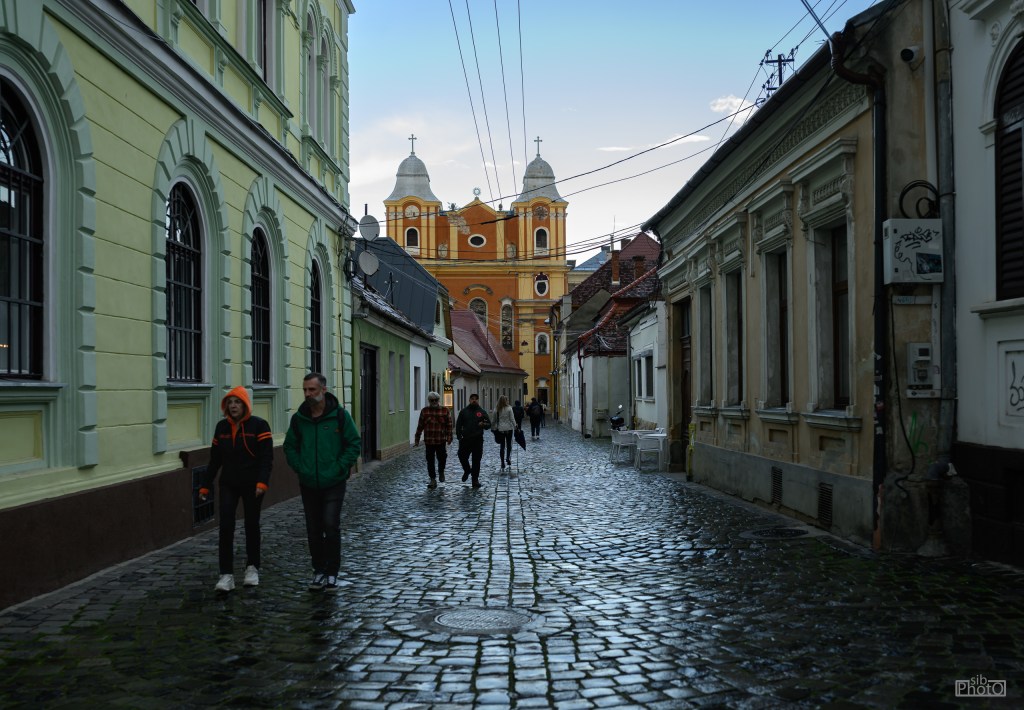
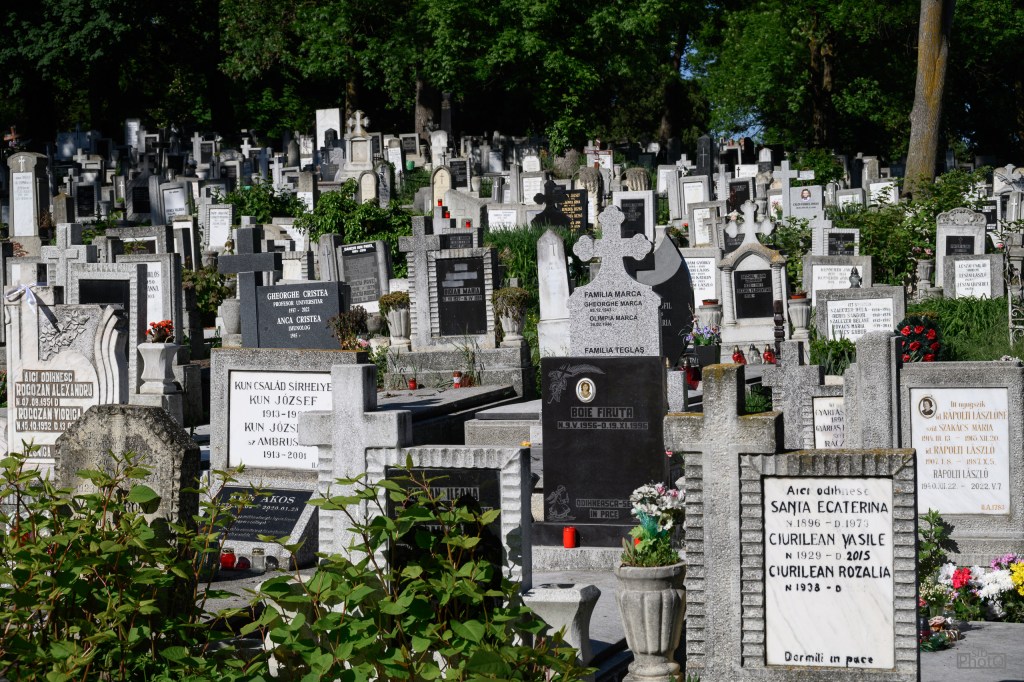
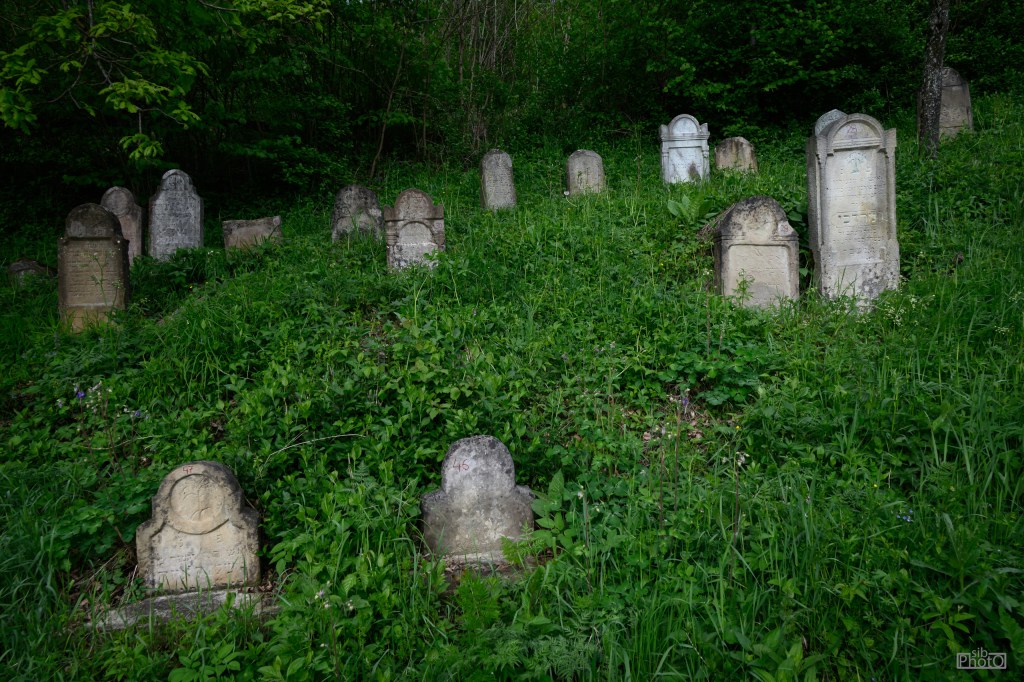
Cluj-Napoca opens our tour with heavy masonry and urban feeling. In Piața Unirii, the fourteenth-century limestone mass of St. Michael’s sits across from the Austro-Hungarian facade of the Twin Palaces, where nineteenth-century zinc dormers cut into the skyline. Off the main square, the streets narrow quickly. Along Strada Inocențiu Micu Klein, rounded river cobblestones slope toward the Bob Church, bordered by peeling lime plaster and patched brickwork. On the southern slope of the city, Hajongard Cemetery documents the municipal shift: four centuries of Hungarian and Romanian epitaphs cut into sandstone tablets, with moss working into the dates. Leaving the city northward toward Maramureș trades urban stone for timber.
2. Crossing into Maramureș: Pastoral Traditions, Spire Joinery & Breb (May 13)
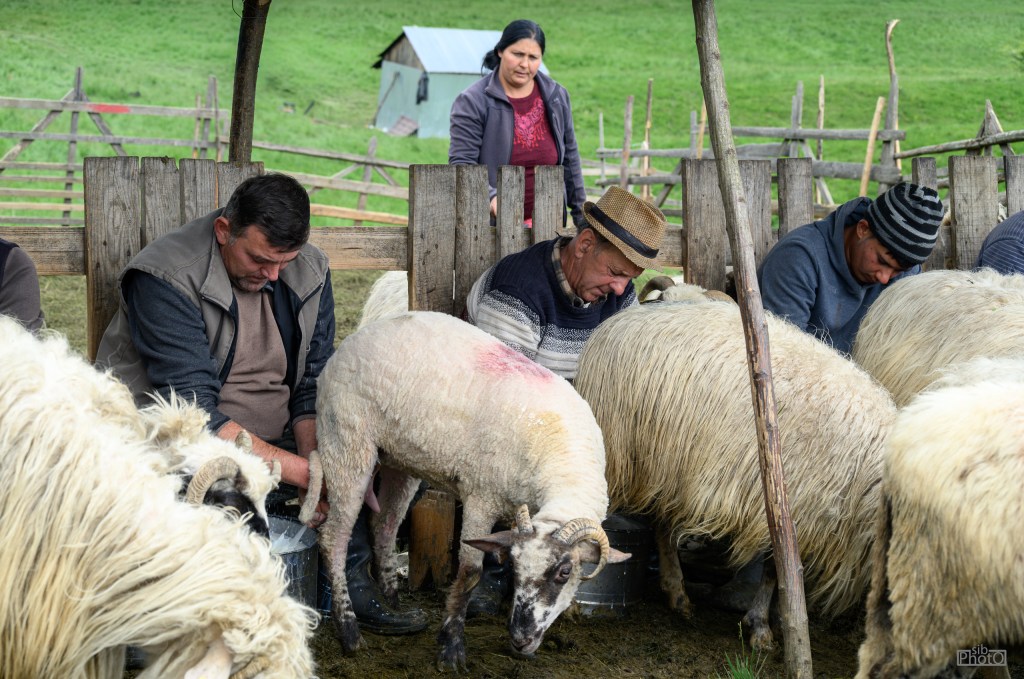
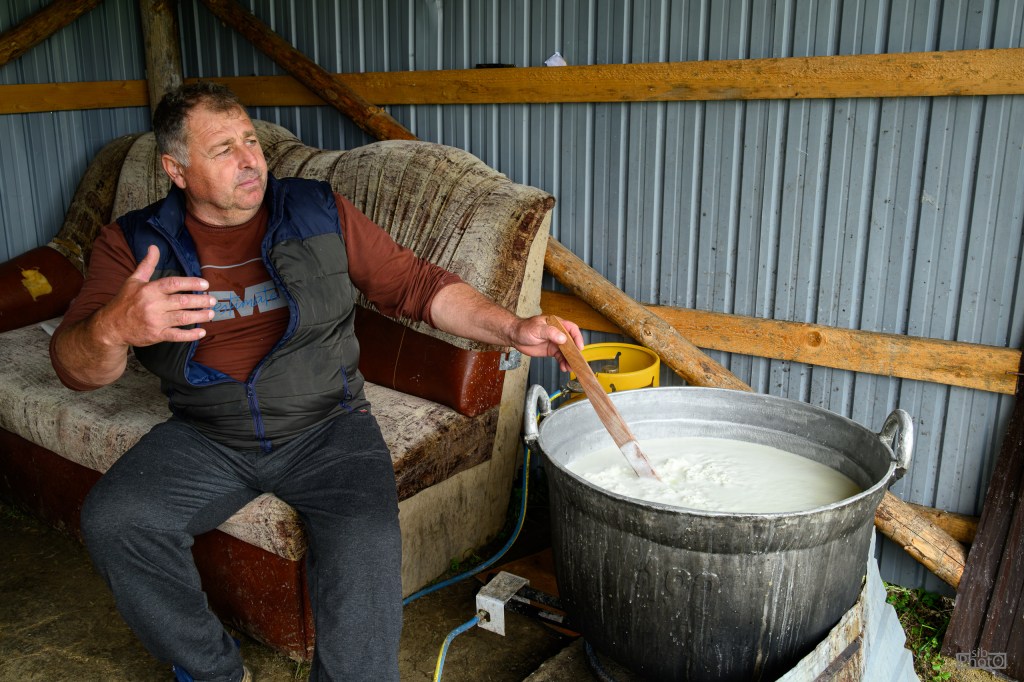
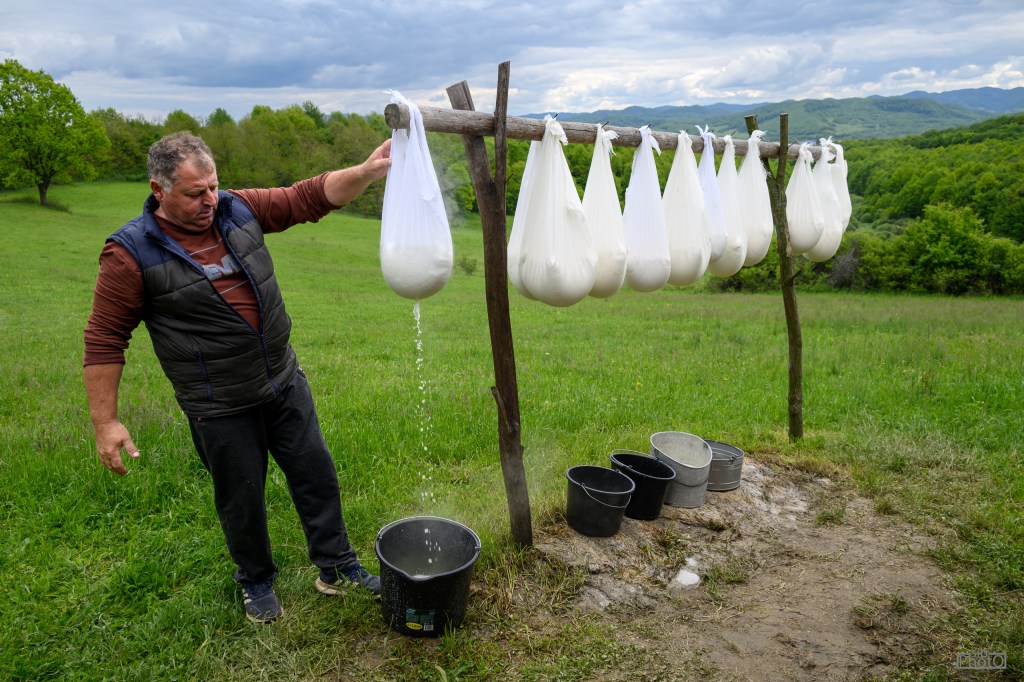
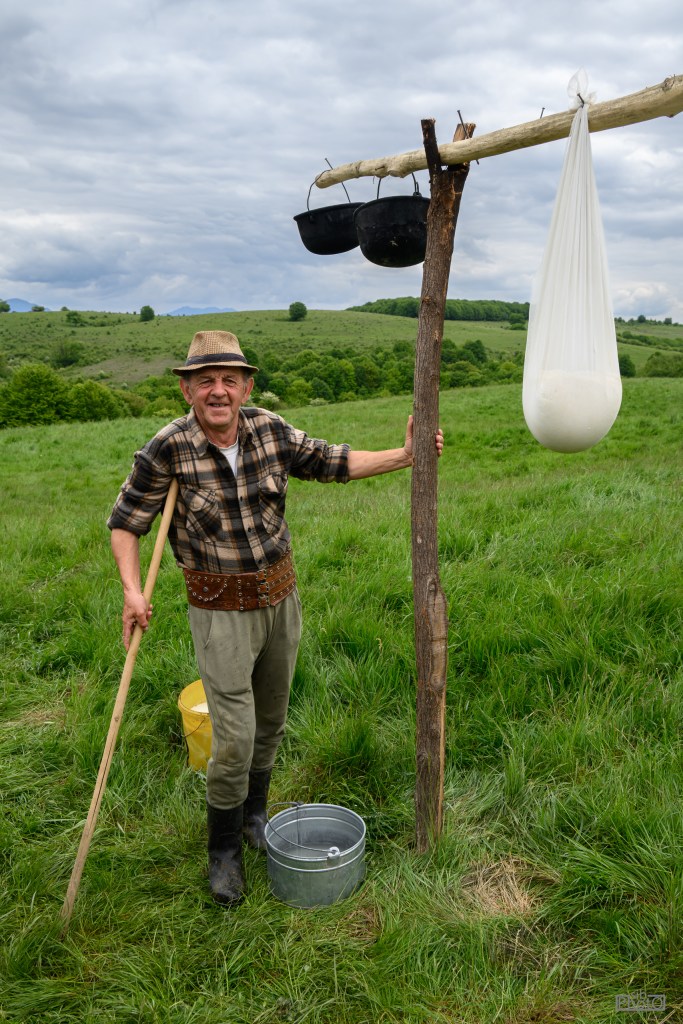
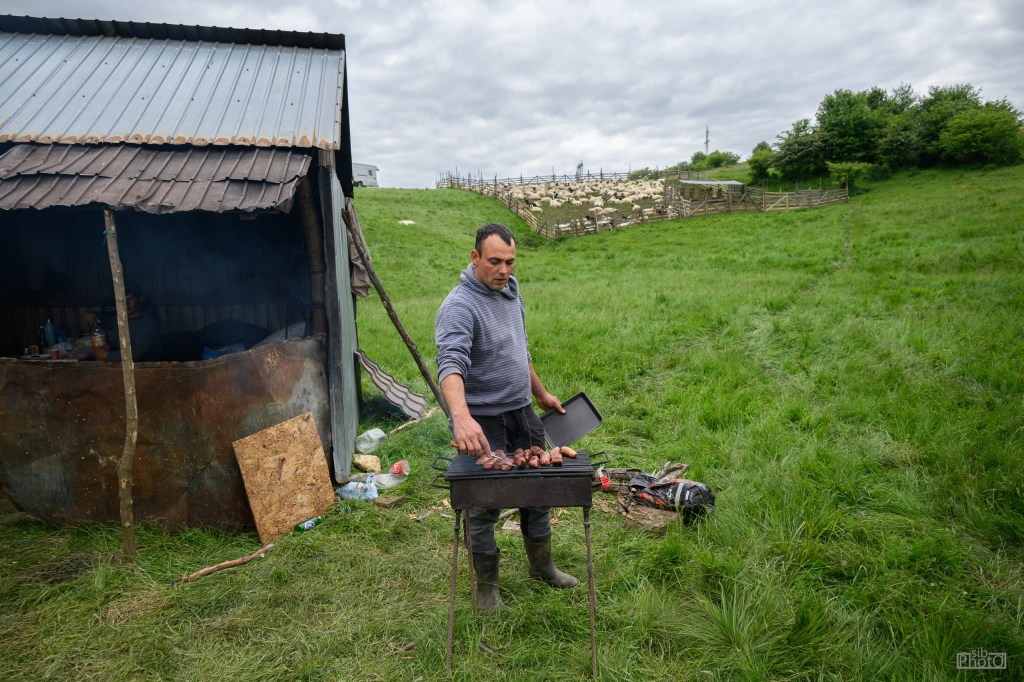
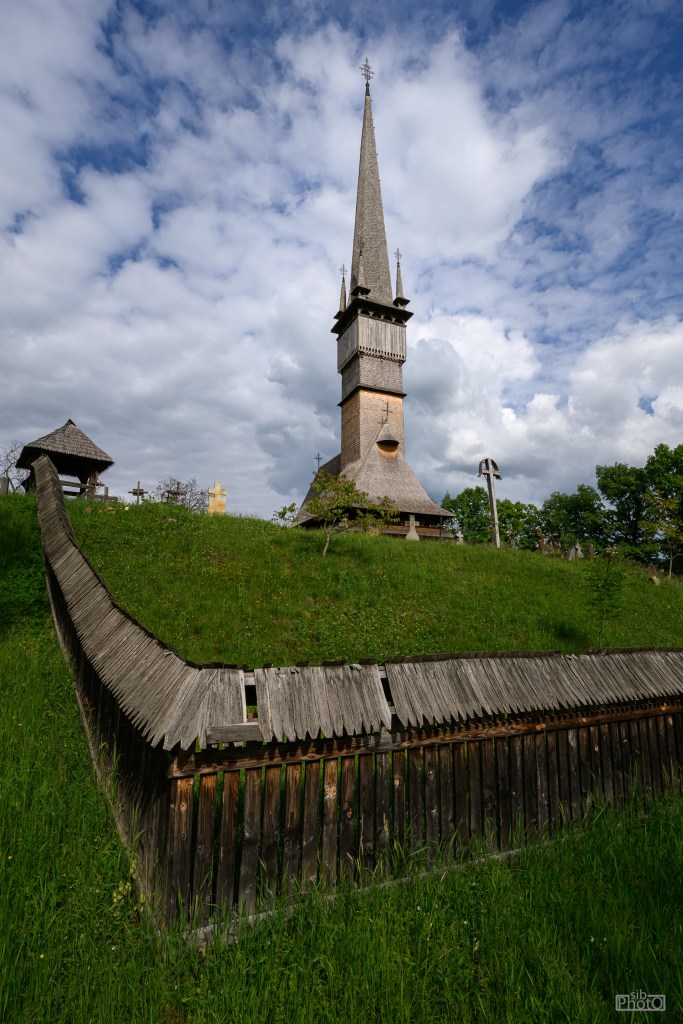
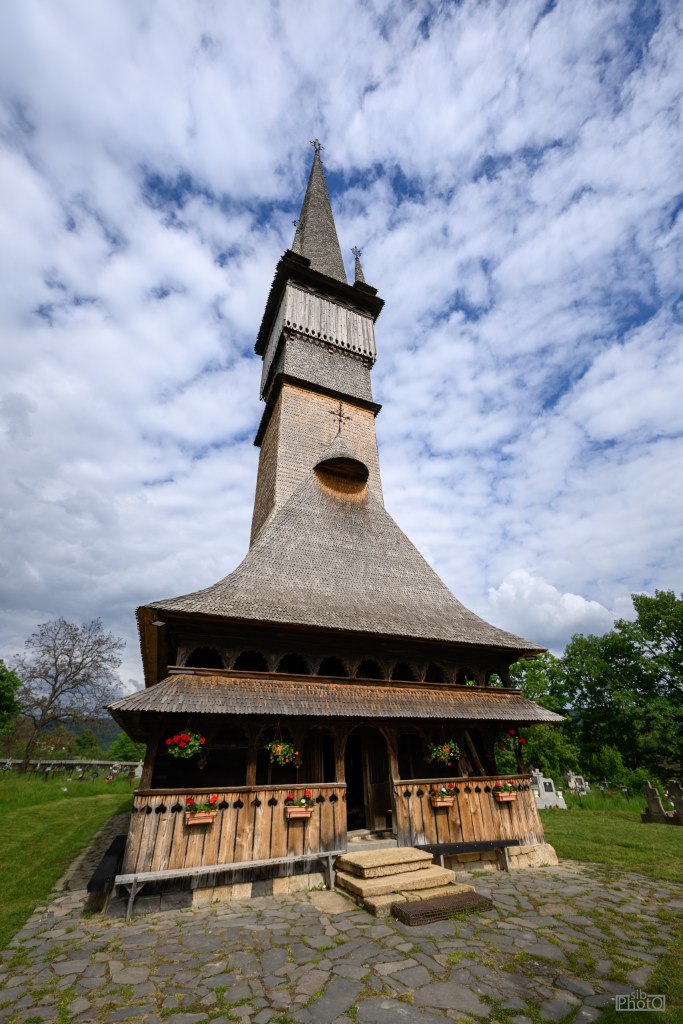
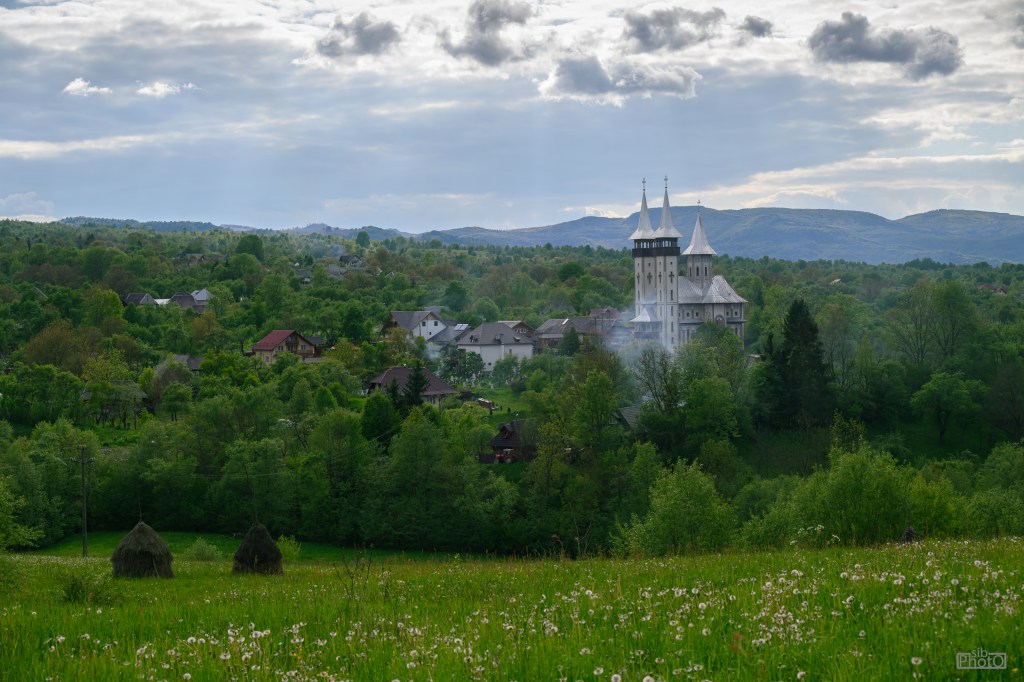
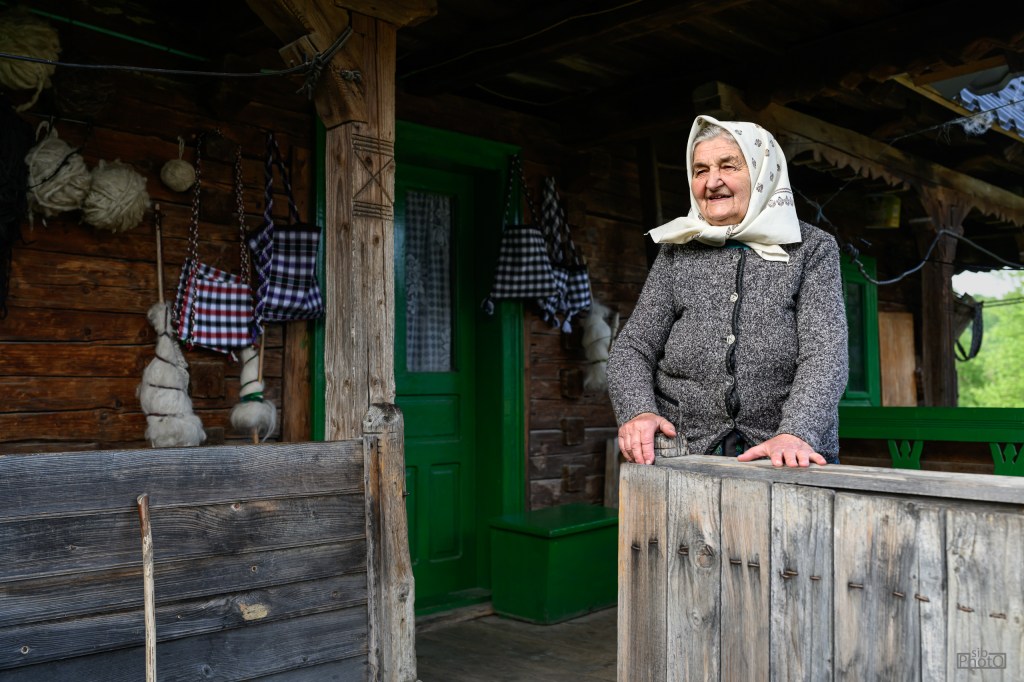
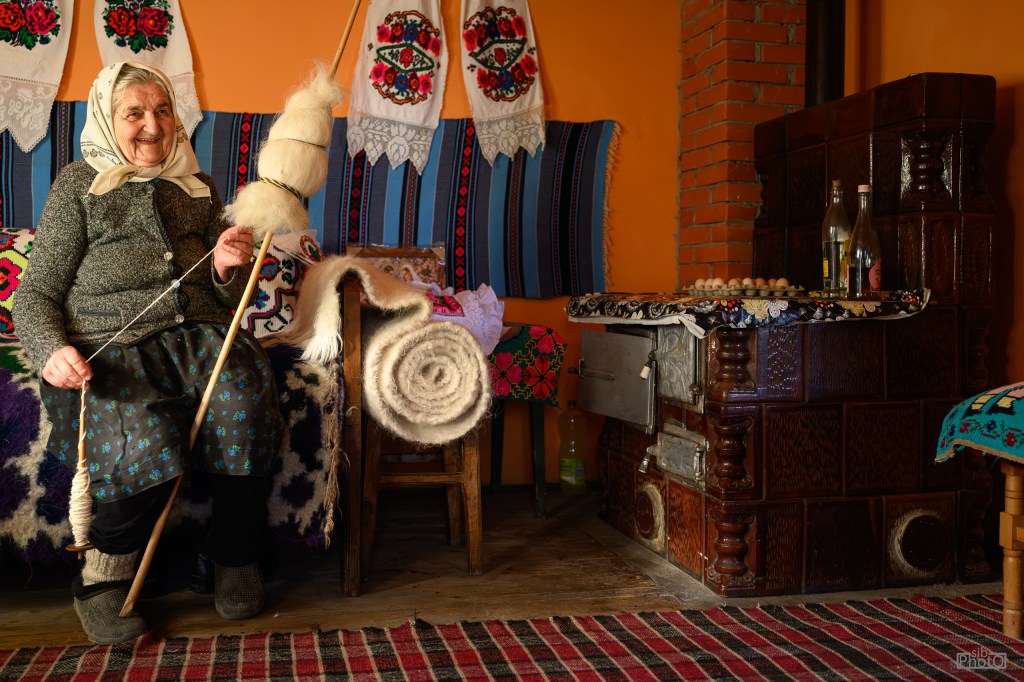
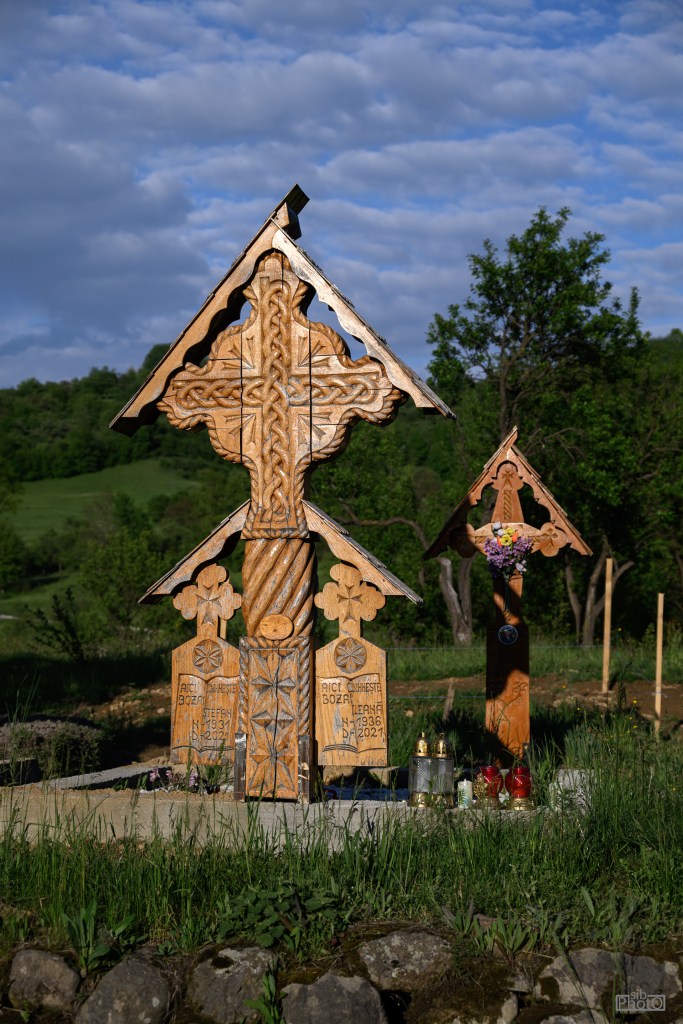
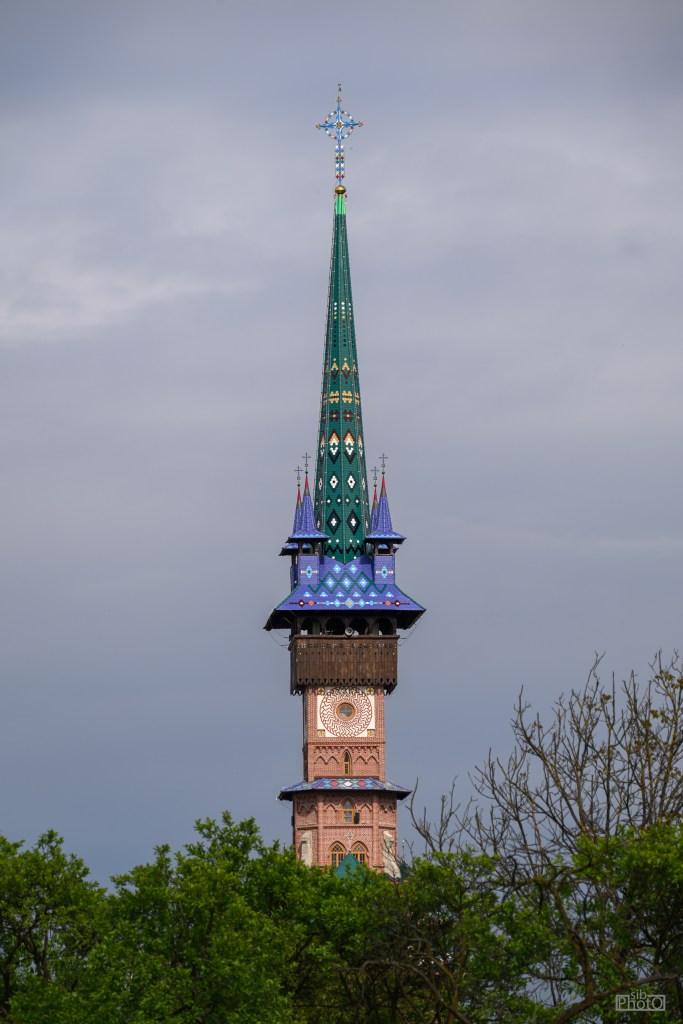
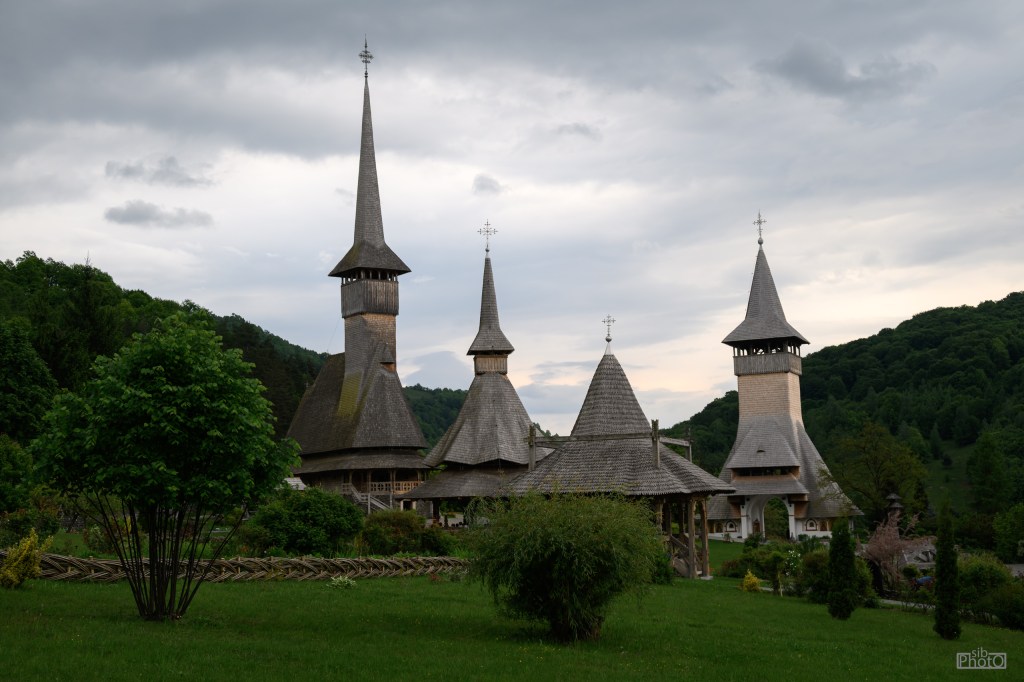
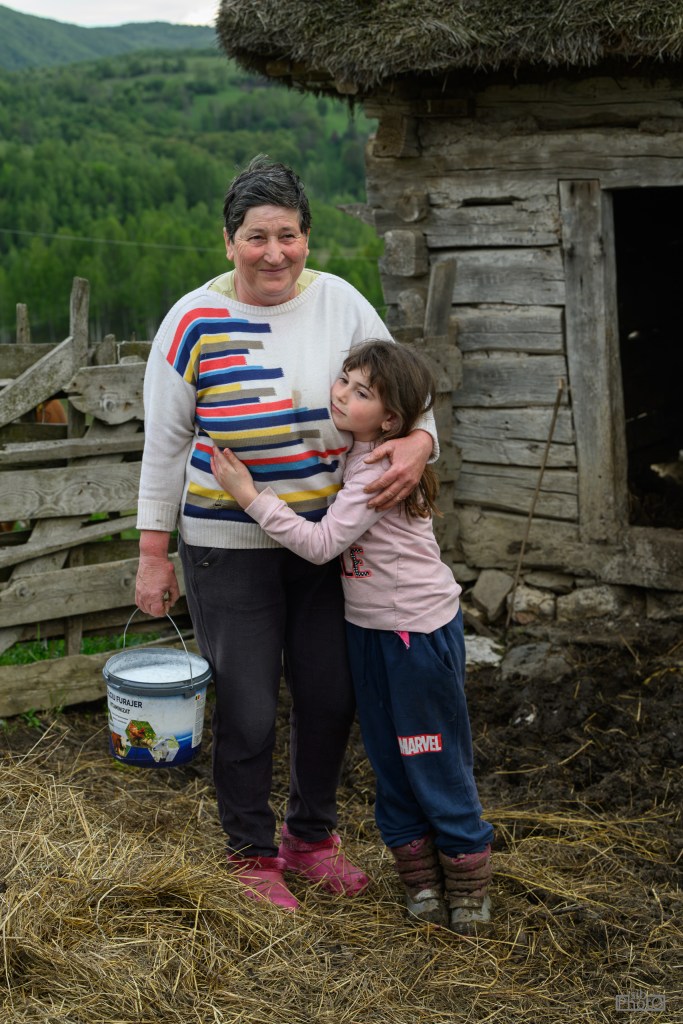
Past the Gutâi Pass, building materials shift from quarried rock to oak and spruce. In Borcut, work at the sheepfold begins early in the corral, where shepherds pin long-wool Țurcană ewes against split-rail fences to milk them by hand. Inside the shelter, milk curdles in a copper cauldron over an open pit, drained into coarse cheesecloth sacks hung along outdoor timber poles. Further north at Șurdești, the Greek Catholic Church of the Holy Archangels rises 54 meters, built of oak joinery without iron fasteners. In Breb, that woodworking tradition extends into domestic life: oak log houses sealed with clay, hand-turned spindles drawing wool beside masonry stoves, and carved mortuary crosses weathered by rain.
Borcut
Șurdești
Breb
3. Borderlands, Memory, and the Folk Art of Mortuary Joinery
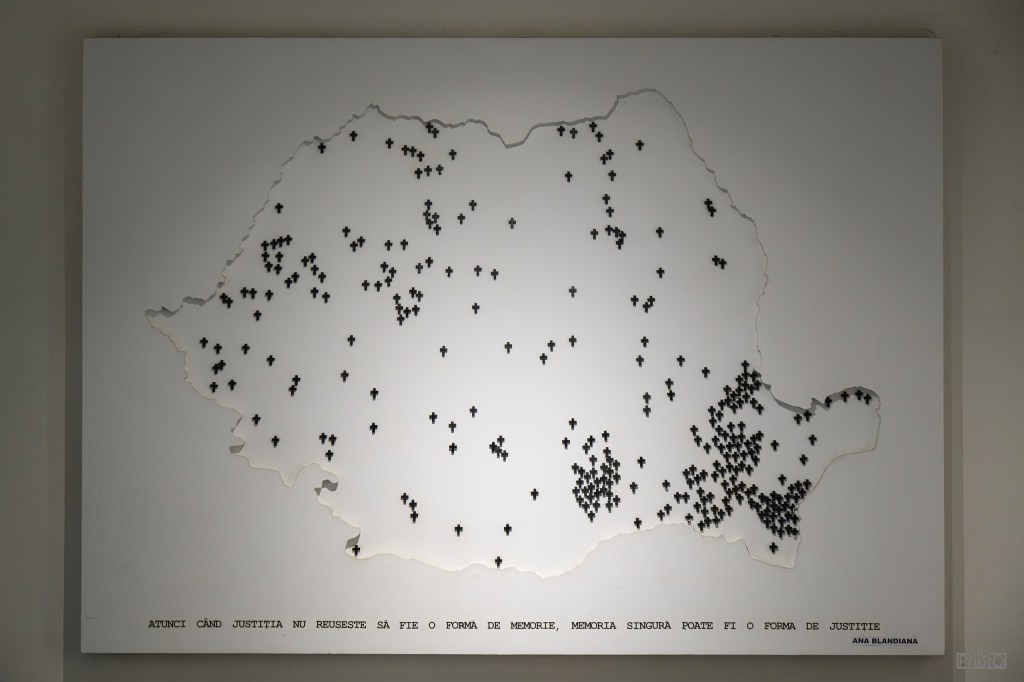
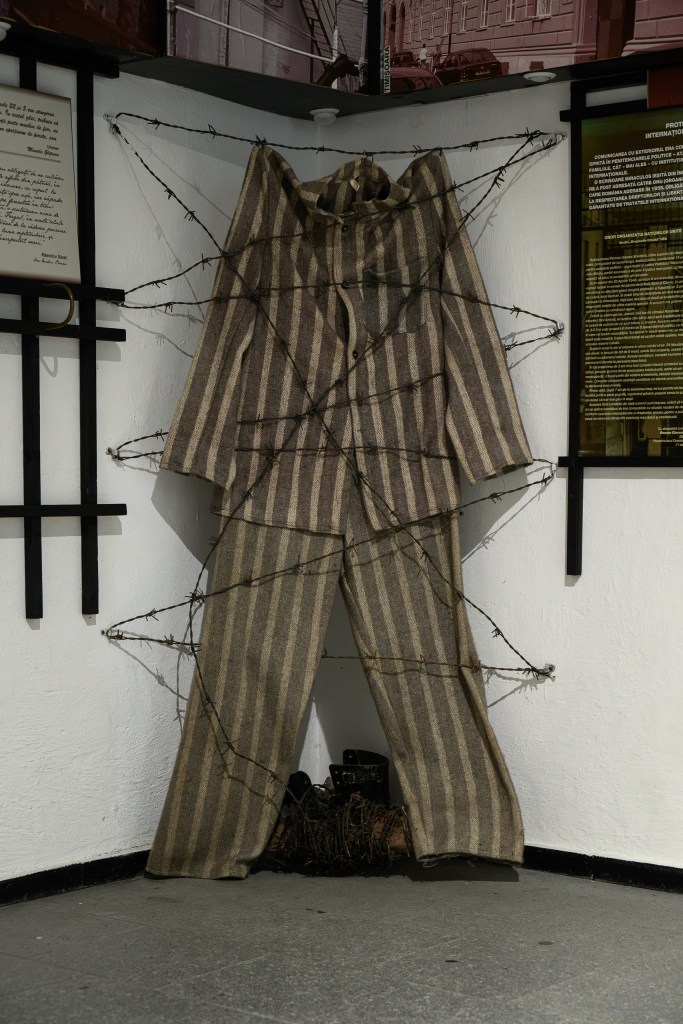
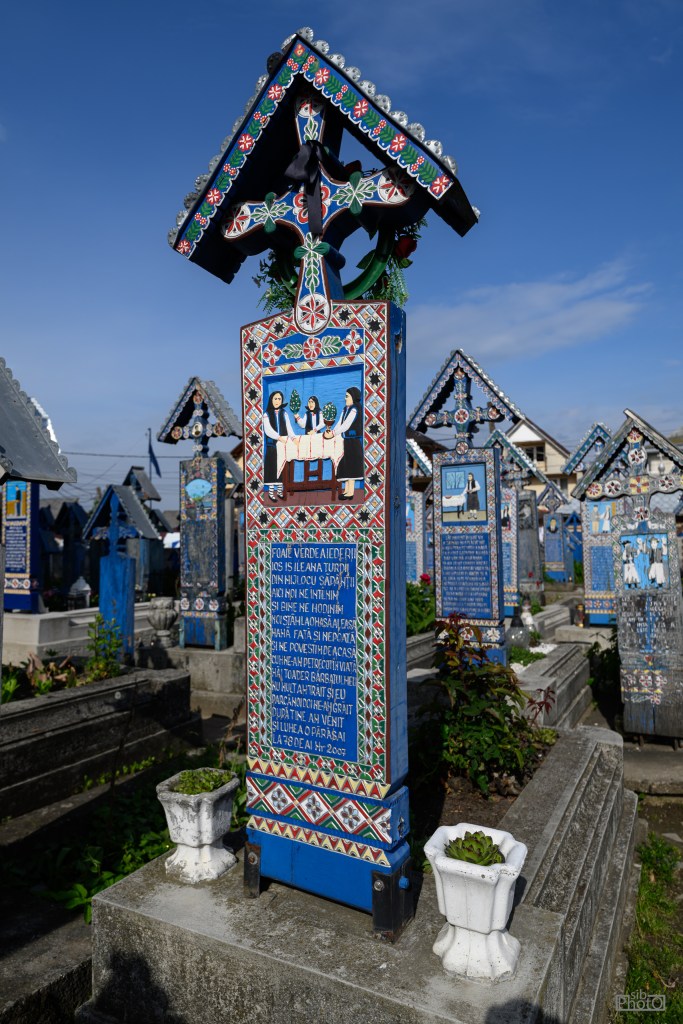
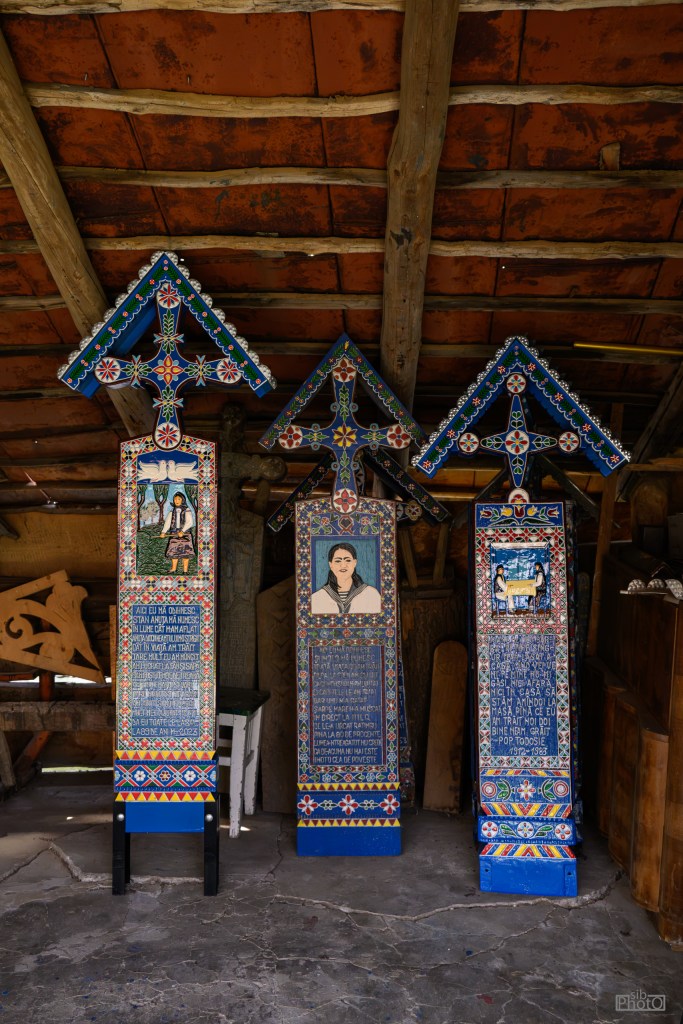
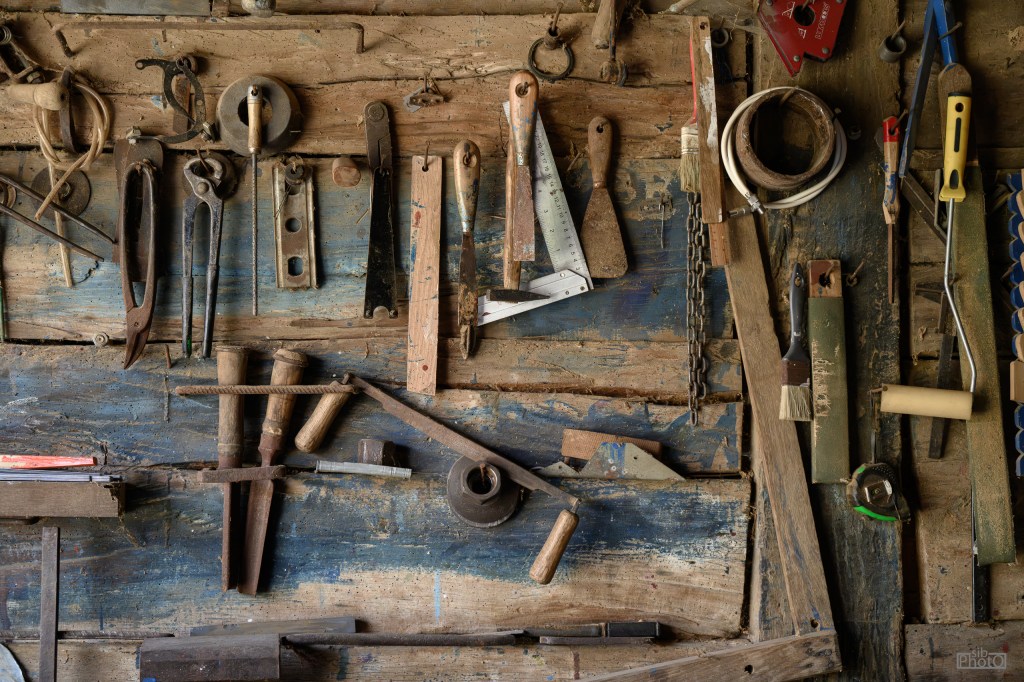
The road east through the Ruscova Valley ends near the Ukrainian border at Poienile de sub Munte. At the weekly market, farmers trade salted caș (soft, un-aged cheese) straight off wooden boards alongside heavy sheepskin vests and hand-stitched leather opinci. Down the valley in Sighetu Marmației, that rural rhythm runs into twentieth-century political history. The former prison, now the Memorial to the Victims of Communism, preserves the windowless solitary cells where thousands of Romania’s intellectual and political leaders were held under administrative detention in hundreds of prisons. West in Săpânța, the relationship with mortality shifts toward village satire. In master carver Dumitru Pop Tincu’s workshop, oak timbers are cut, chiseled, and painted in cobalt, turning domestic biographies, work injuries, and family arguments into painted public markers.
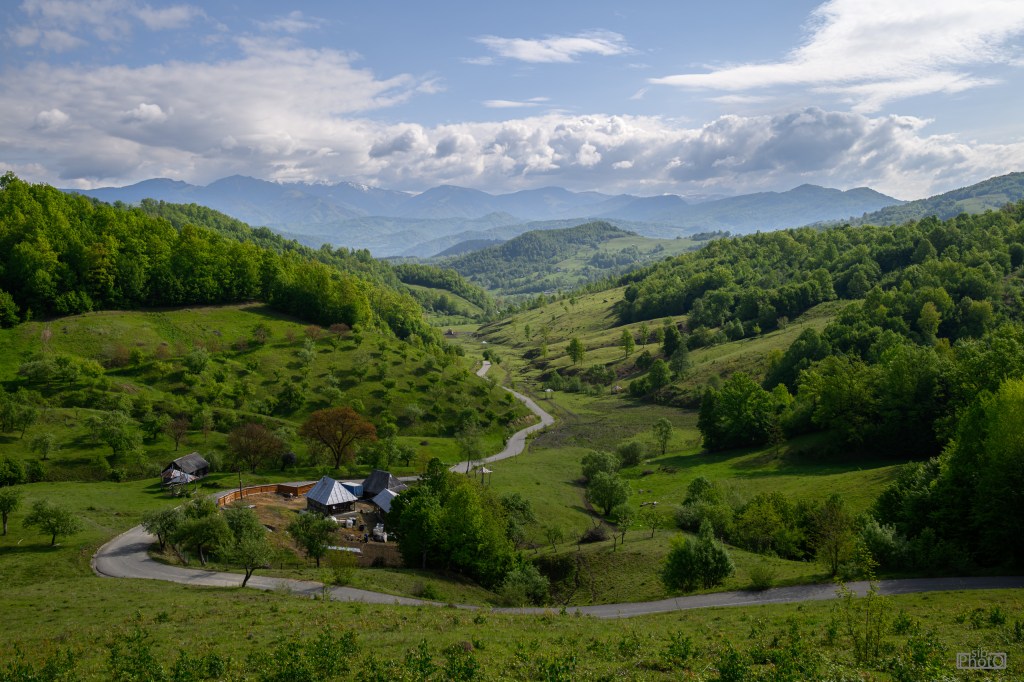
Poienile de sub Munte Market
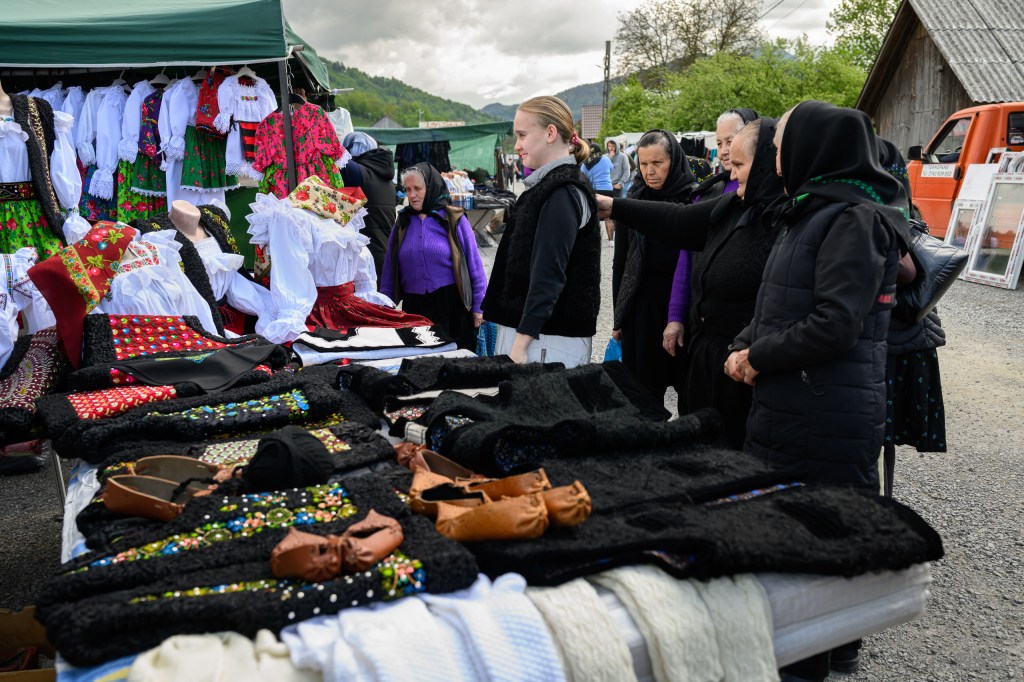
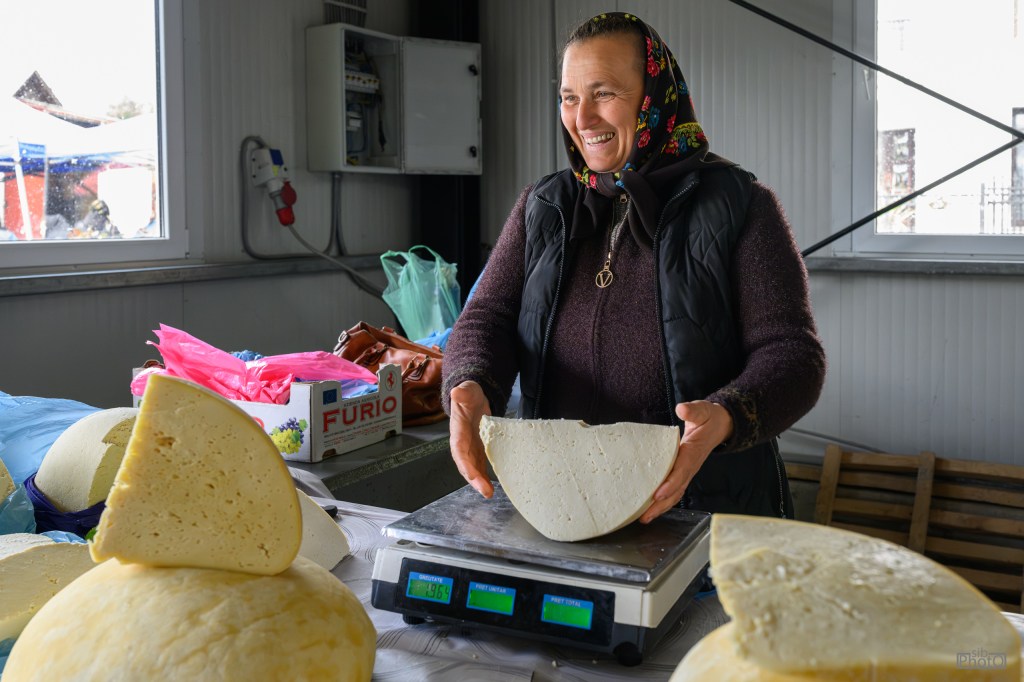
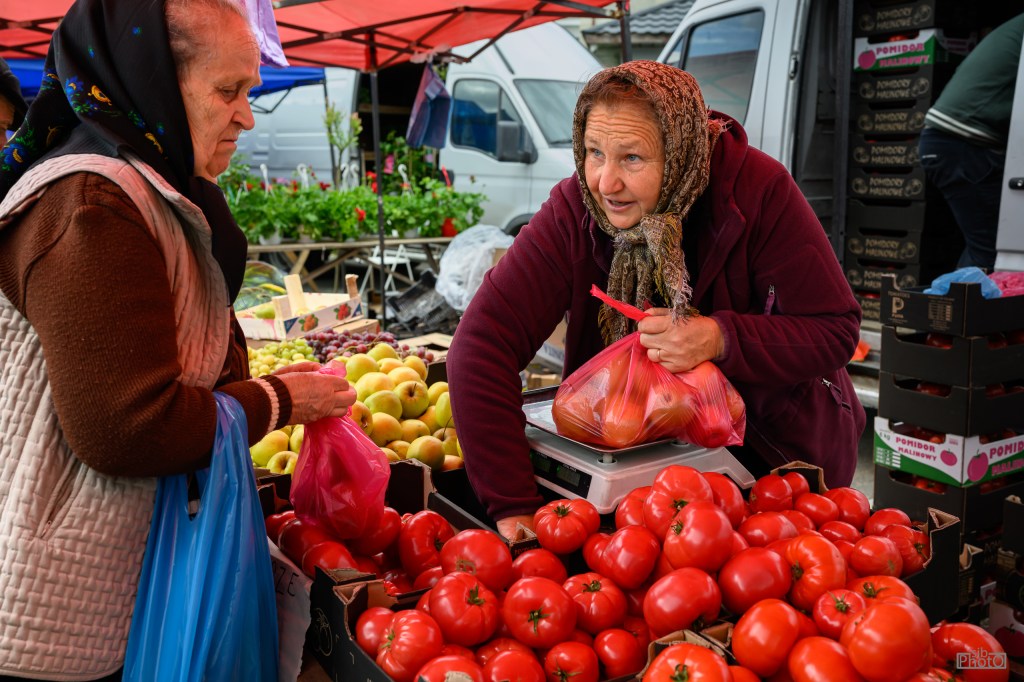
Sighetu Marmației (Memorial of the Victims of Communism)
Săpânța (Merry Cemetery & Workshop)
4. Monastic Timber, Pre-Industrial Hydraulics & Apuseni Highlands
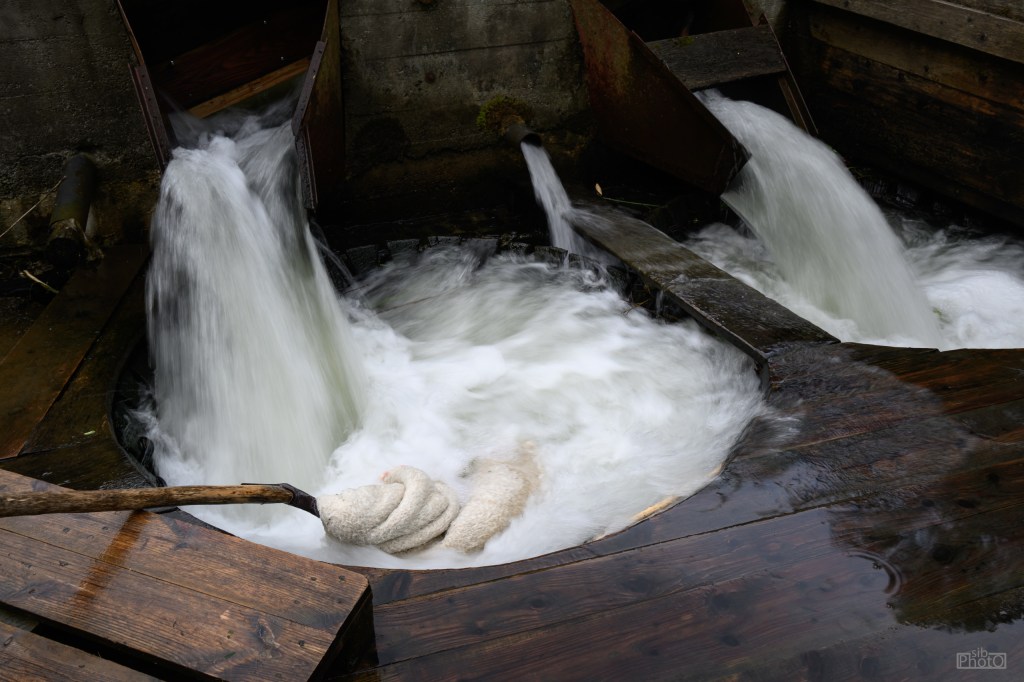
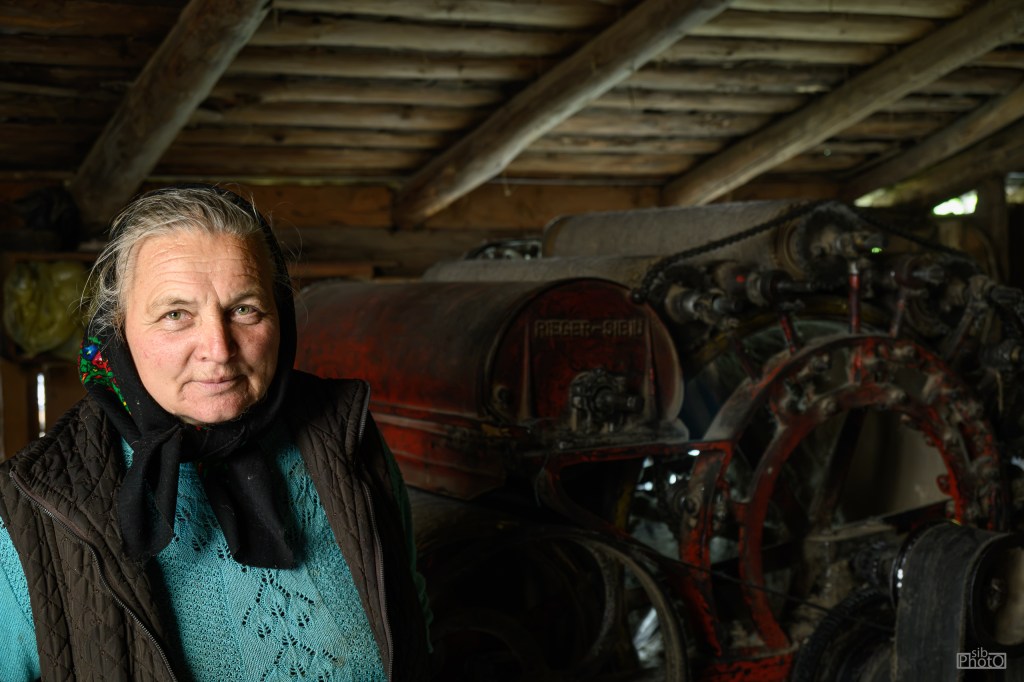
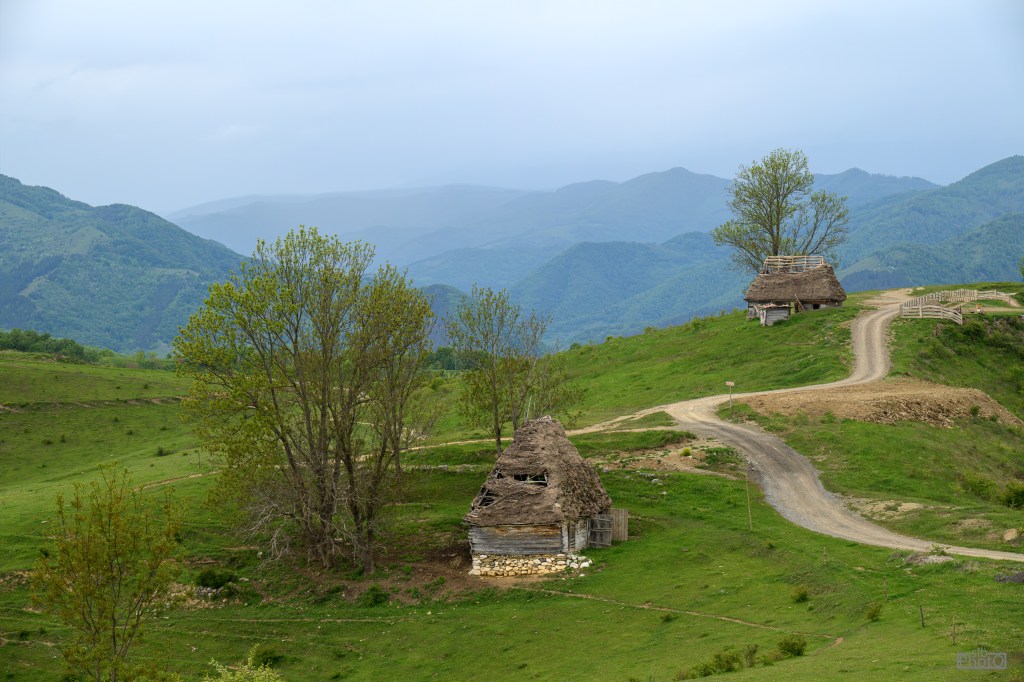
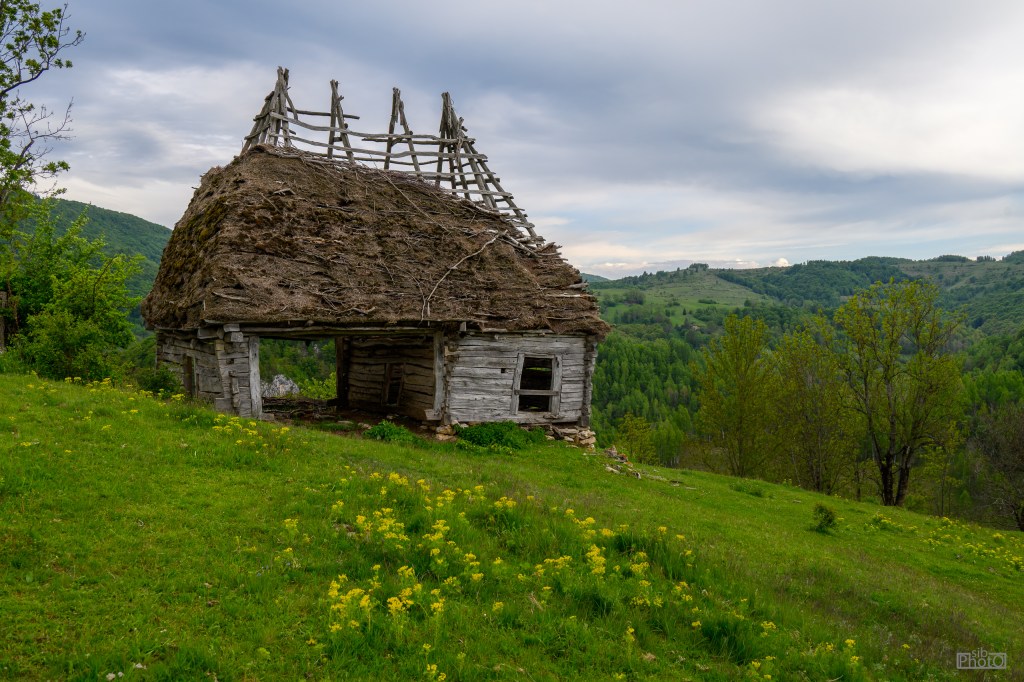
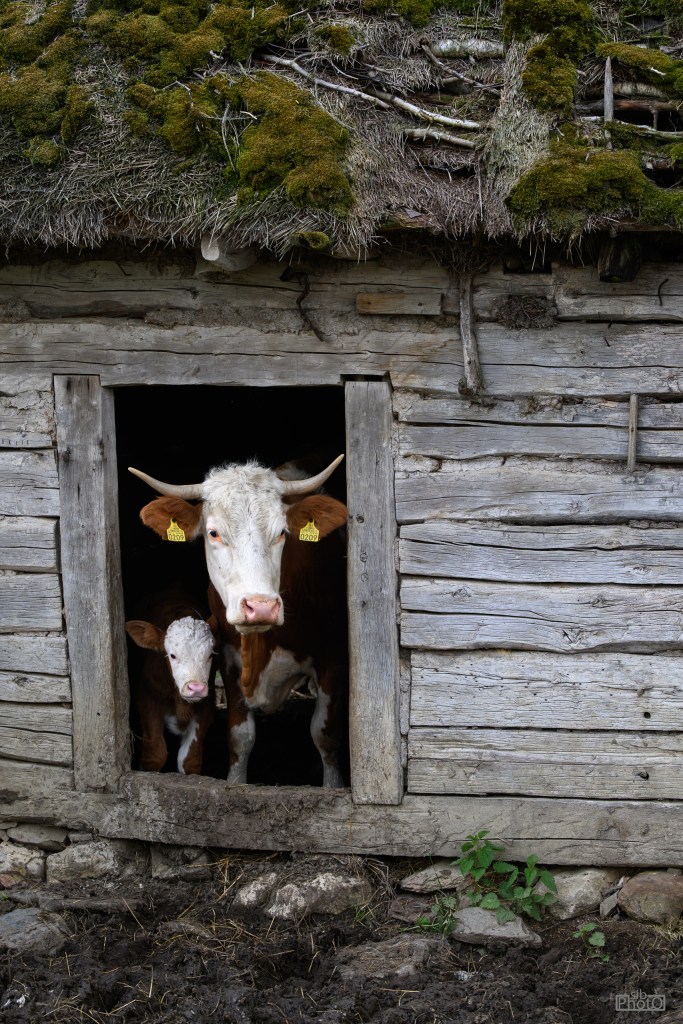
Before leaving Maramureș, water does the work that modern utilities handle elsewhere. In Sârbi, the Cosău river diverts through flumes into a wooden whirlpool, using hydraulic pressure to felt thick wool blankets without soap. Next door, cast-iron teeth on an early twentieth-century German carding engine comb raw fleece into clean bats. Southwest across the Apuseni Mountains, the terrain turns into a karst plateau. At Dumești, the ridges hold steep, thatched barns built from hand-hewn logs and rye straw. The roofs are three times the height of the timber bases below them, designed to shed mountain snow and protect winter feed for small family cattle herds.
Bârsana & Sârbi
Dumești Highlands
5. Saxon Transylvania & Traditional Metal Trades
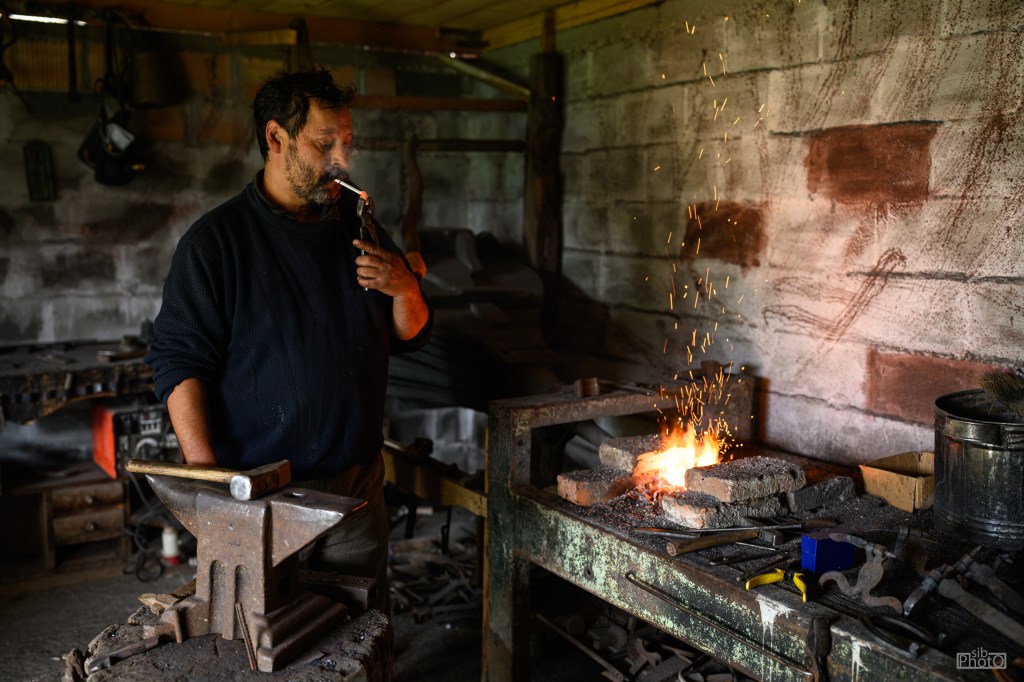
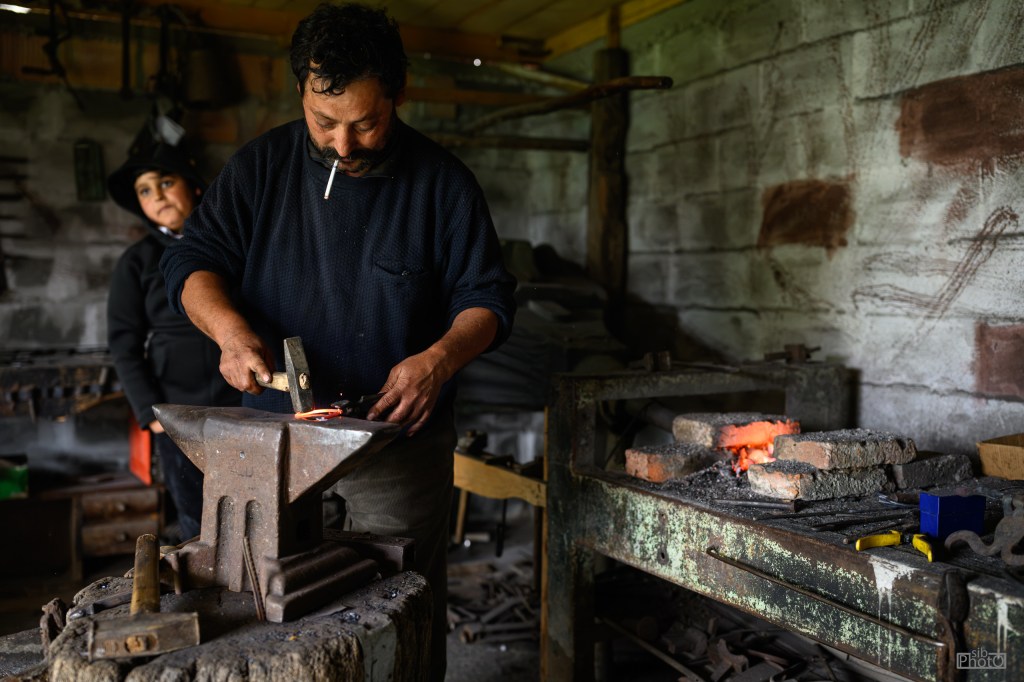
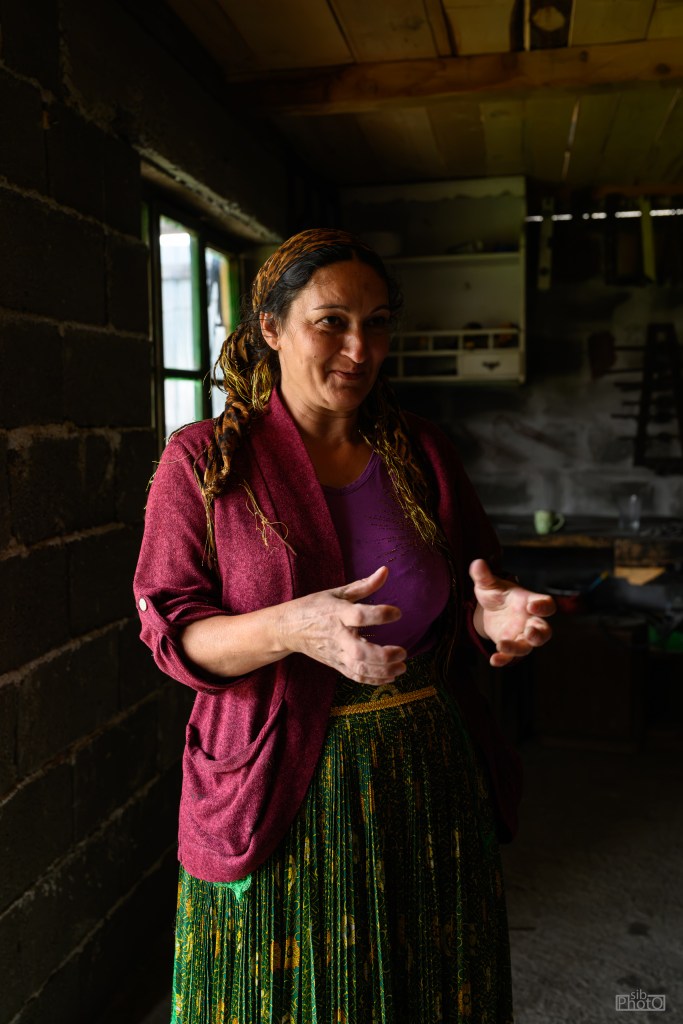
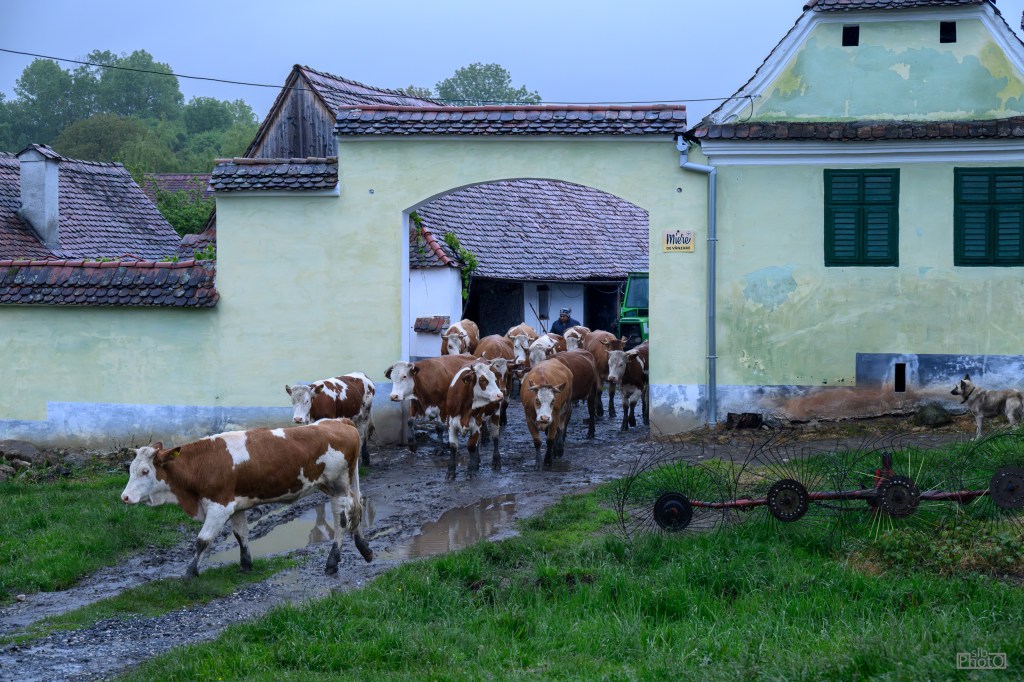
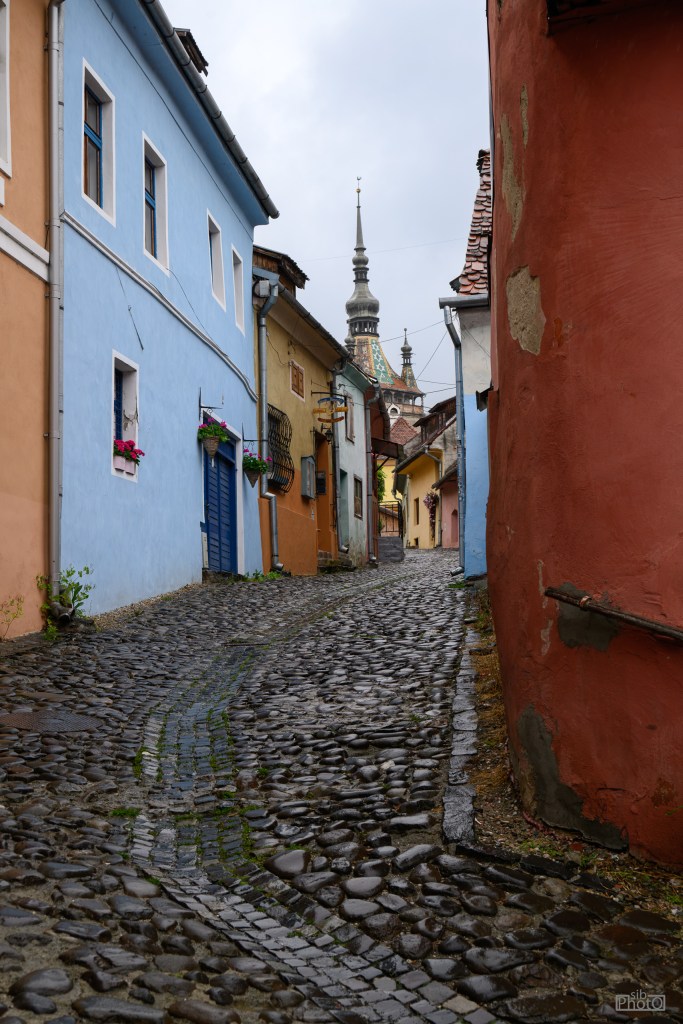
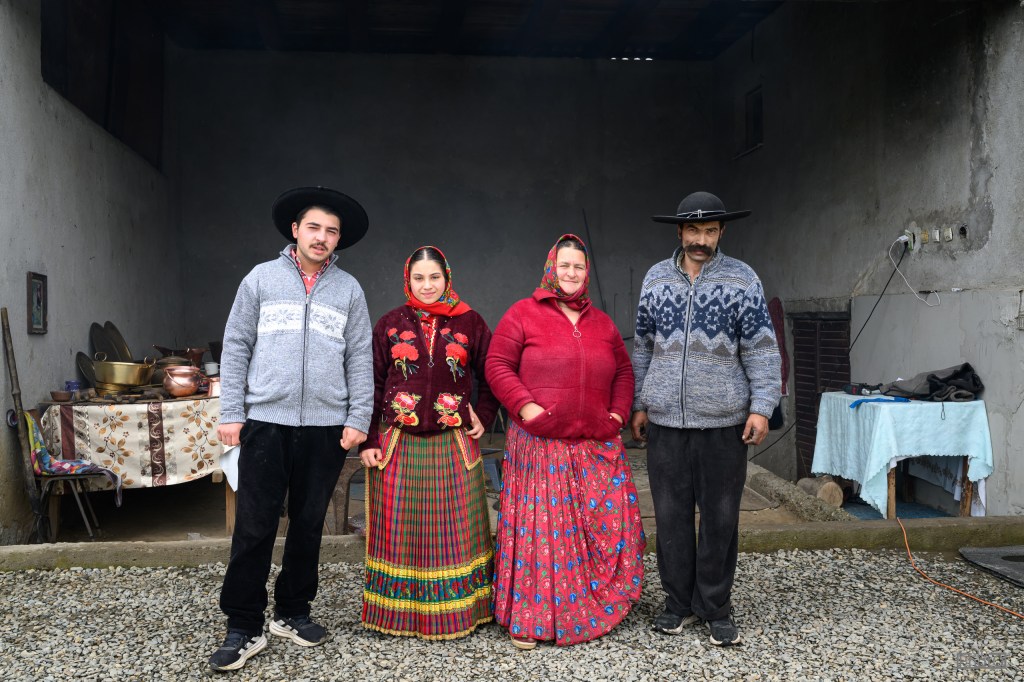
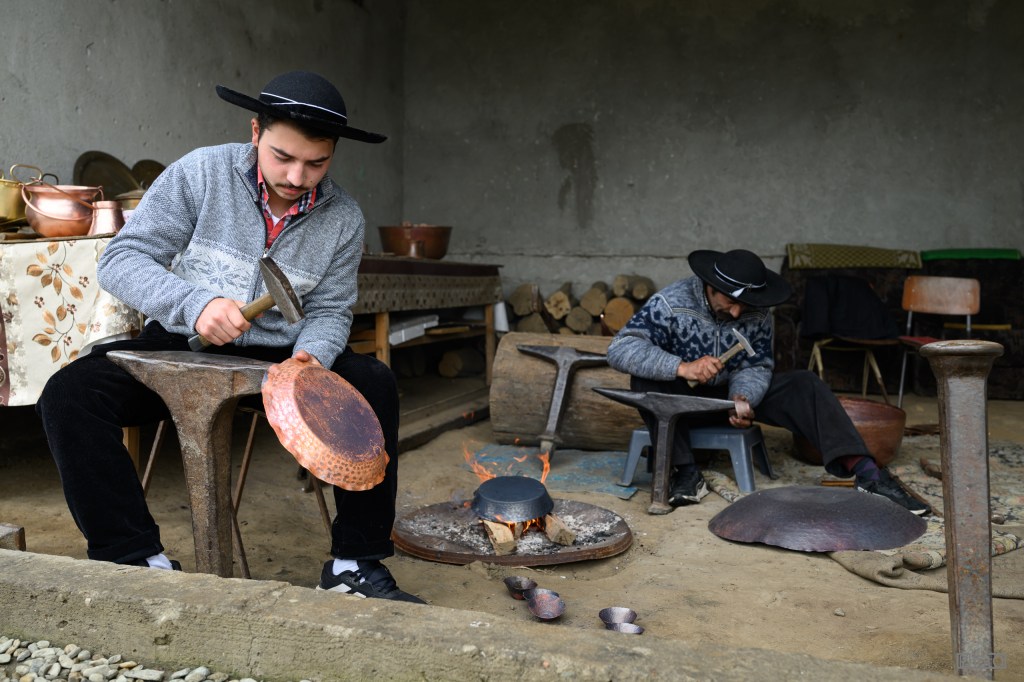
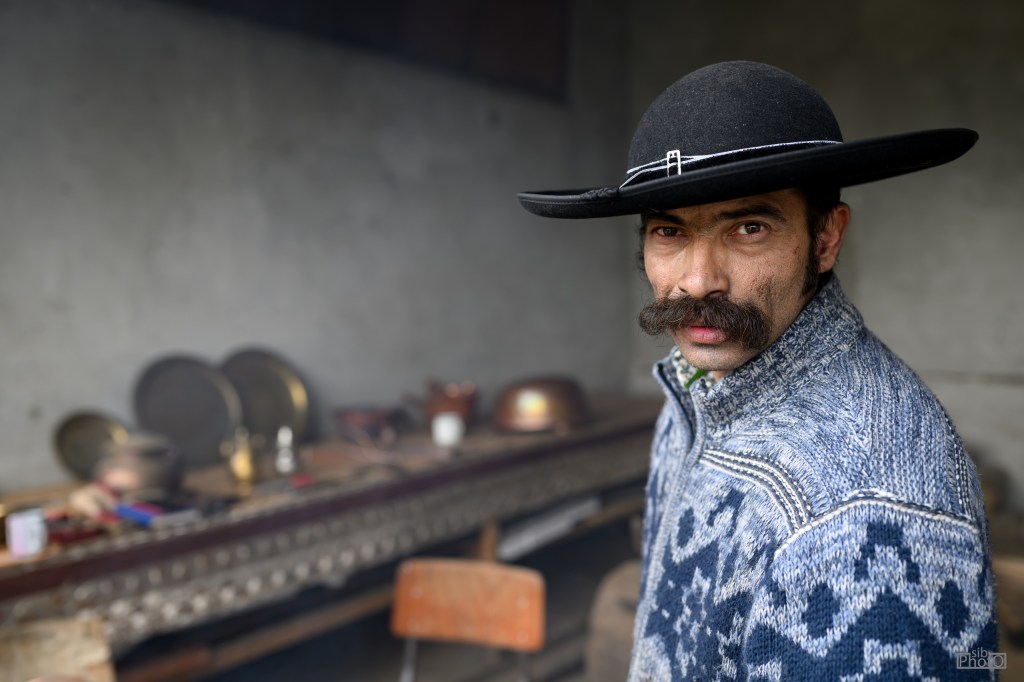
South of the Târnava Mare river, Saxon villages follow a strict defensive layout: high perimeter walls, fortified granaries, and fortified church towers built to withstand regional raids. In Viscri, the forge operates in a whitewashed outbuilding off the dirt main street, where a local blacksmith shapes draft horse shoes and farm iron over an open charcoal hearth. At dawn, dairy cows move down the road toward their pasture, emerging from individual courtyard gates. A short drive away, the medieval citadel of Sighișoara preserves steep river-stone alleys below its fourteenth-century Clock Tower. In Brateiu, the sound shifts from stone to metal: Roma coppersmiths work in a roadside workshop, hammering raw copper sheets into wide distillation kettles and cookware over floor-level hearths.
Viscri Village
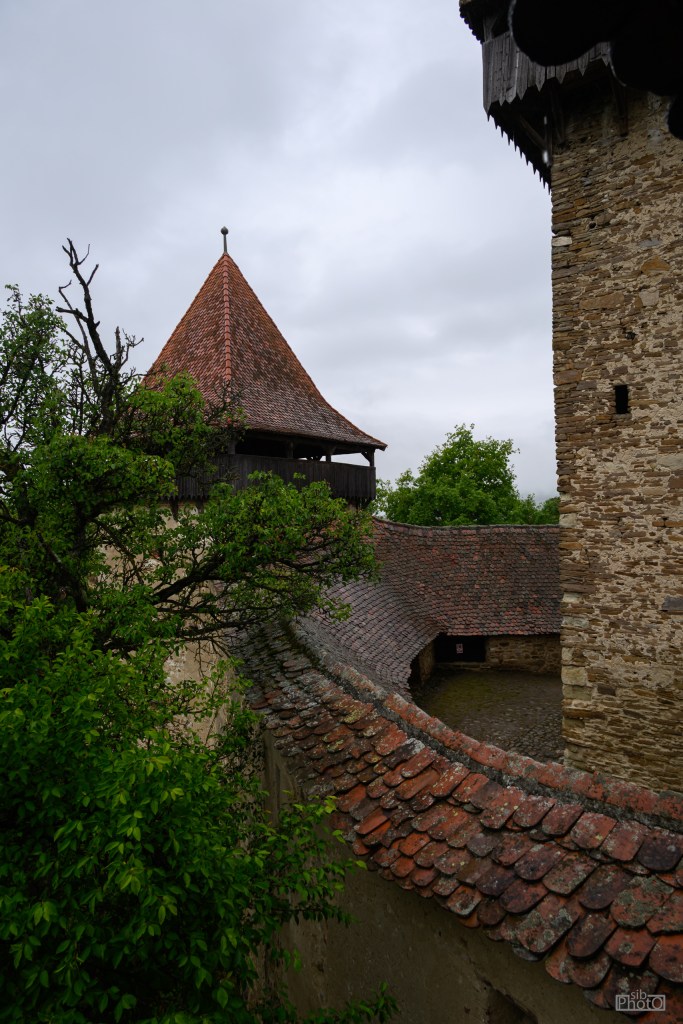
Viscri Dawn & Sighișoara
Brateiu Coppersmiths
6. The Citadel of Biertan
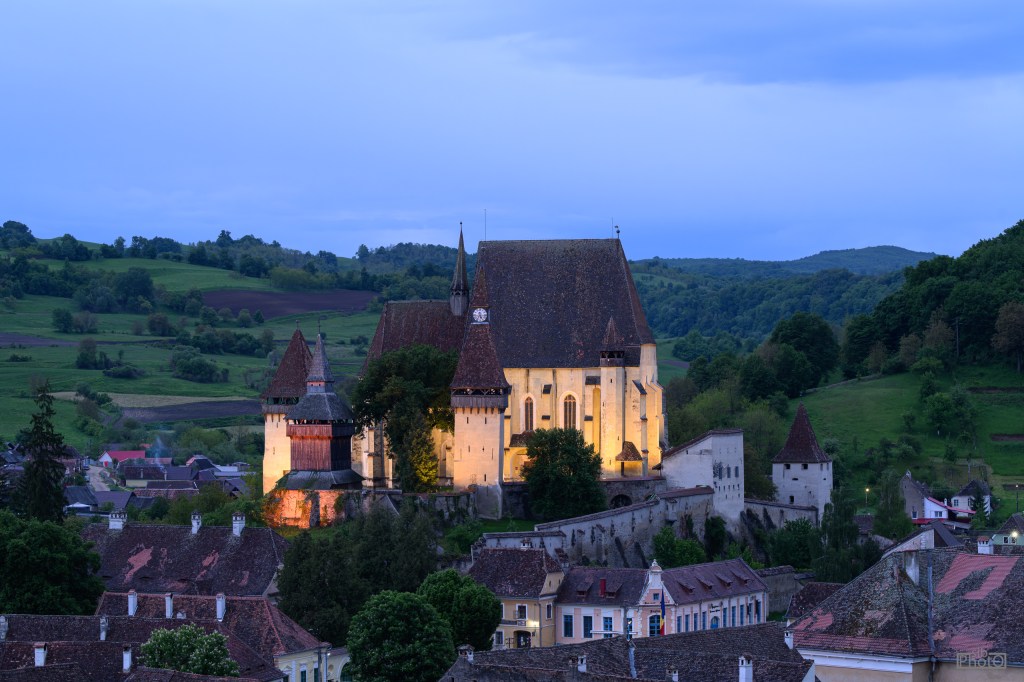
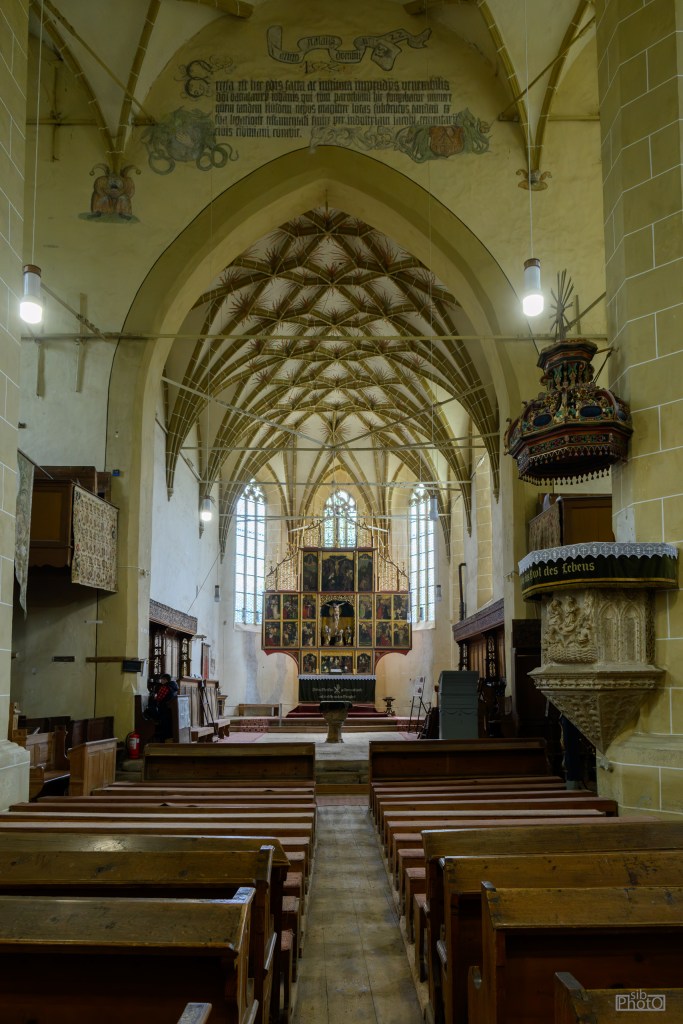
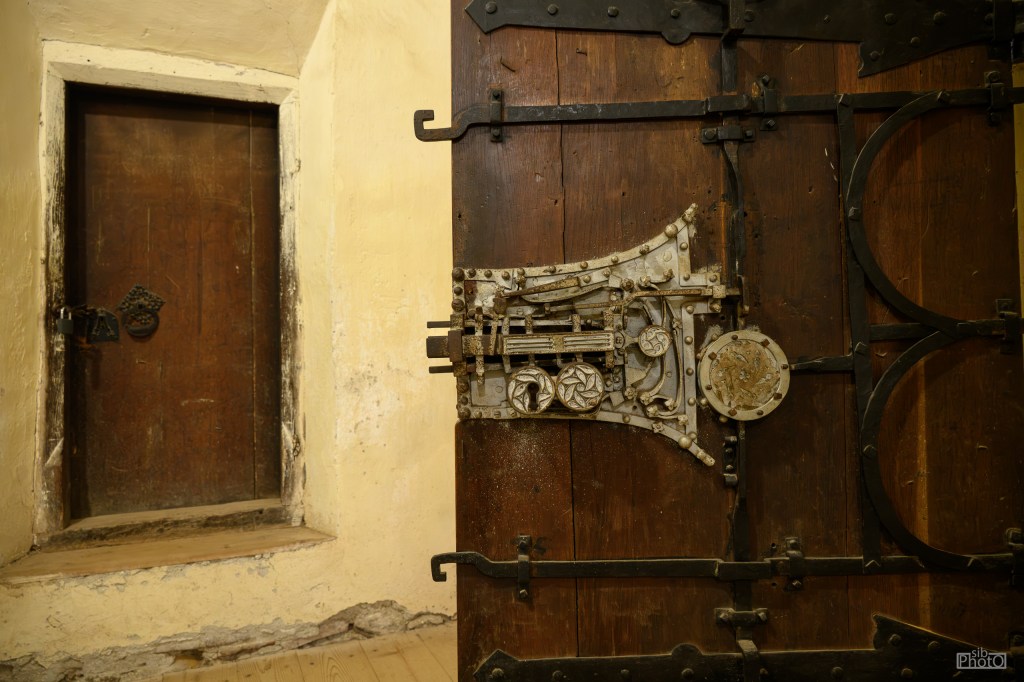
Biertan was the administrative and religious seat of the Transylvanian Saxon Lutheran bishops from 1572 until 1867. The central hall church sits on an isolated hill, protected by three concentric rings of stone walls, six towers, and three bastions. Inside the nave, Late Gothic star rib vaulting connects stone piers down to a 28-panel winged polyptych altarpiece painted between 1483 and 1515. The sacristy door, built in 1515, houses an intricate mechanical lock: a single key turn operates 19 individual sliding bolts around the oak perimeter, securing the parish treasury against siege and fire.
7. Sibiu: Fortifications, Alleys, and the Bridge of Lies
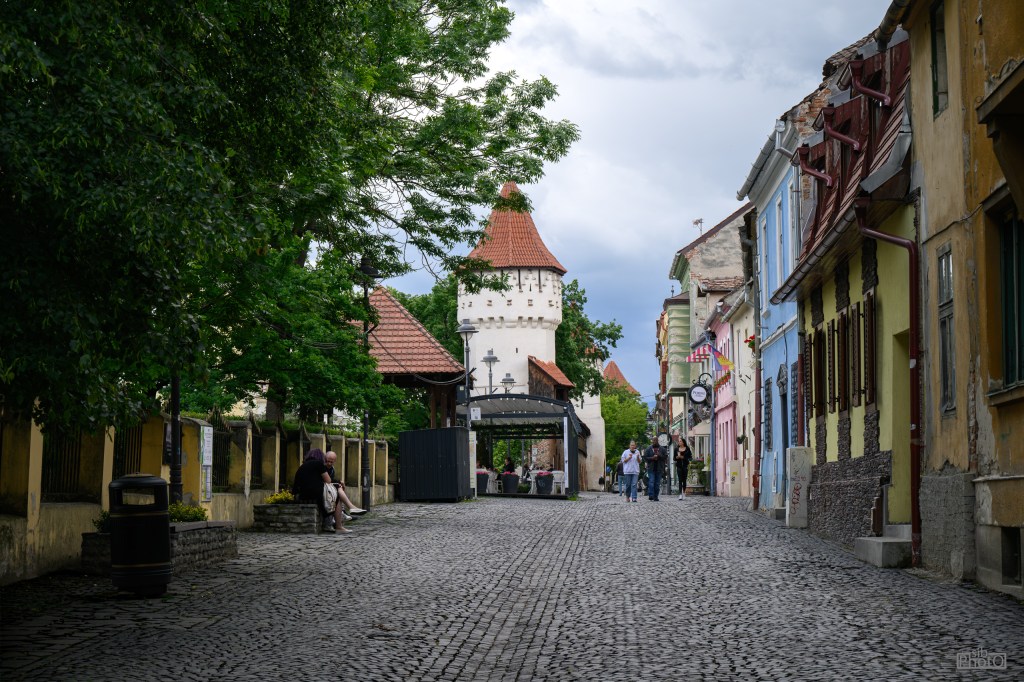
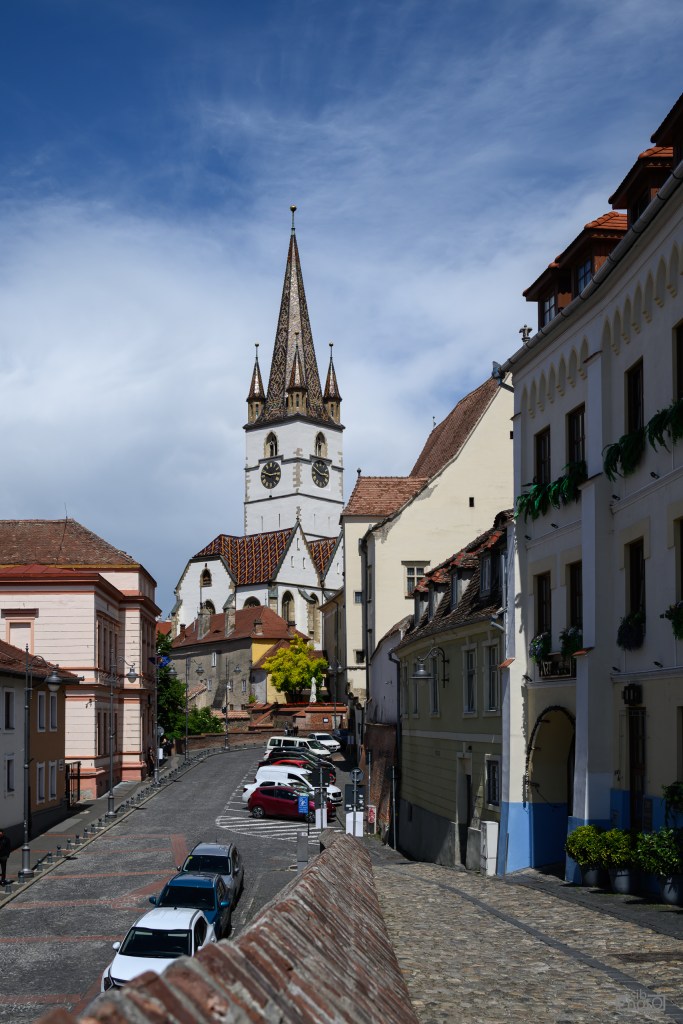
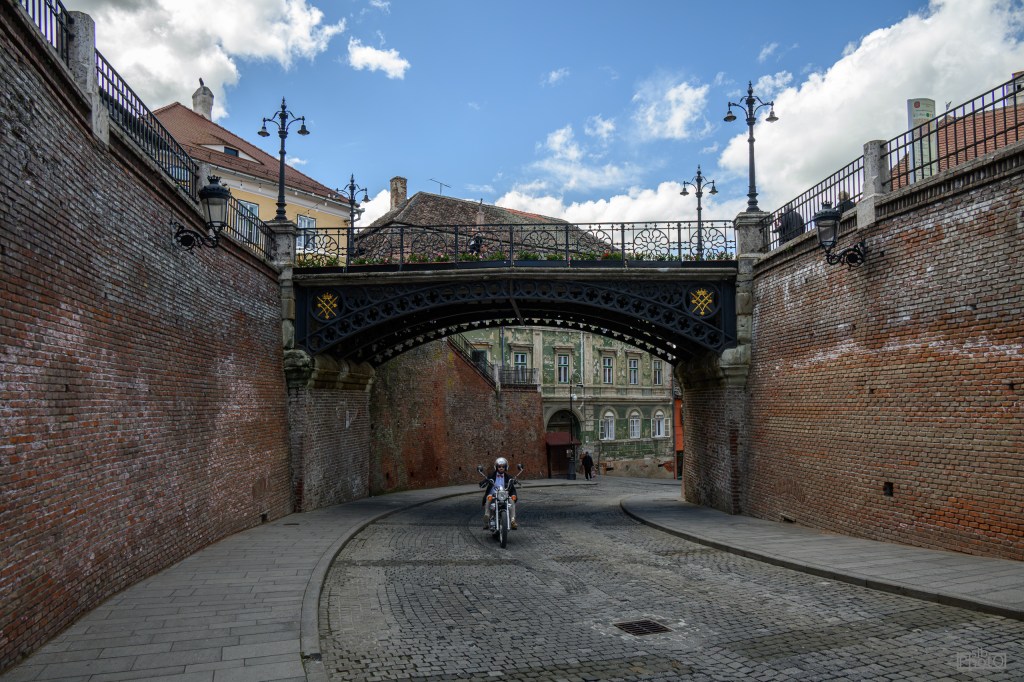
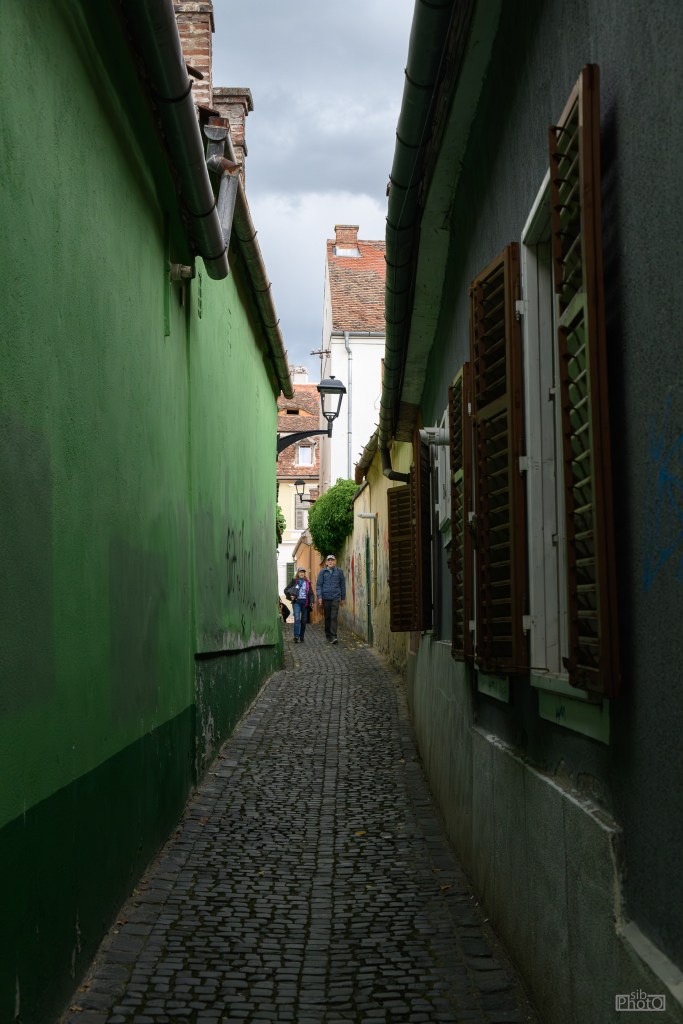
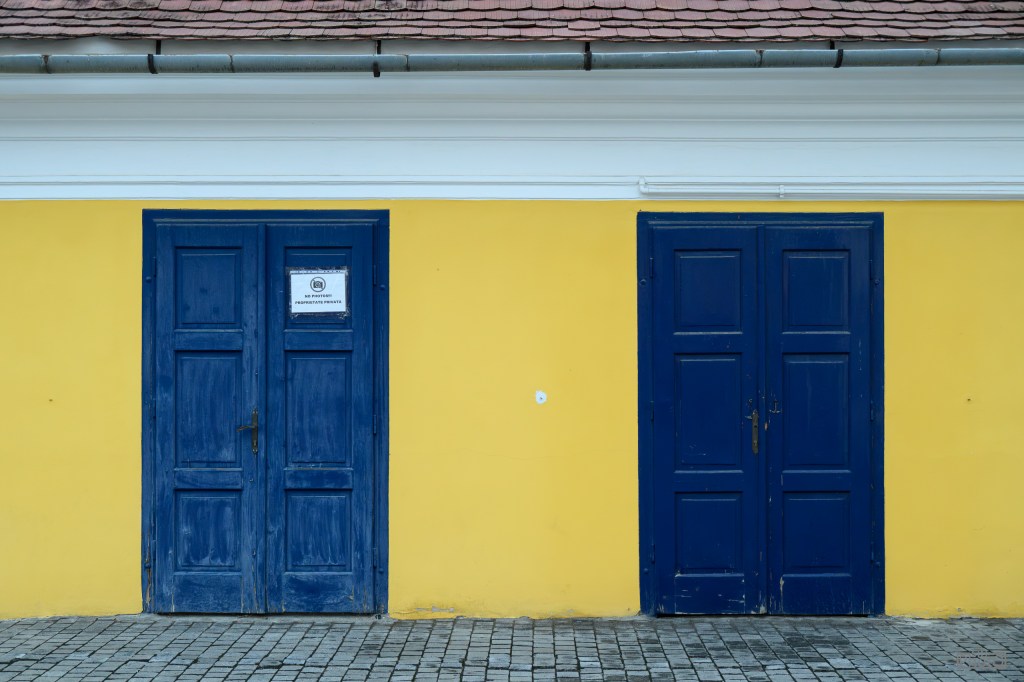
Sibiu, founded as Hermannstadt, was the primary administrative center of the seven Saxon fortified towns in Transylvania. The Upper Town held the guild halls, patrician houses, and administrative offices; the Lower Town contained the manufacturing workshops and trade quarters. Along Strada Cetății, stone ramparts and the Carpenters’ Tower show how defense was organized, with each trade guild responsible for maintaining and defending a specific section of the wall. Below the Upper Town, the 1859 cast-iron Bridge of Lies crosses the road cutting through the earthen ramparts. Steep cobblestone passages descend from the main squares into quiet residential corridors of lime-washed masonry, timber shutters, and painted courtyards.
8. Morning Light in Sibiu, the Watermills of Lisa & Bran Castle
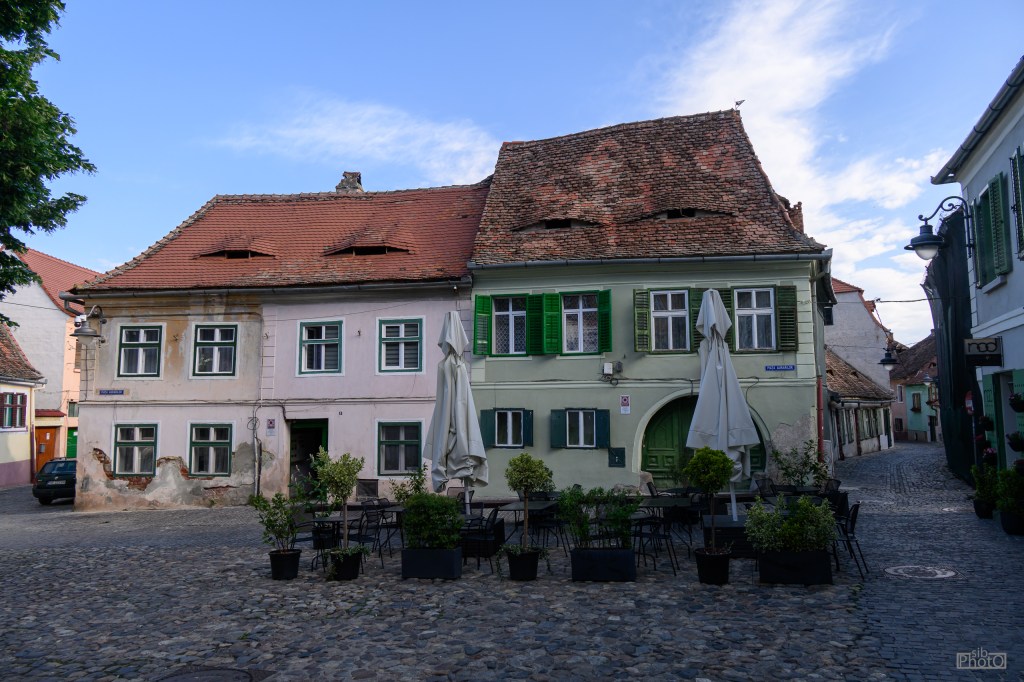
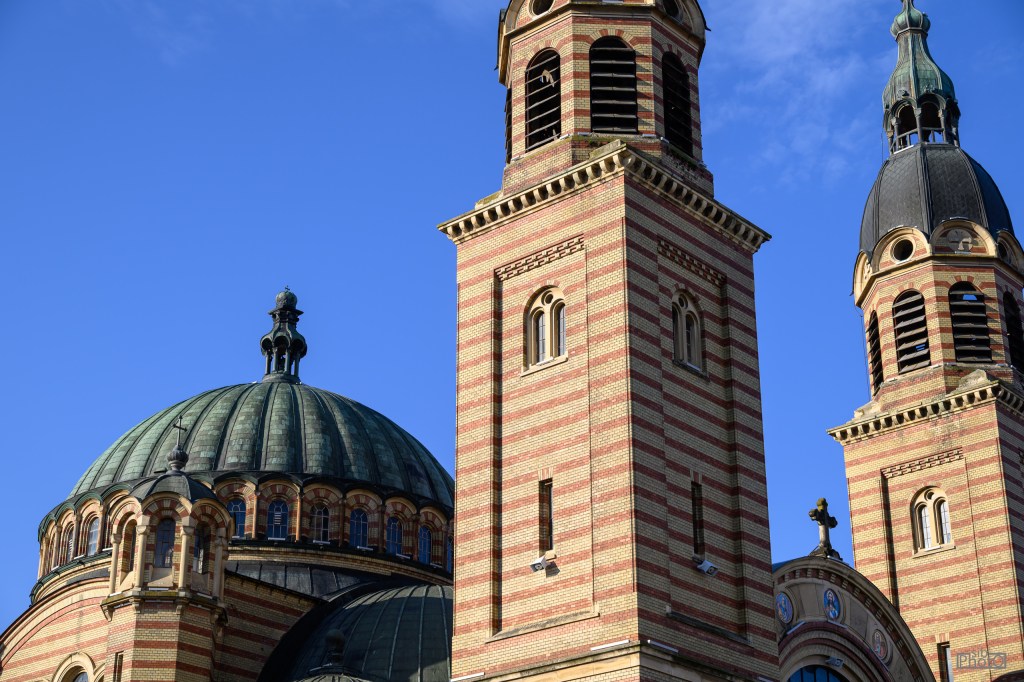
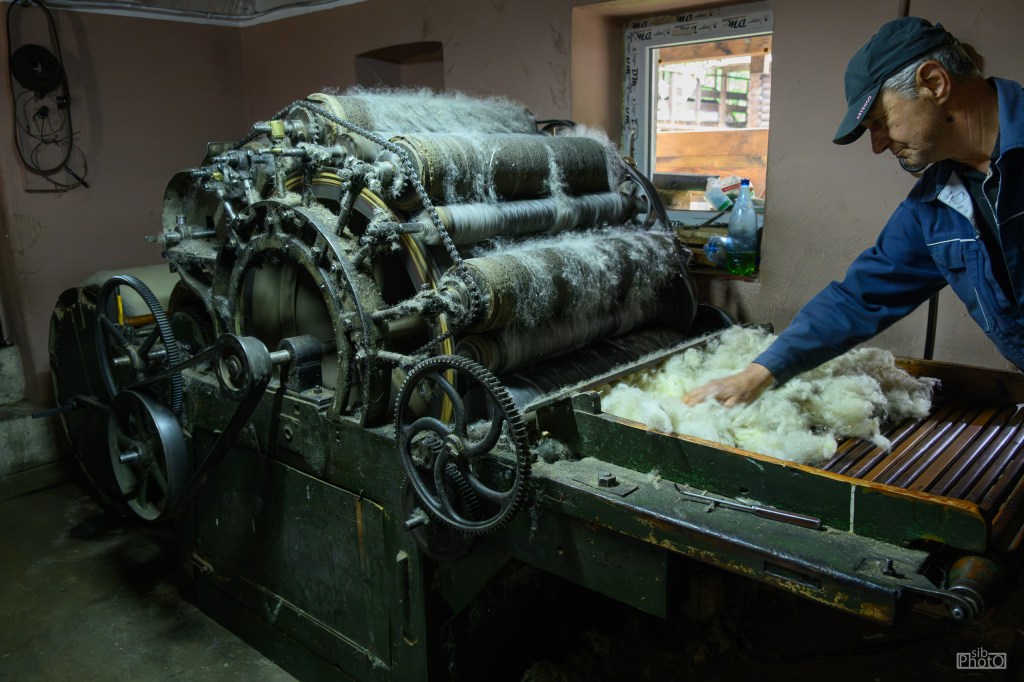
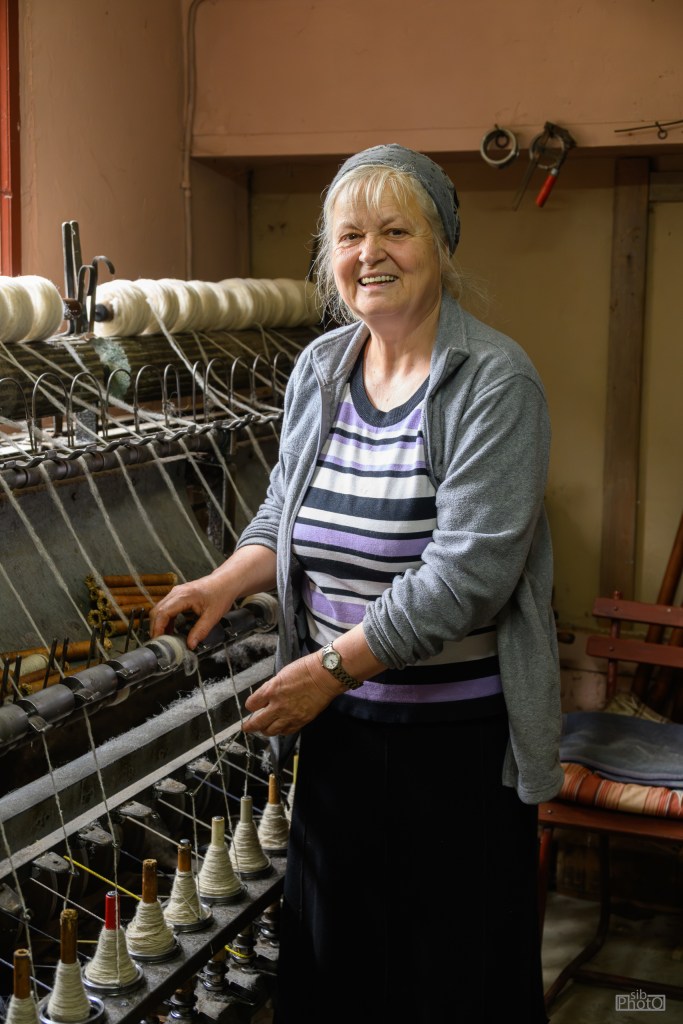
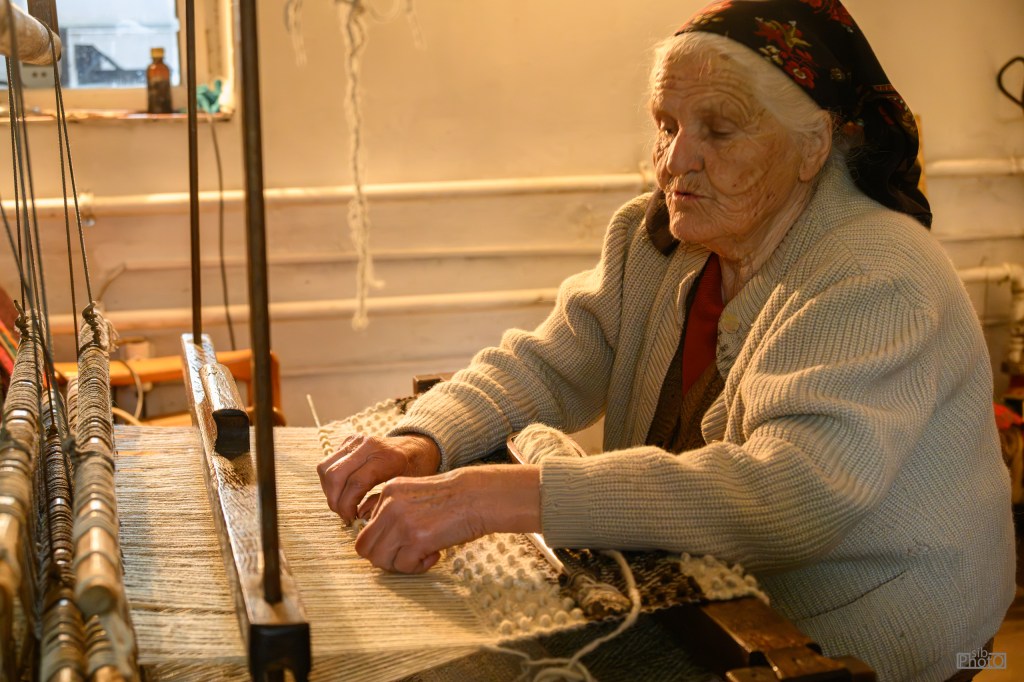
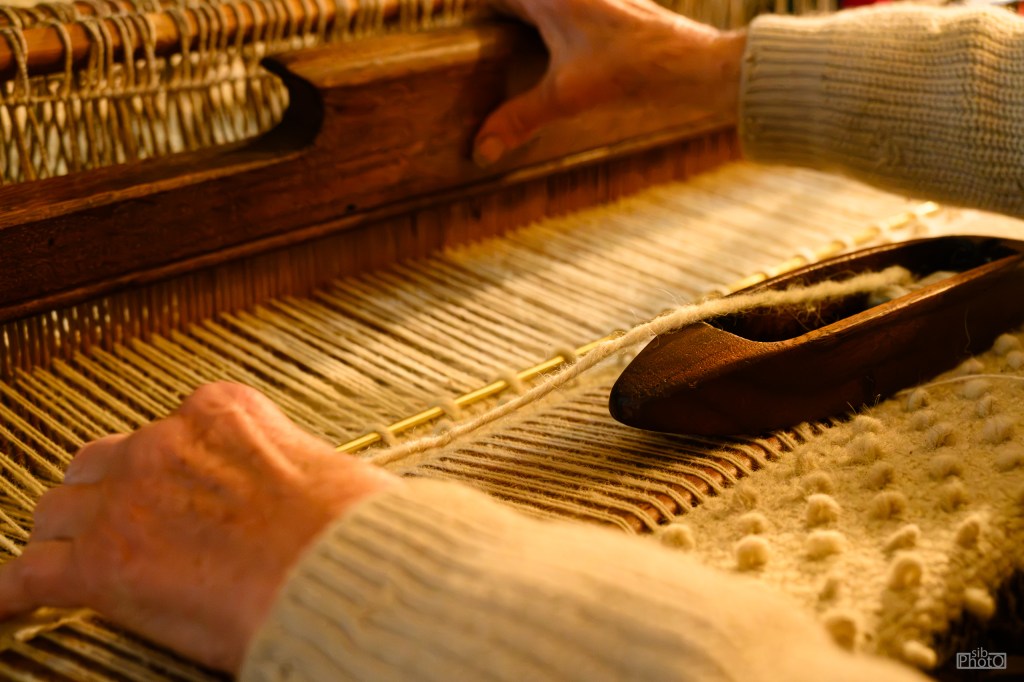
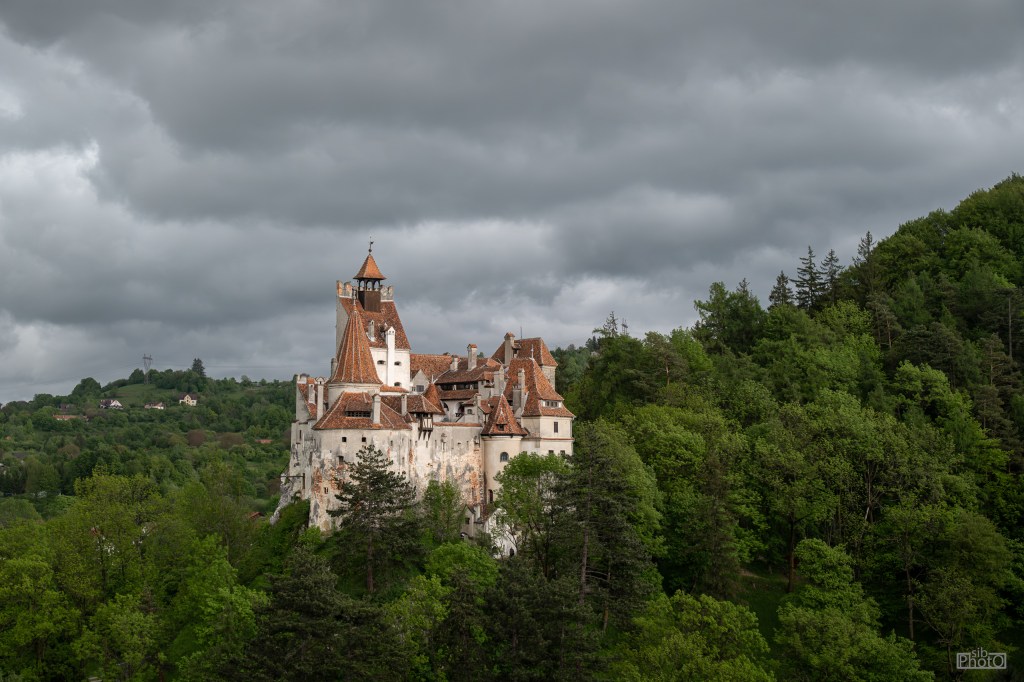
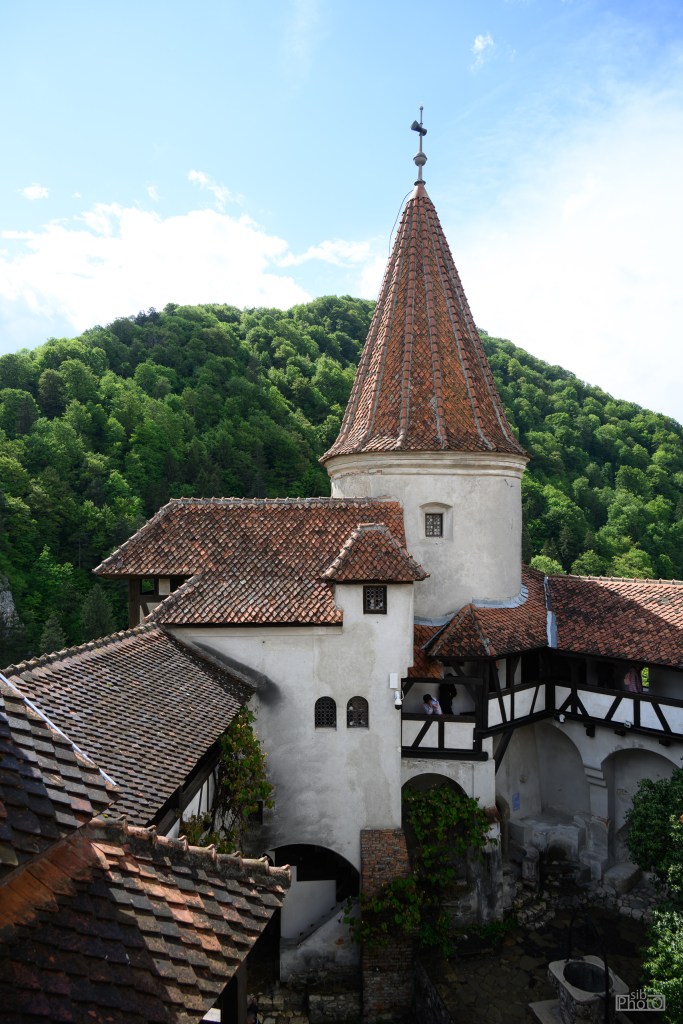
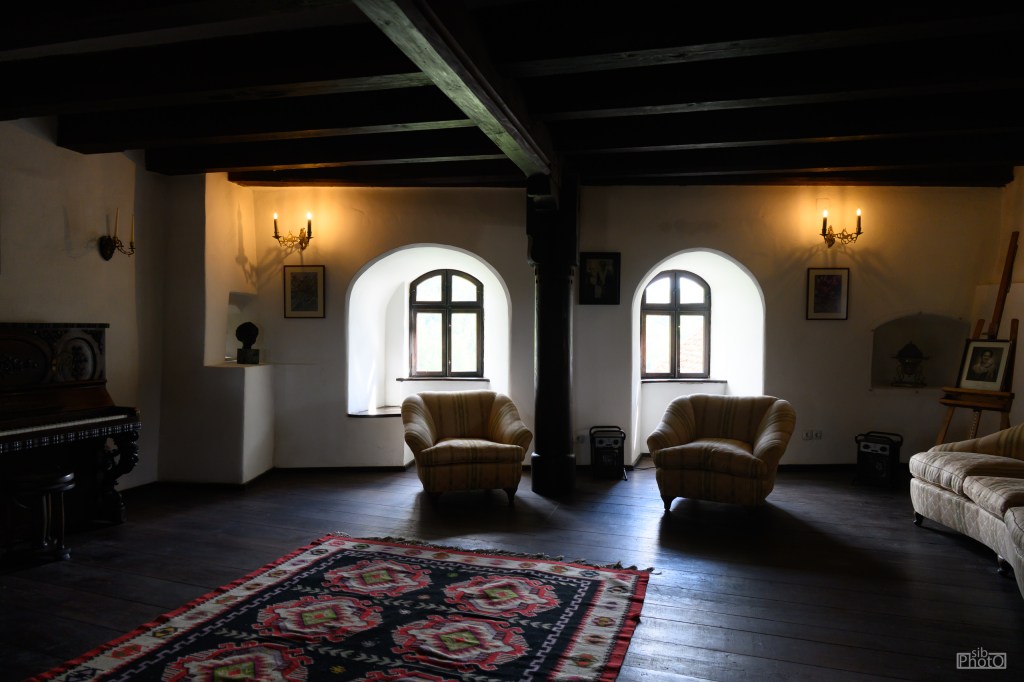
Early morning in Sibiu shows the functional architecture of the Lower Town: the horizontal attic ventilation slits known locally as the “eyes of the city,” built into heavy tile roofs to circulate air and dry grain. Leaving Sibiu eastward along the northern base of the Făgăraș Mountains leads to the village of Lisa. Here, the Greavu family operates a water-powered wool facility dating to the 1850s, running fleece through hydraulic carding drums and hand-operated timber floor looms. Further east across the historical Transylvanian border, Bran Castle (known by floods of tourists as “Dracula’s Castle”) guards the Rucăr-Bran mountain pass. Built by the Saxons of Brașov in 1377 on an isolated limestone crag, the fortress was adapted in the 1920s into a summer residence for Queen Marie, who fitted the Gothic masonry rooms with heavy ceiling beams, arched window alcoves, and Romanian flatweave rugs.
Sibiu Morning
Lisa (La Vâltori Wool Mill)
Bran Castle
9. Carpathian Wildlife & The Saxon Crown City: Libearty, Brașov & Bârsa Valley Hide
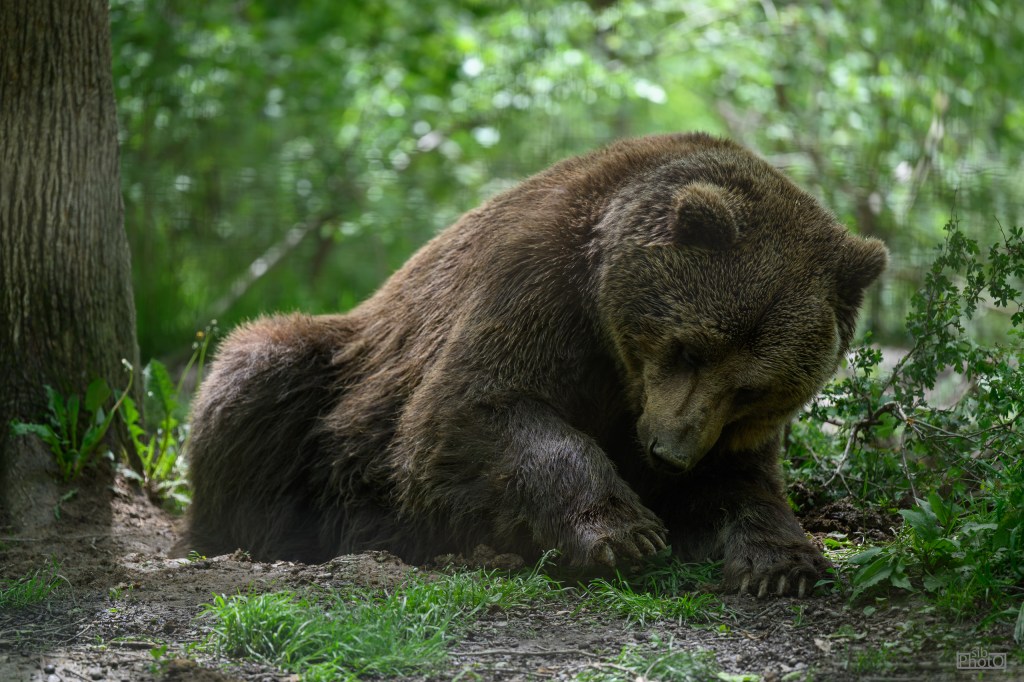
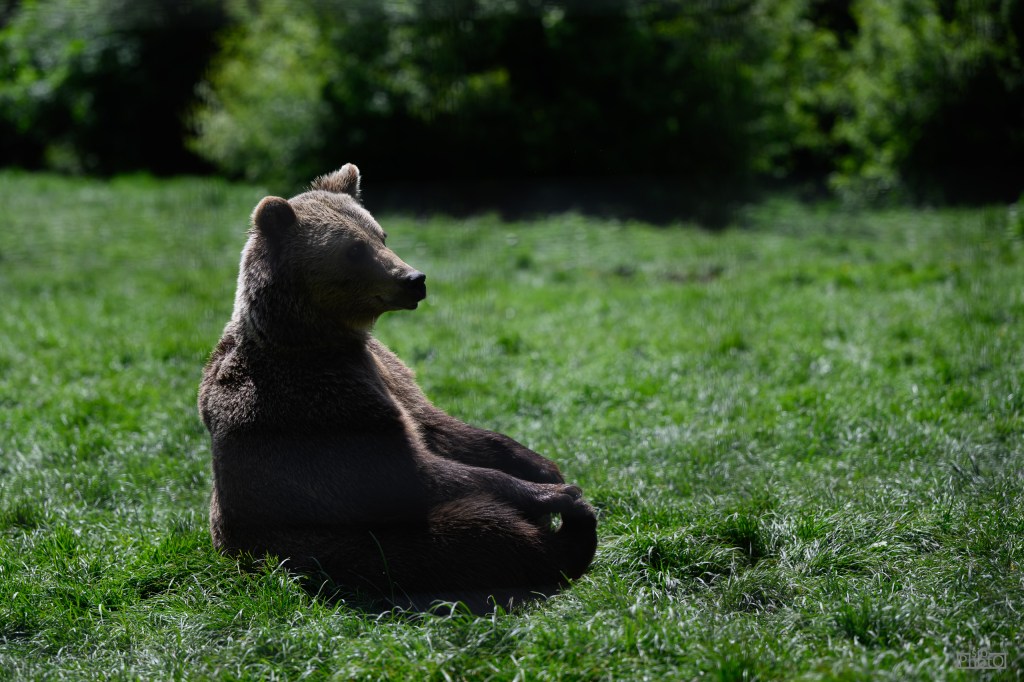
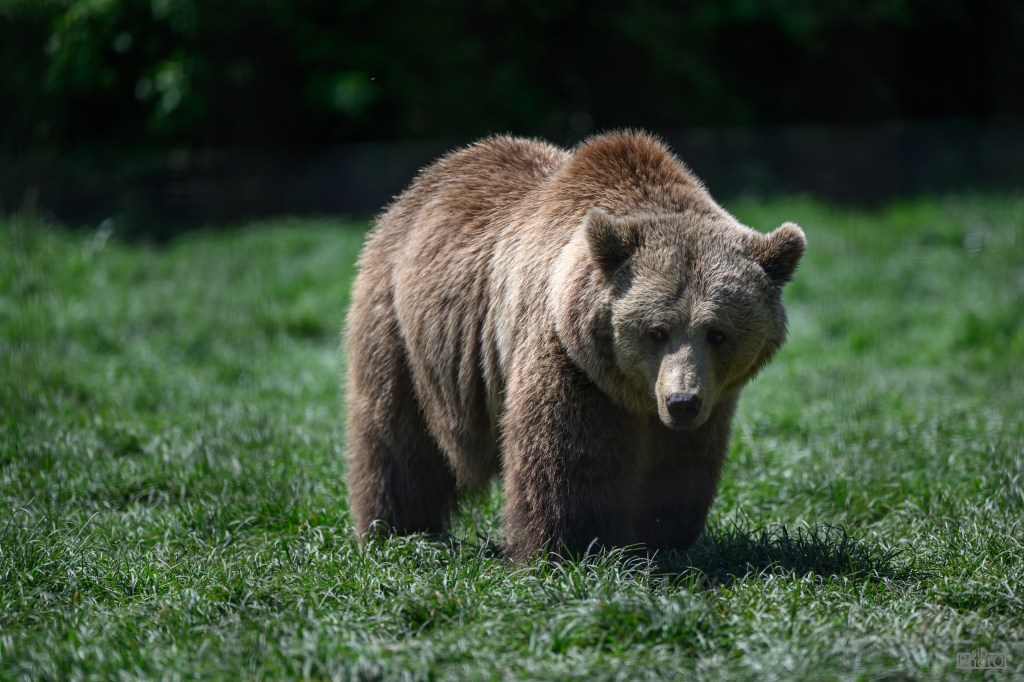
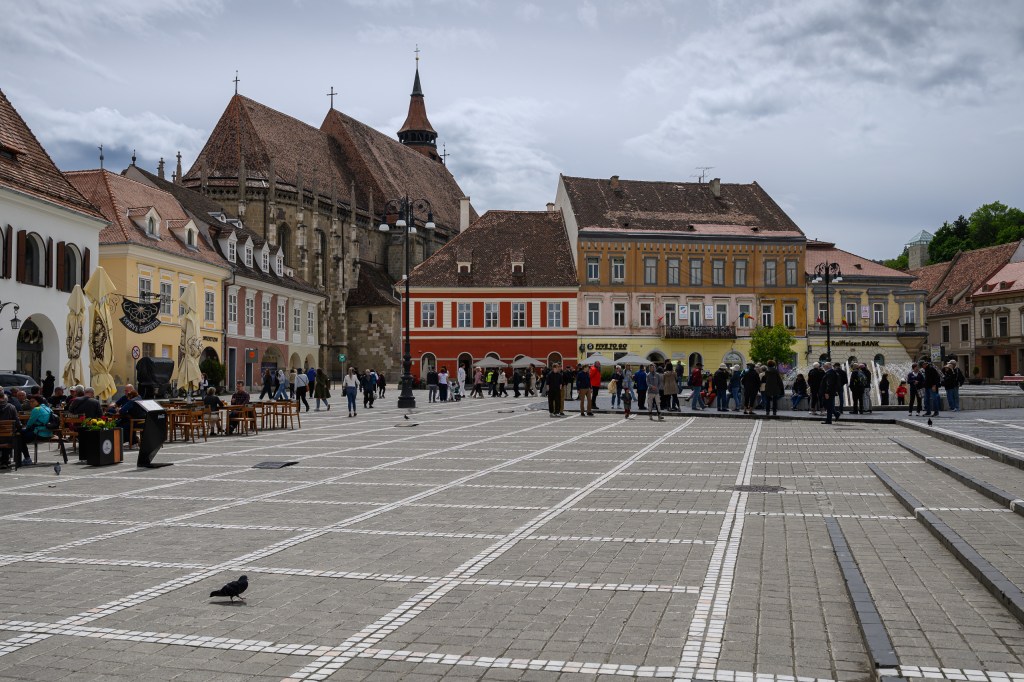
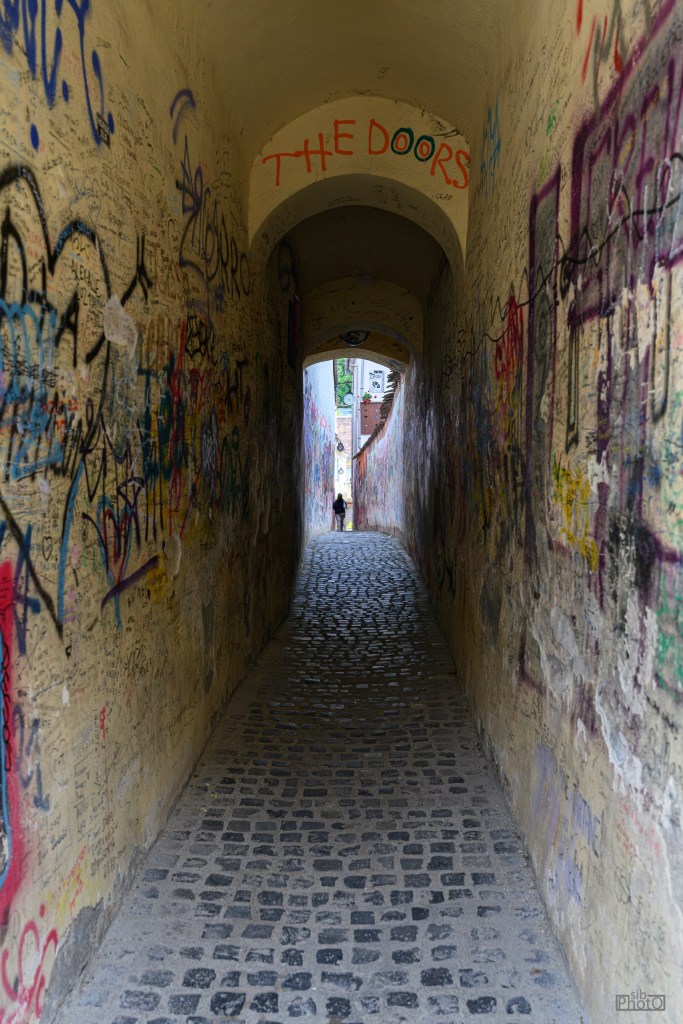
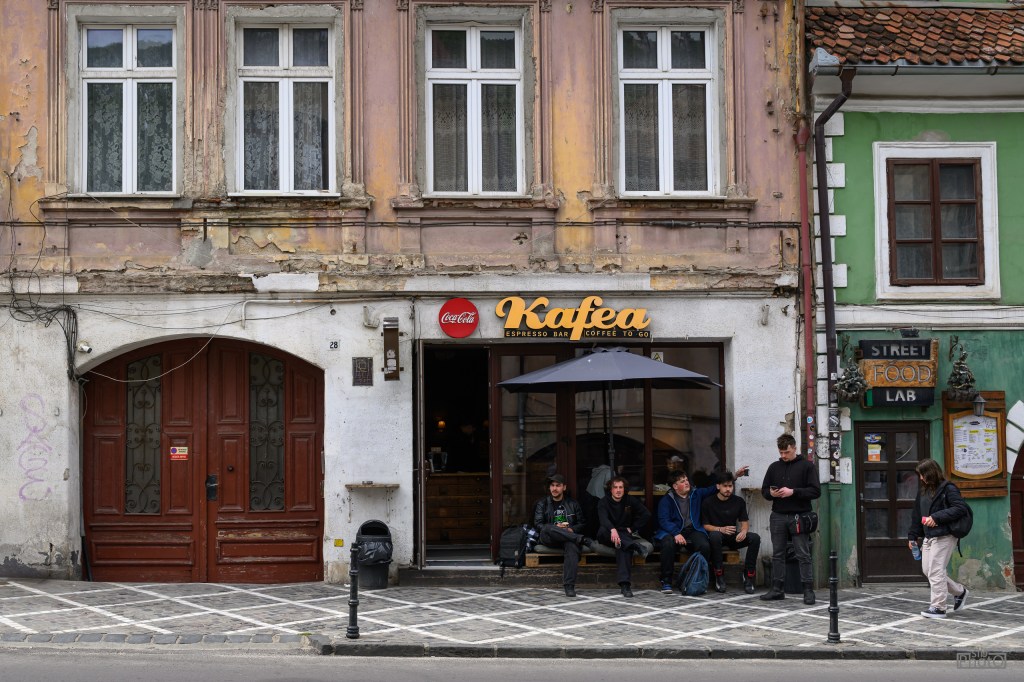
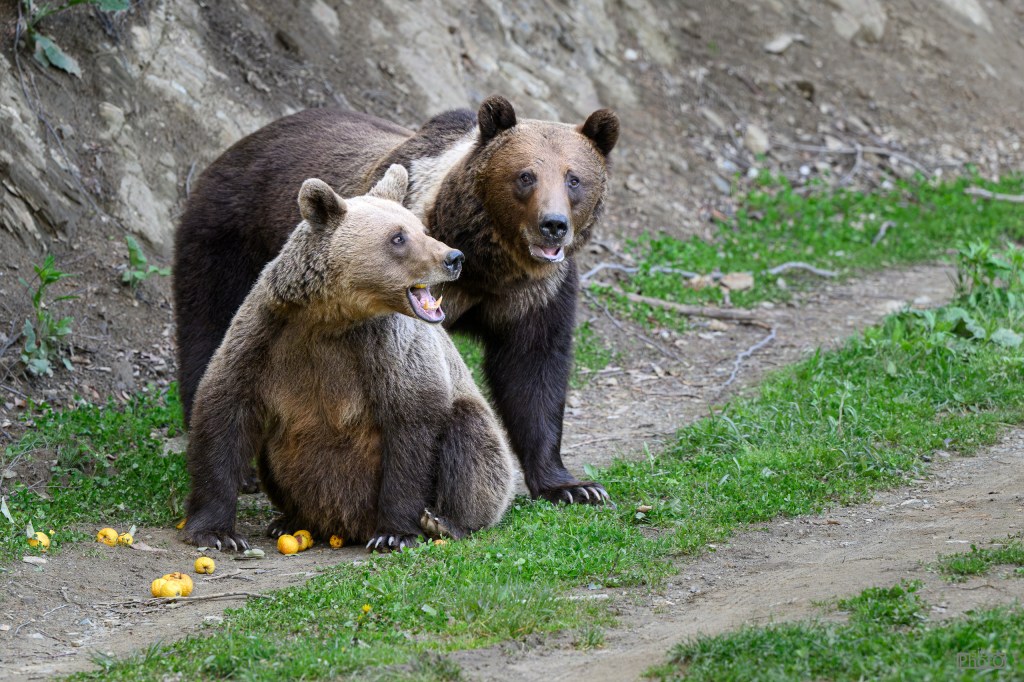
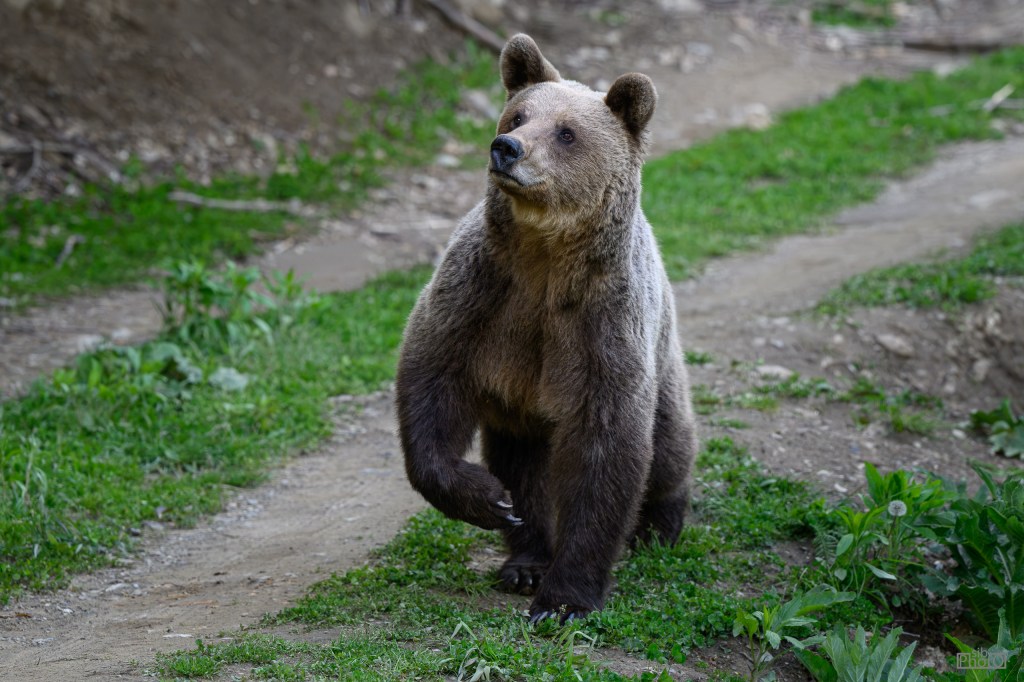
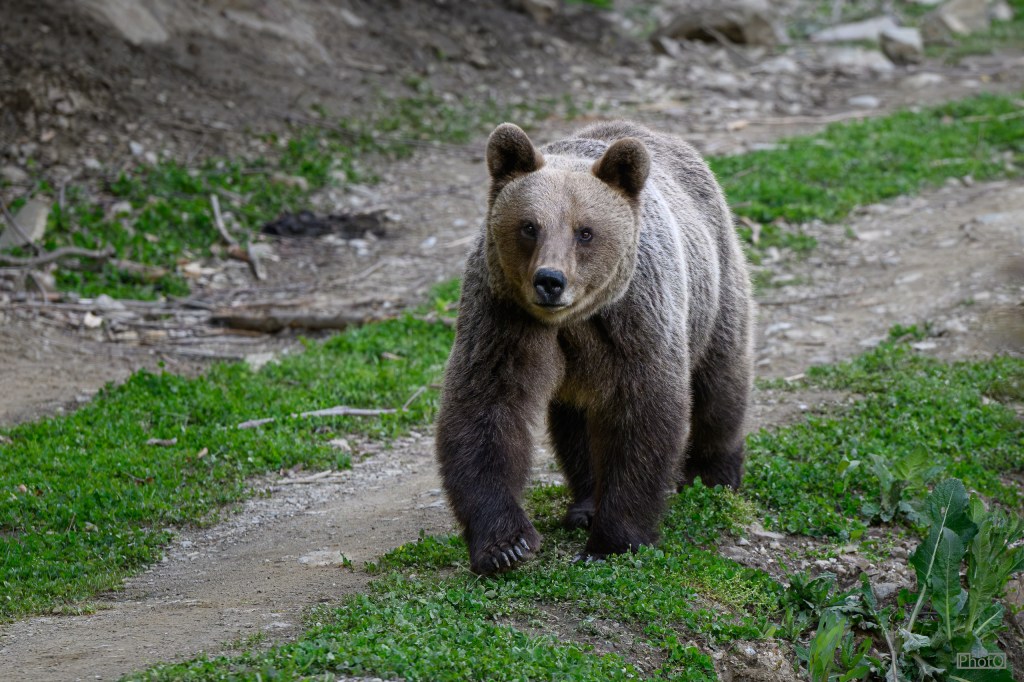
Romania supports roughly half of Europe’s wild brown bear population outside Russia: far too many for the habitat remaining to them. In Zărnești, the Libearty Sanctuary maintains 69 hectares of fenced oak and hazel forest for animals rescued from small roadside cages, circuses, and private pens. A short drive east, the Saxon merchant center of Brașov sits against the base of Mount Tâmpa. In Piața Sfatului, the massive stone buttresses of the late fourteenth-century Black Church dominate the main square, while nearby Strada Sforii forms an extremely narrow pedestrian corridor between brick tenements. At dusk in the neighboring Bârsa Valley, wild bears move down from the spruce timber into forest clearings to be fed (in a state-sponsored effort to reduce bear-human conflict), photographed through the reinforced viewing slits of an earthen hide.
Libearty Bear Sanctuary (Zărnești)
Brașov Old Town
Bârsa Valley Wild Bear Hide
10. Royal Alpine Splendor & The Stone Giants: Sinaia to Bucharest
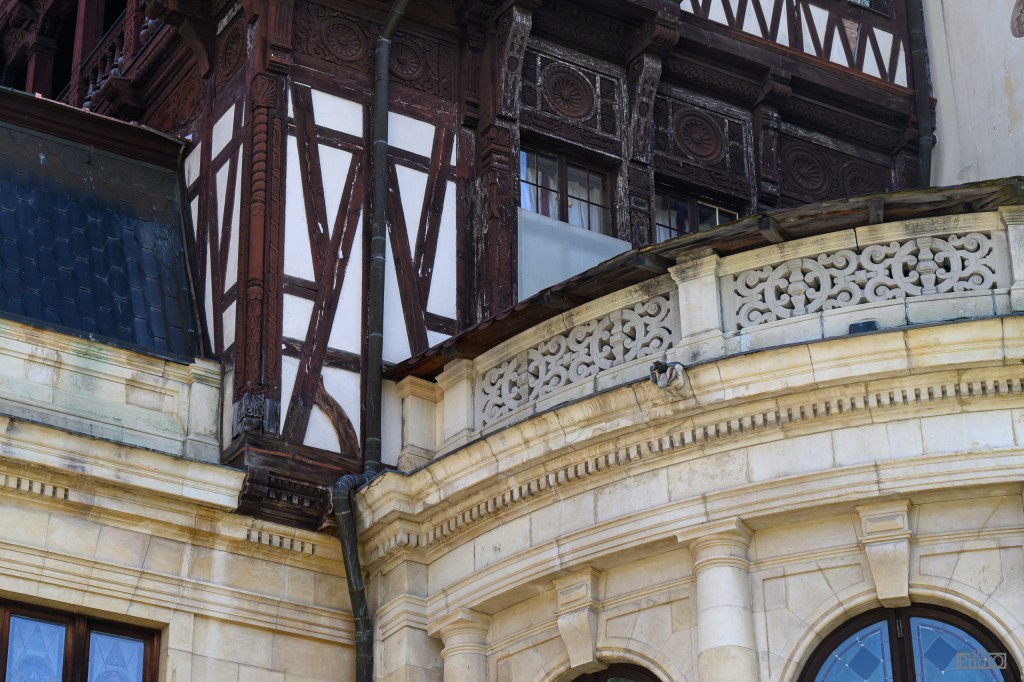
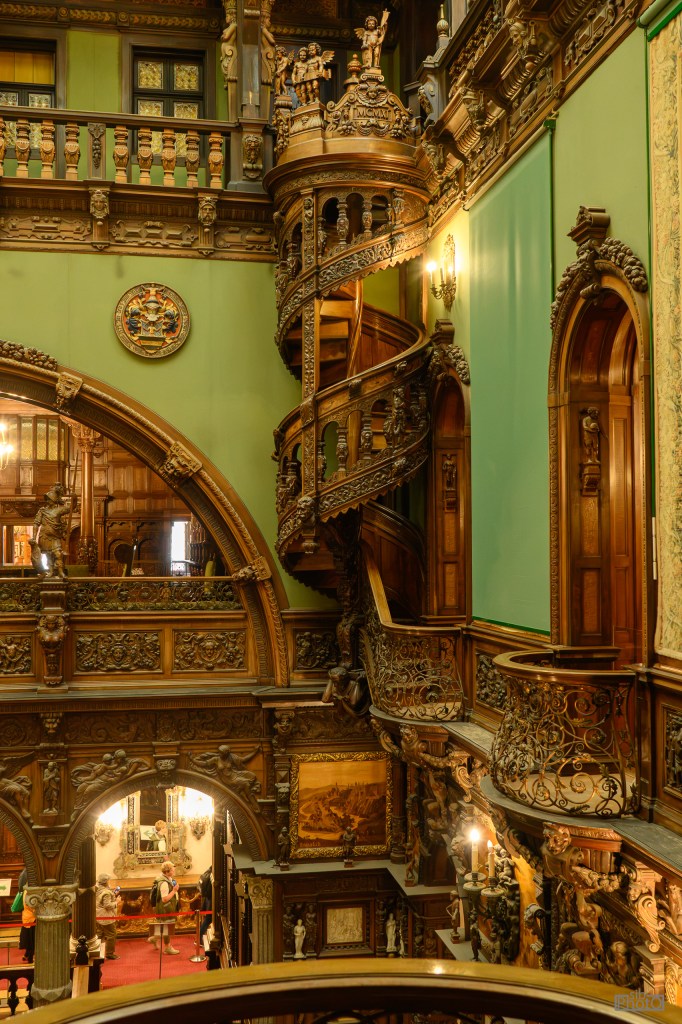
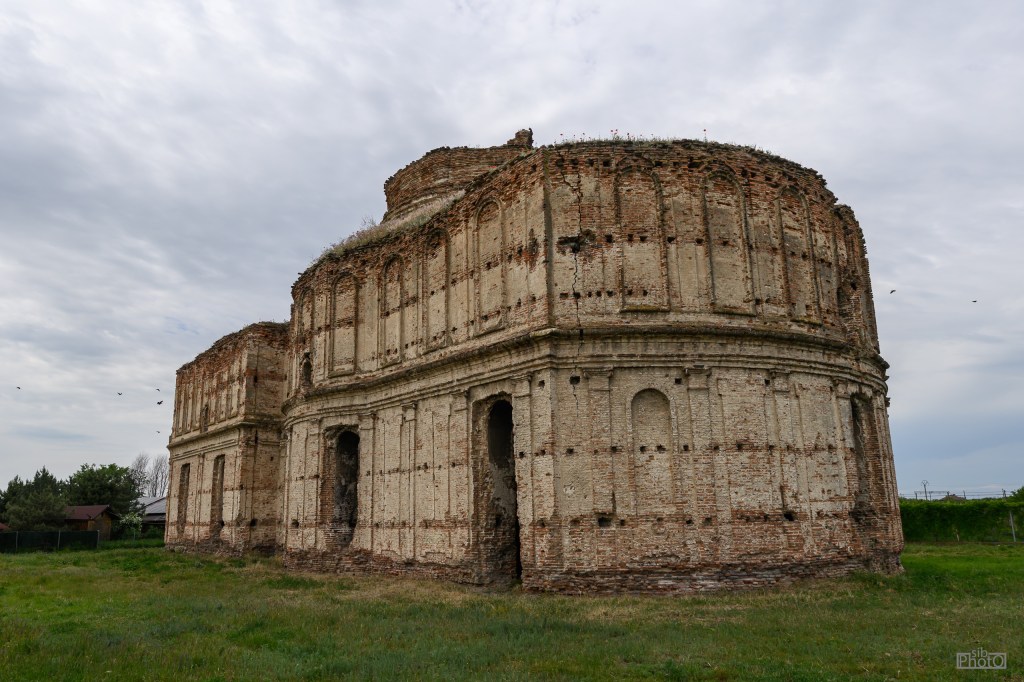
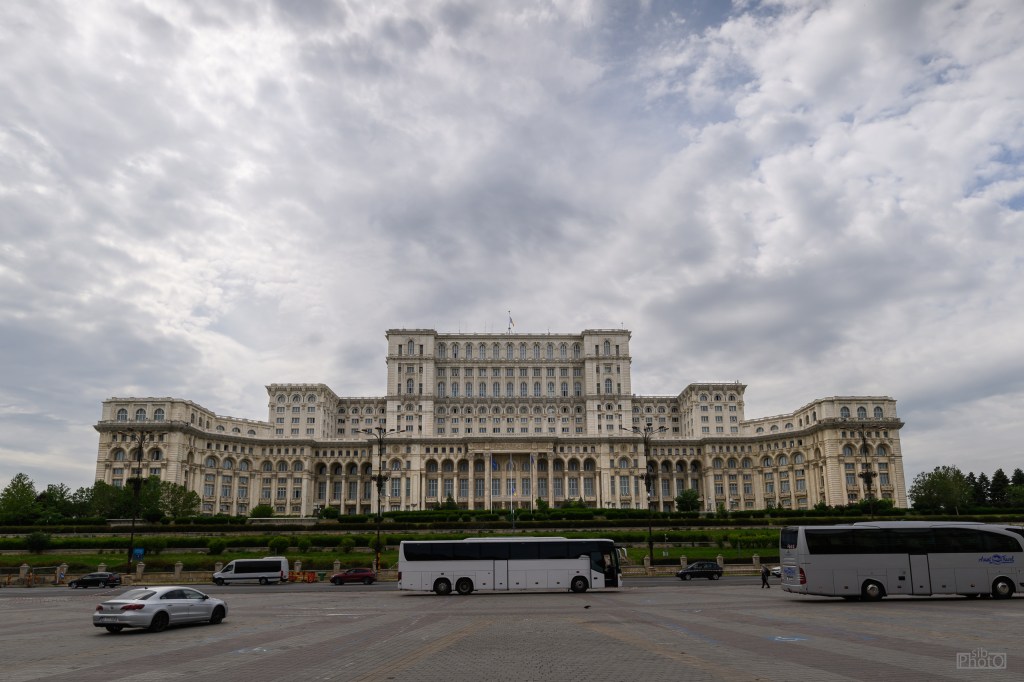
Crossing the Bucegi Mountains into Wallachia brings a change in architectural style. In Sinaia, Peleș Castle was commissioned by King Carol I in 1873 as a royal summer residence, combining German Neo-Renaissance half-timbering with dense interior millwork. Inside the Hall of Honor, three stories of carved European walnut surround a spiral staircase decorated with relief panels. Two hours south on the agricultural flatlands outside Bucharest, Chiajna Monastery stands as a roofless brick shell, abandoned in the 1790s during an epidemic and never consecrated. The itinerary ends in central Bucharest before the Palace of the Parliament, Nicolae Ceaușescu’s monolithic administrative project built from one million cubic meters of Transylvanian marble, concrete, and stone: the heaviest building in the world, at more than 4,000,000 tons.
Peleș Castle (Sinaia)
Bucharest & Outskirts


Leave a Reply