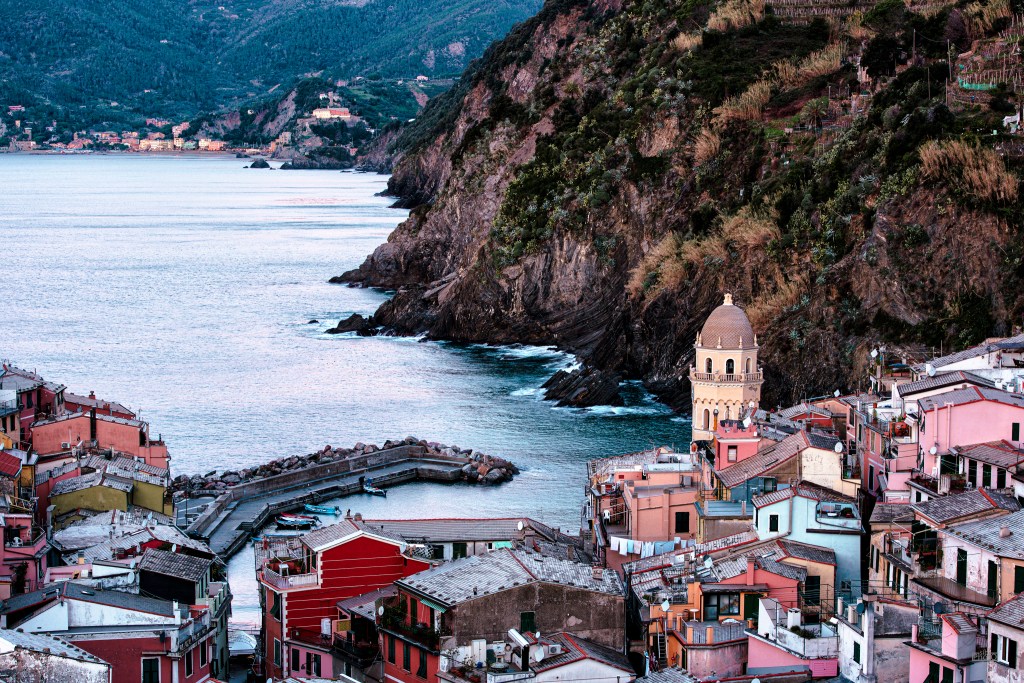
We visited Italy in late December, spending our time in Rome, the beautiful Cinque Terre, Naples, Capri, and more. We even got to experience the first real snowfall on the Amalfi Coast in more than 30 years. The winter visit provides a very different feeling from the crowds and chaos of the high season.
Cinque Terre
The Cinque Terre is a coastal area in Liguria, northwest Italy. Comprising five villages—Monterosso al Mare, Vernazza, Corniglia, Manarola, and Riomaggiore—Cinque Terre enchants visitors with its rugged beauty along the Italian Riviera. Perched on cliffs that cascade into the sparkling Mediterranean Sea, these ancient fishing villages were once only accessible by mule tracks, rail, or water. Today, they offer a blend of breathtaking scenery, vibrant local life, and a sense of tranquility that beckons travelers to immerse themselves in this unique place.
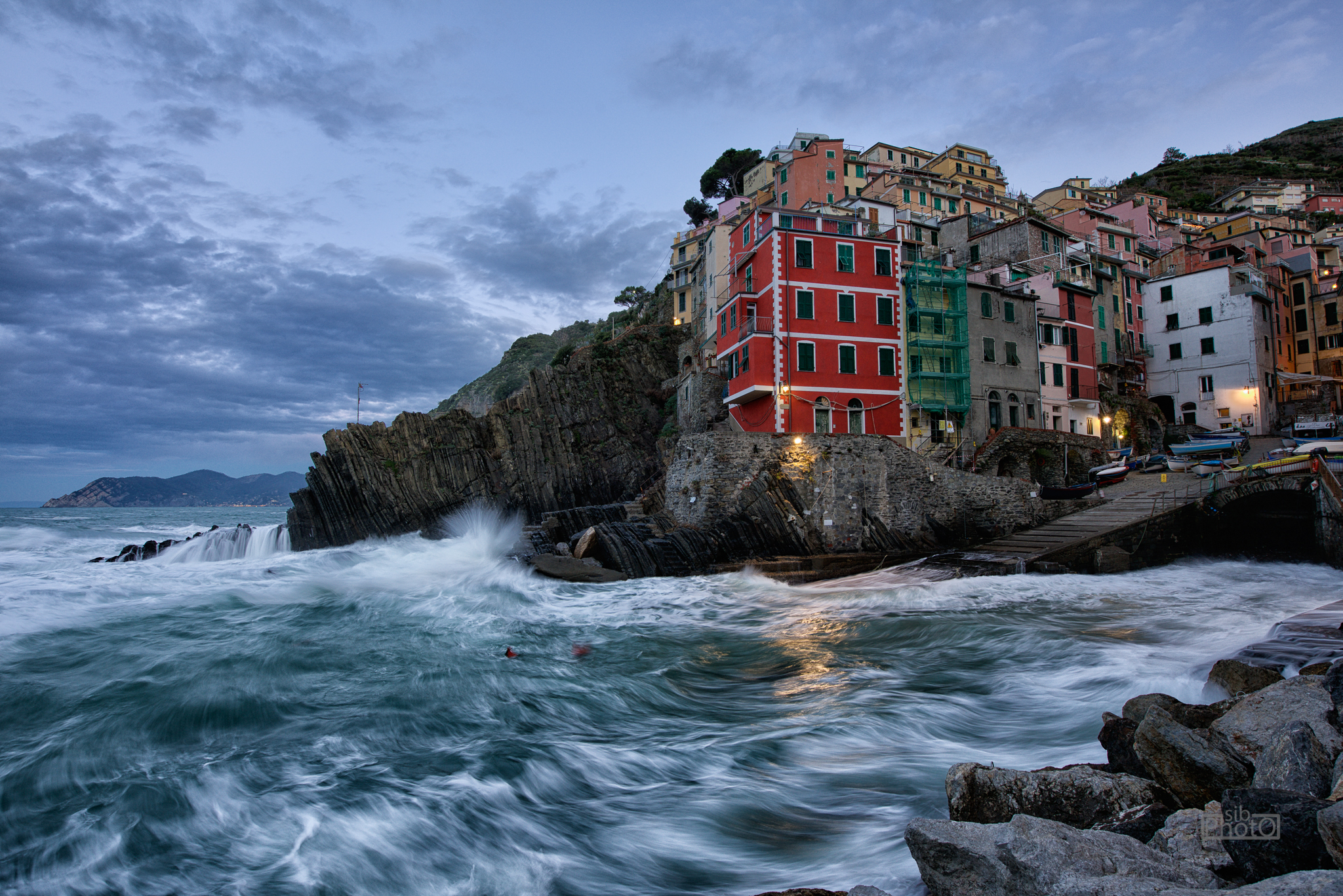
We woke up early (well before sunrise) to travel from our lodging in Vernazza to Riomaggiore. It’s a short train ride to the southernmost of the five towns, but the trains are infrequent at this time of morning. Having the town and waterfront to ourselves for a bit made the early morning worthwhile.
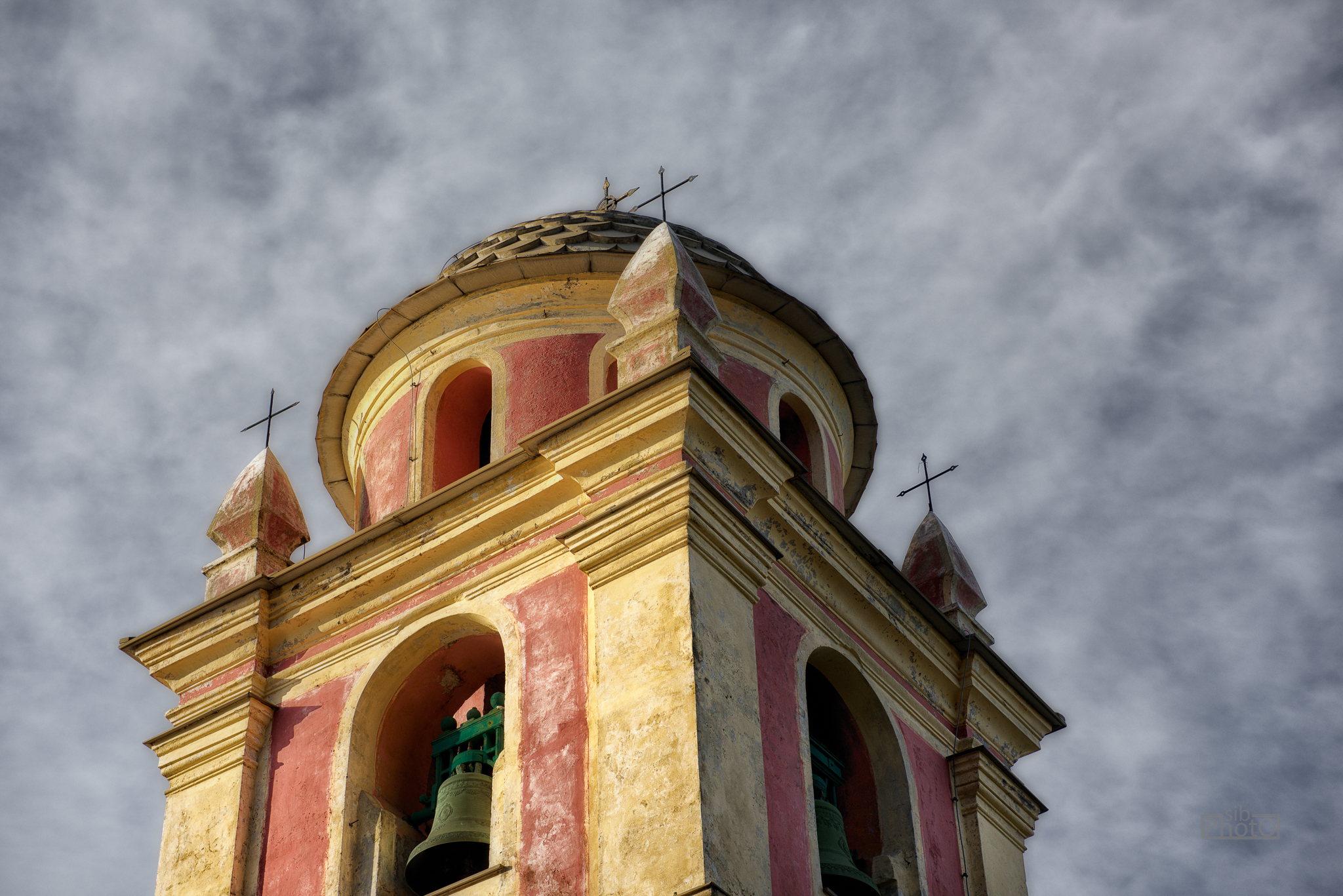
For some exercise, and to work off all the delicious food, take a one-hour hike from central Riomaggiore up the hillside, along the river and through the vineyards, and visit the Shrine of Our Lady of Montenero. The views of the town and ocean are amazing, and the shrine is beautiful.
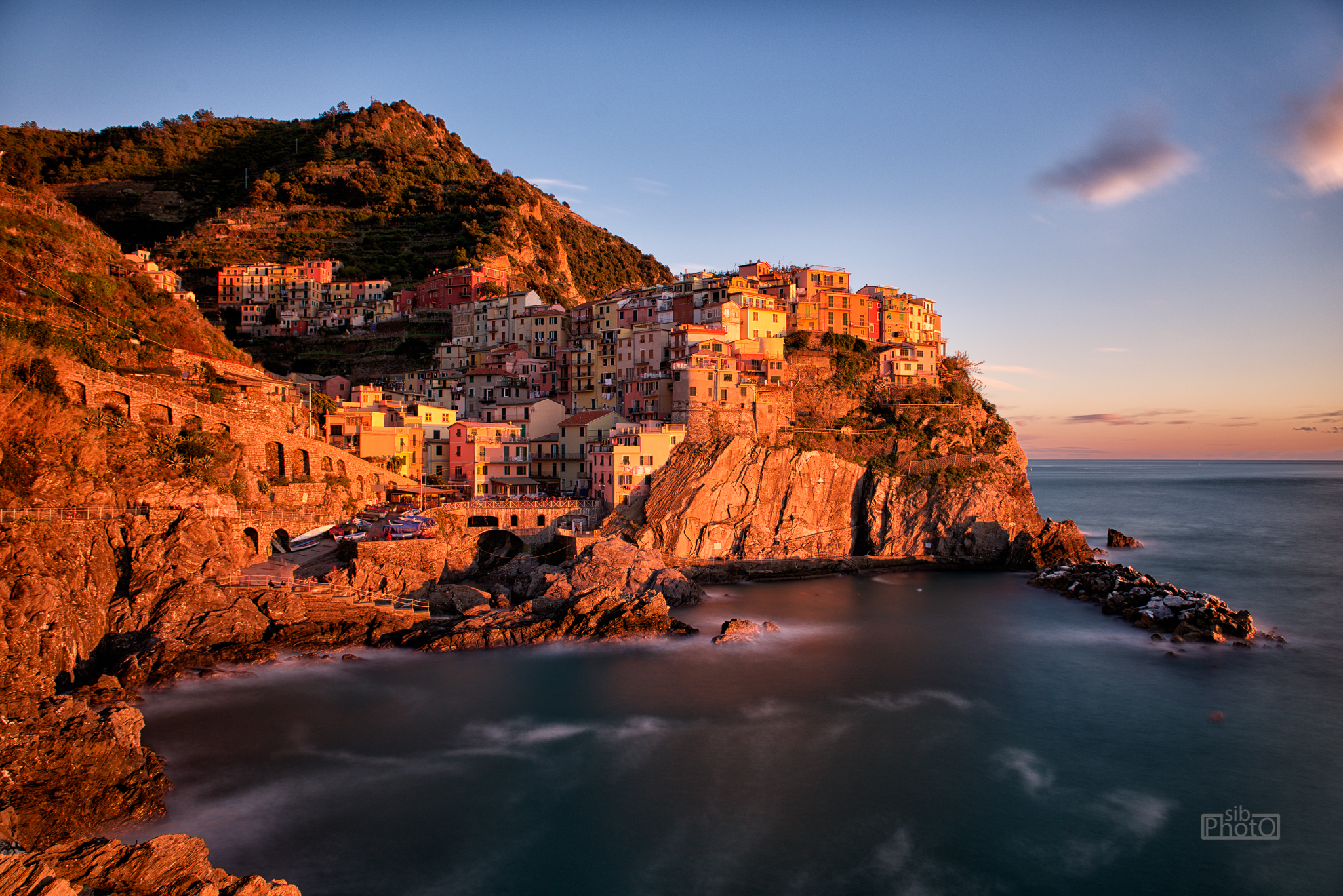
Later the same day, we made our way to Manarola, the oldest of the five towns, and were lucky enough to catch sunset illuminating the village. With a population of about 350, and a church dating from the 14th century, this is a classic small town, with narrow alleys and colorful buildings to explore.
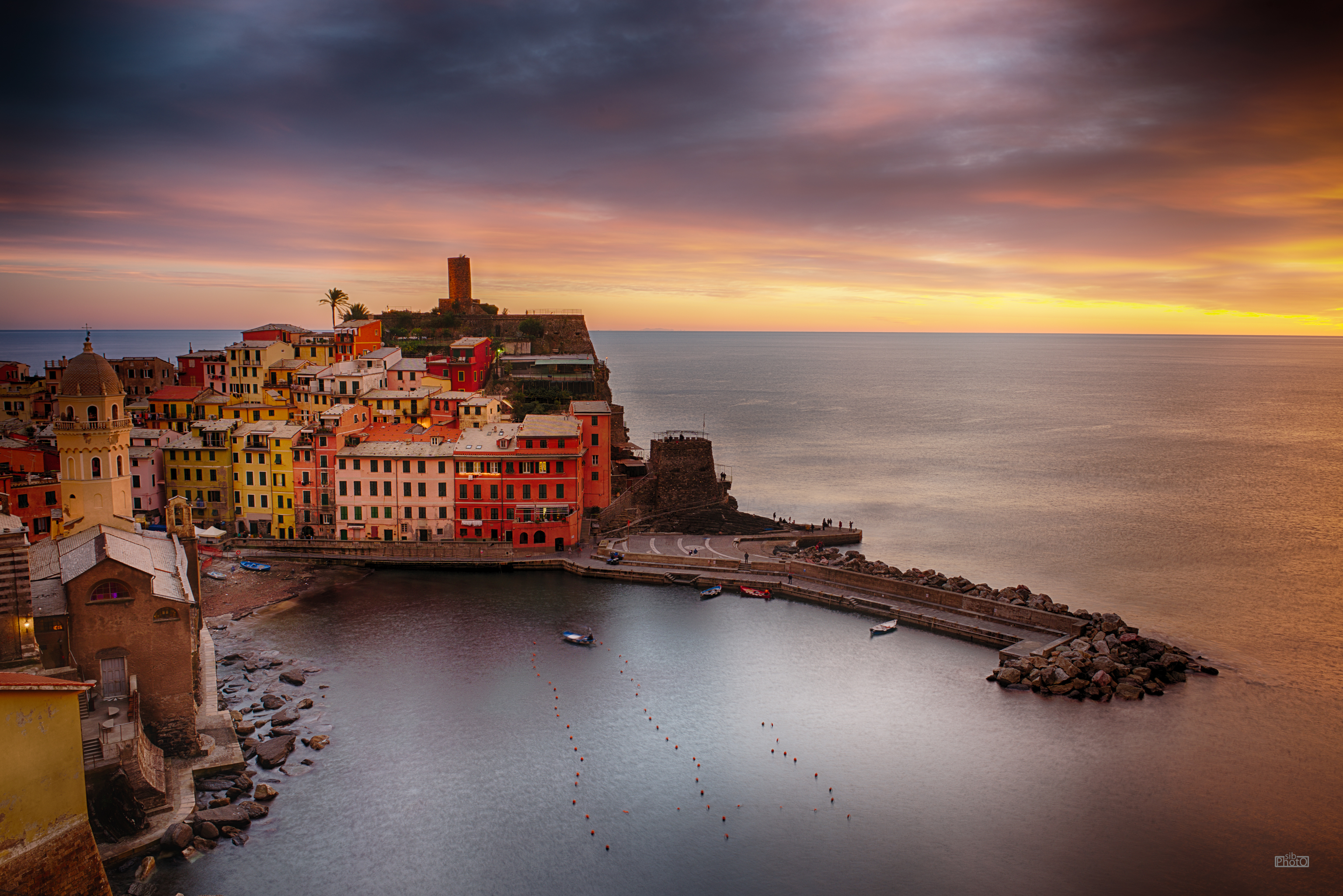
One of the largest of the Cinque Terre towns, Vernazza is the second from the north end. It has a natural port, protected by a harbor wall, which is connected to the railway station by a short “main street” (no cars, just pedestrians). We rented a small place about 50 yards from the station, which made a very convenient home base for exploring the region over our 4-day stay.
The old Doria Castle – built as a lookout for pirates – can be seen at the top of the hill and the 14th-century Church of Santa Margherita d’Antiochia is at the left edge of the image.
Pisa
We took a quick day trip to Pisa, in Tuscany, central Italy. The city straddles the Arno River and is the capital of its province and was once a wealthy maritime republic. Full of historic squares and beautiful buildings, it’s well worth a visit.
The Cathedral of Santa Maria Assunta, also known as the Duomo di Pisa, is a masterpiece of Romanesque architecture located in the famous Piazza dei Miracoli (Square of Miracles). Its interior demonstrates unique architecture, with raised arches, alternating bands of black and white marble, and an unusual elliptical dome inspired by Moorish design.

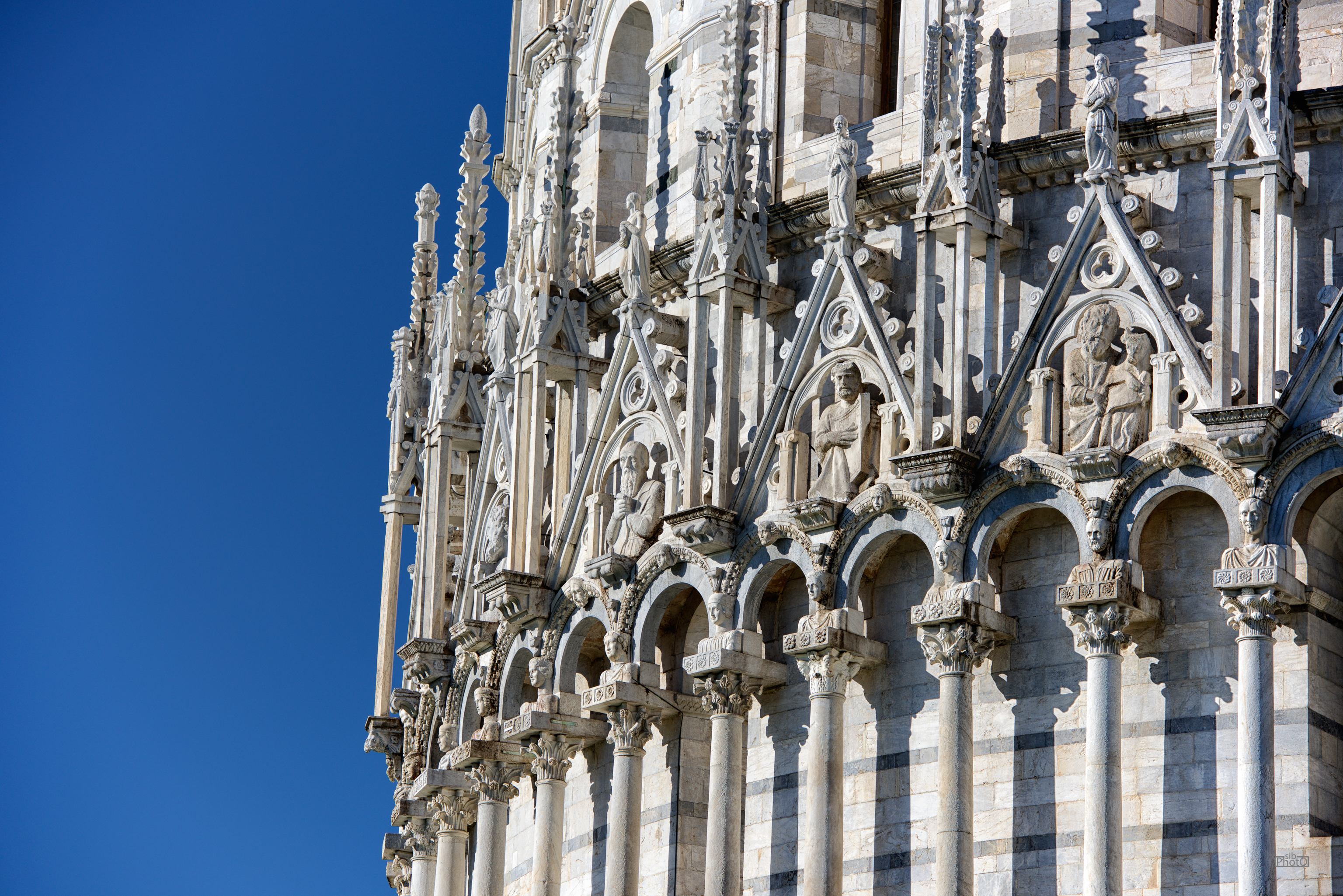
The Baptistery of San Giovanni Battista in Pisa is a remarkable example of architectural transition from the Romanesque to Gothic styles. It is enormous, standing about 55 meters high with a circumference of 107 meters, making it the largest baptistery in the world. Construction of this magnificent structure began in 1153 under the direction of architect Diotisalvi and continued for over two centuries.
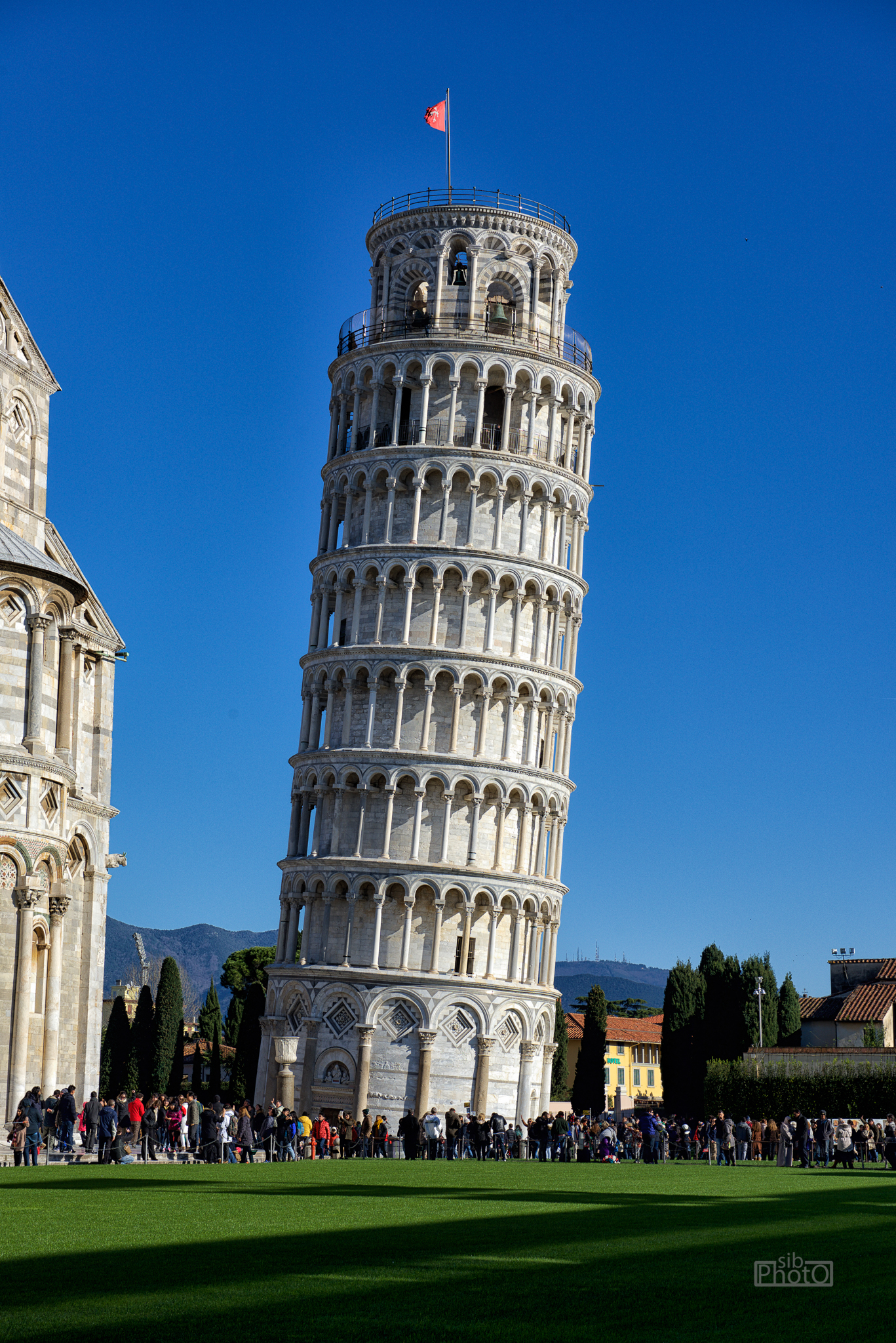
We’ve both been fascinated by the famous Leaning Tower (Torre Pendente) since childhood and it turns out that it’s still there and still leaning (and still crowded – apparently other people are also fascinated!) The lean was reduced and stabilized through remedial work in the 1990’s from 5.5′ to about 4′. It still looks pretty crooked…
Pompeii
We visited the captivating ruins of Pompeii, an ancient Roman city located in Campania, Italy. Situated 14 miles (23 km) southeast of Naples, at the base of Mount Vesuvius, Pompeii was preserved in time when a massive eruption from the volcano on August 24, 79 CE, showered the city with volcanic debris, followed by blisteringly hot gases the next day. The city, buried under layers of volcanic ash, was unearthed in the 19th and 20th centuries, offering a remarkable glimpse into everyday life in ancient Rome.
Pompeii’s amphitheater, one of the first built in stone, was also buried during the eruption of Vesuvius.

Throughout Pompeii are many buildings containing small stone rooms connected by passages. We wandered through and enjoyed the silence of a cold winter day without crowds.

The Romans used a machine called a Trapetum to press olives and acquire olive oil; it consists of a large stone bowl with two round stones attached to a central axle and mounted on a post.

Positano
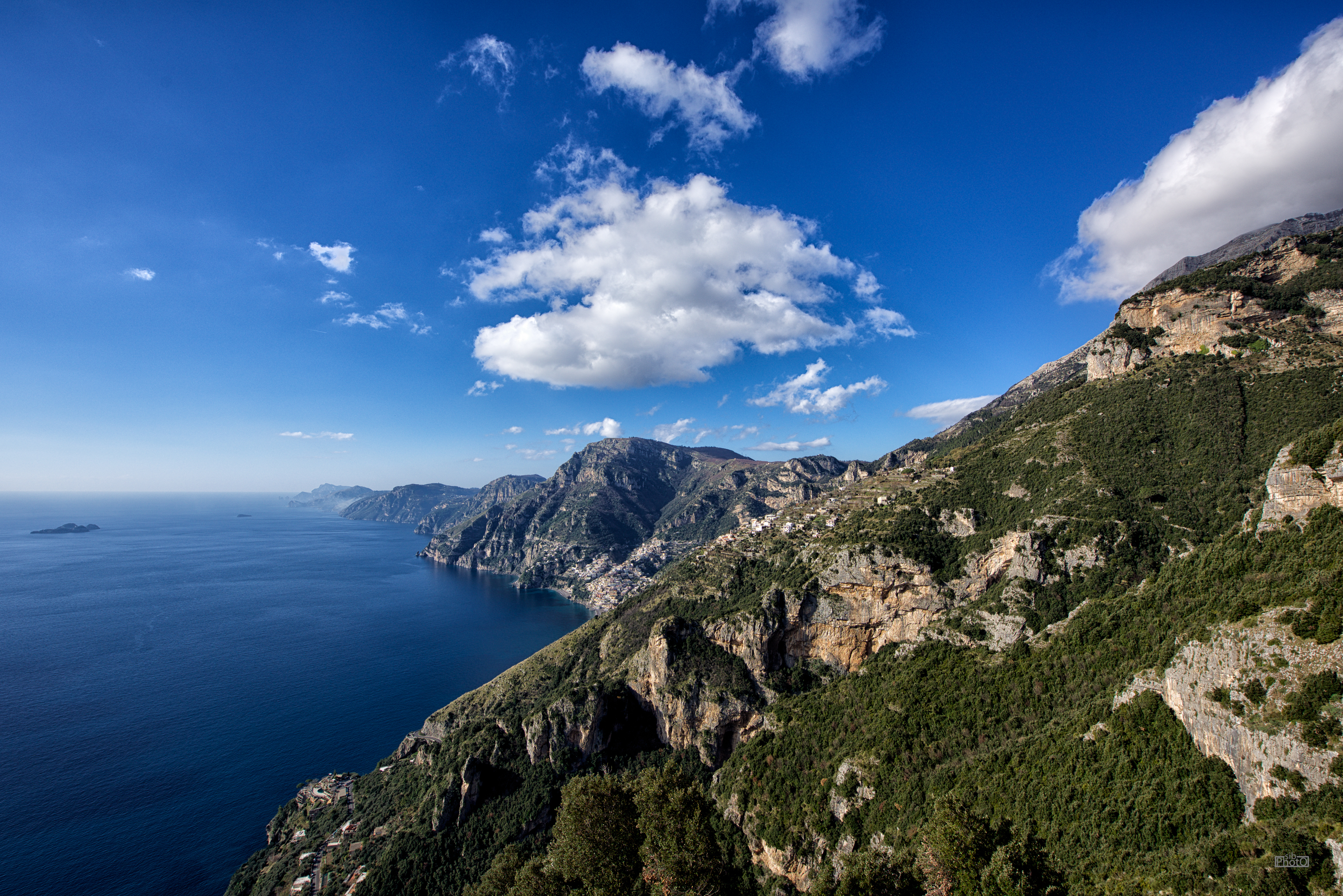
At the end of our trip, we did the famous Path of the Gods hike above Positano. This iconic walk is about 4.5 miles long and took about 3 hours – the views of the coast are unparalleled.
We had an amazing trip to Italy, full of great food, beautiful scenery, and amazing architecture. We highly recommend visiting in the off-season, even though it was a bit cold.


 Fernweh
Leave a comment