We visited Italy in late December, dividing our time among Rome, the Cinque Terre, Naples, Capri, and the Amalfi Coast. The timing gave the trip a different character from a summer visit: shorter days, cold weather, and far fewer people. On the Amalfi Coast, we even encountered what we were told was the first substantial snowfall in more than 30 years.
Cinque Terre
The Cinque Terre consists of five ancient villages on the Ligurian coast: Monterosso al Mare, Vernazza, Corniglia, Manarola, and Riomaggiore. The settlements occupy steep ground between the hills and the Mediterranean, linked by rail, trails, and boats. In late December, the villages were quiet enough that we could photograph their harbors and streets without the high-season crowds.
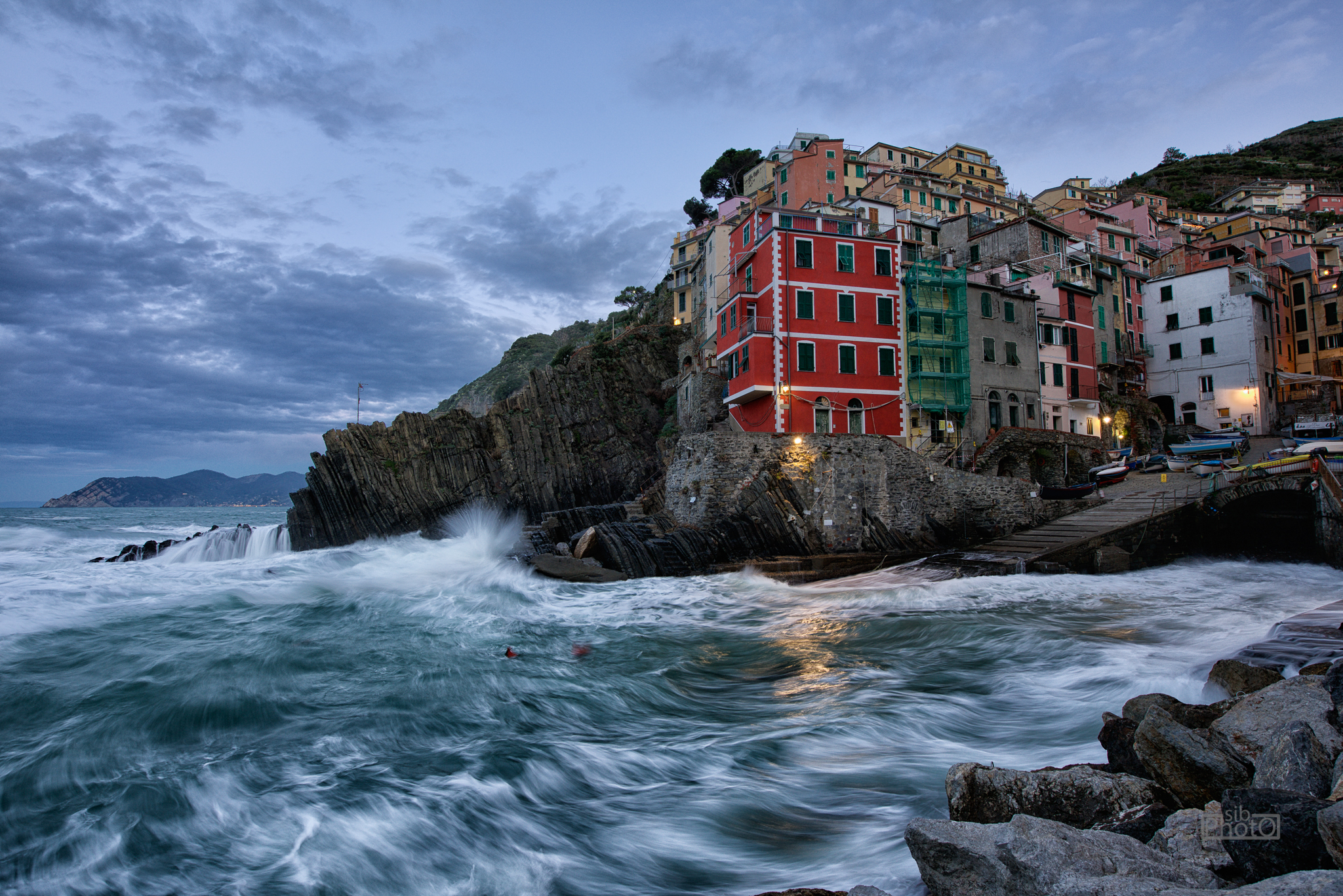
We woke well before sunrise and took the train from our lodging in Vernazza to Riomaggiore, the southernmost of the five towns. It is a short ride, although trains are infrequent at that hour. For a while, we had the waterfront almost to ourselves. That made the early alarm easier to forgive.
From central Riomaggiore, we hiked uphill along the river and through vineyards to the Shrine of Our Lady of Montenero. The walk takes about an hour and gains enough elevation to open up a broad view of the town and coast. It also helped justify another large and delicious Italian meal.
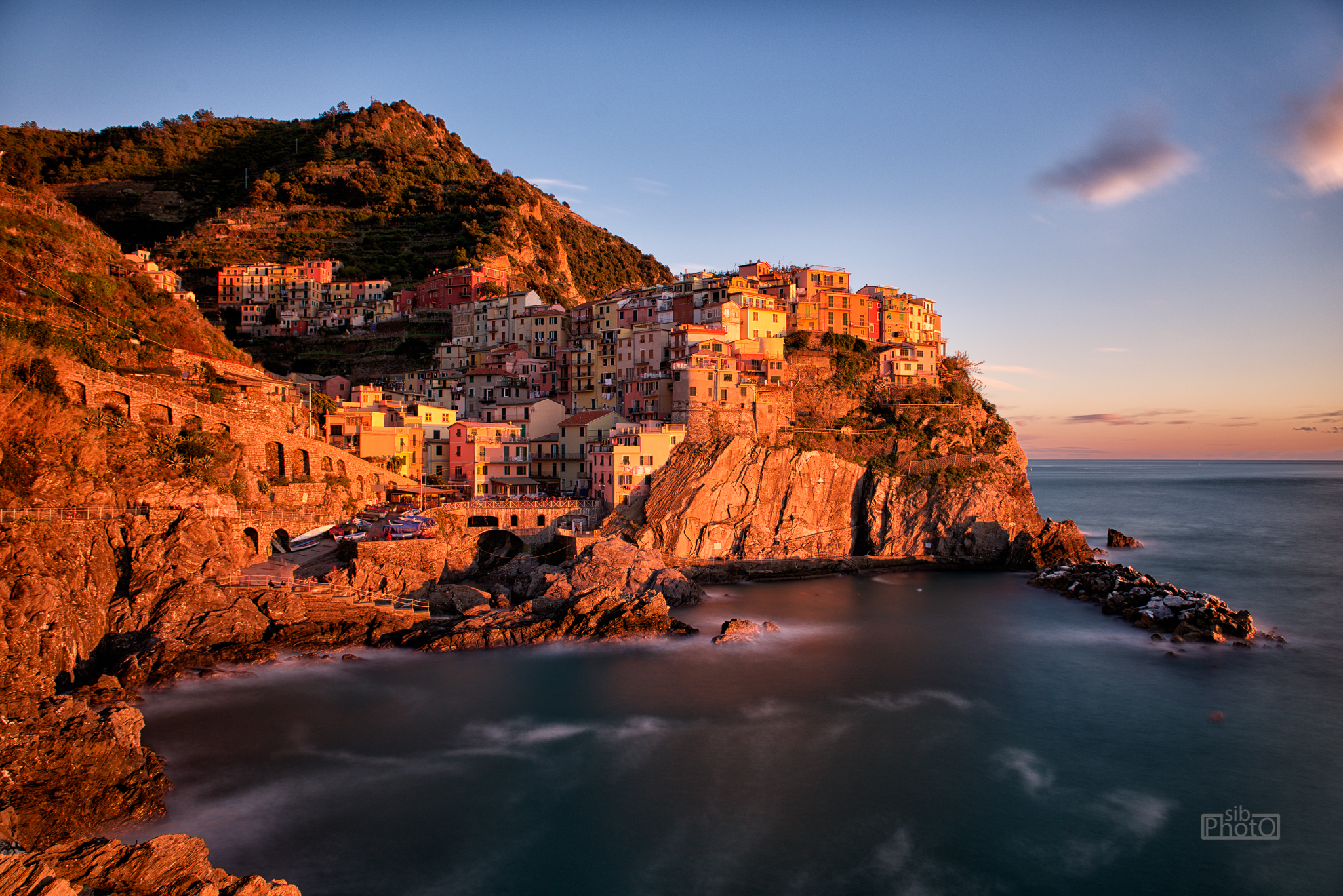
Later that day, we went to Manarola and caught the last light on the village. Manarola is thought to be the oldest of the five towns. Its narrow lanes, tightly packed houses, and 14th-century church climb the slope above the small harbor.
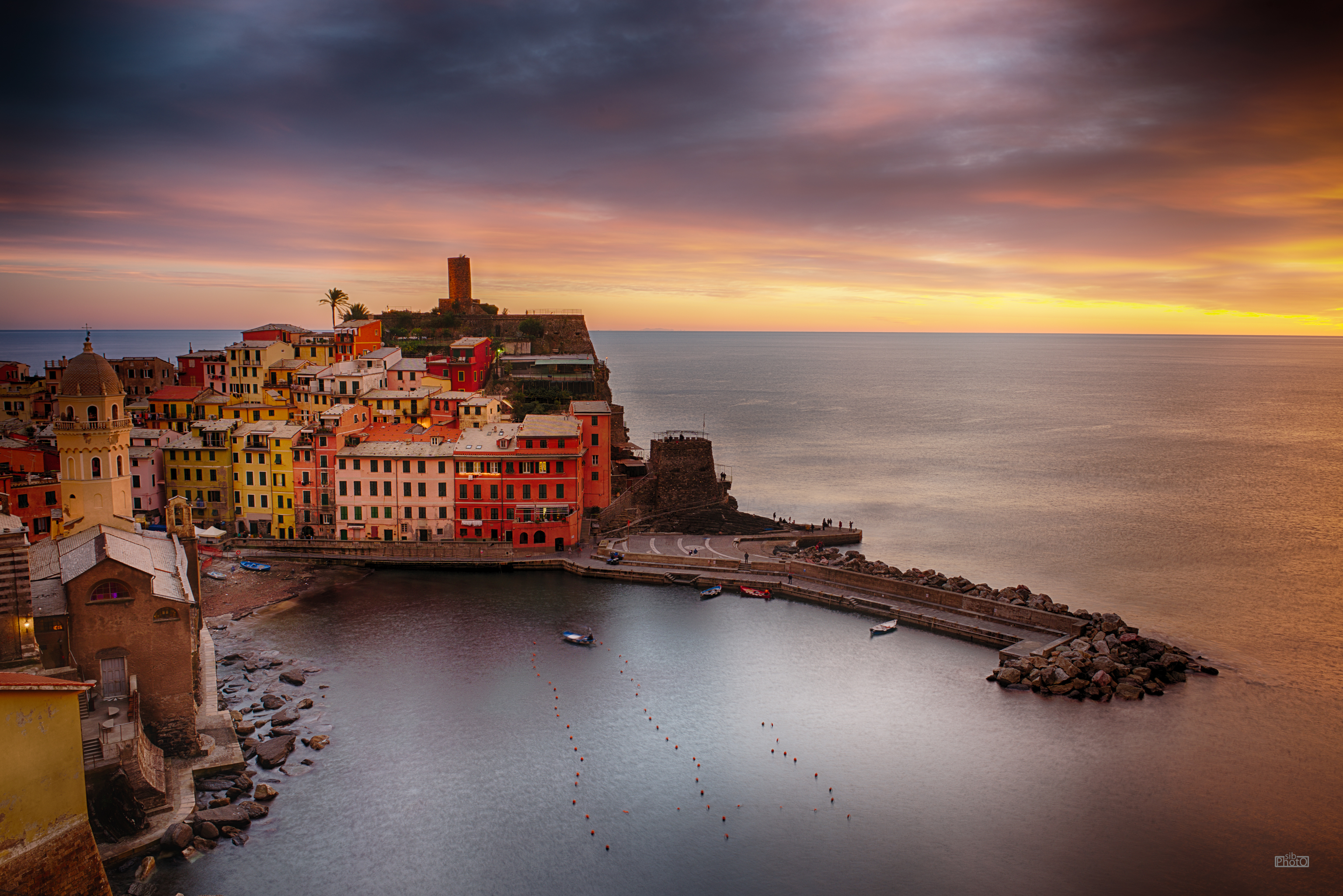
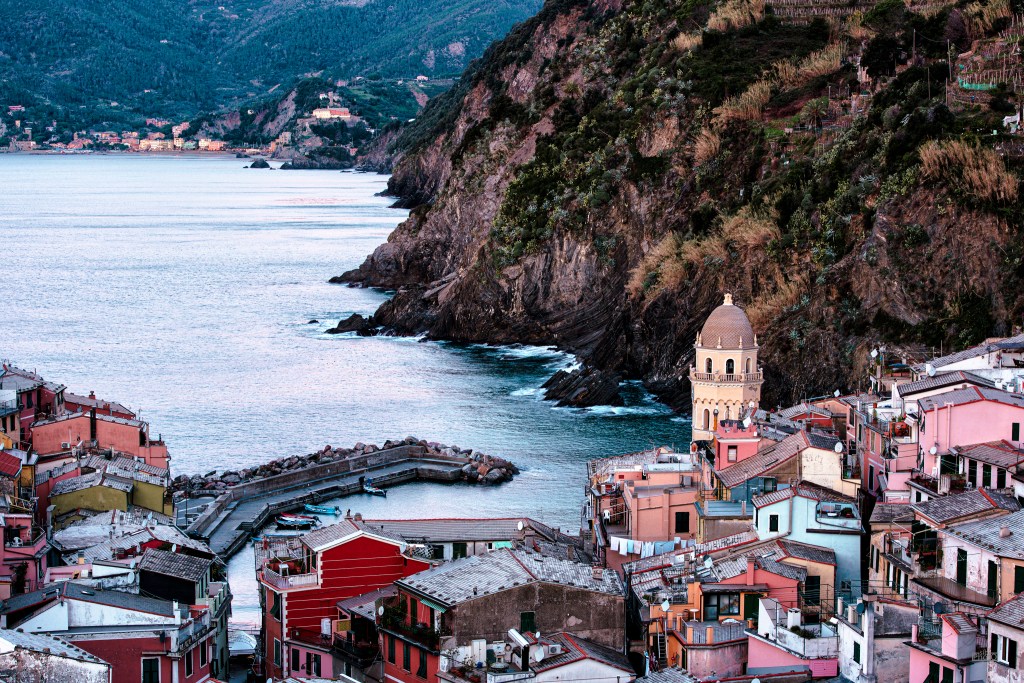
Vernazza, the second village from the northern end of the Cinque Terre, has a natural harbor protected by a breakwater. A short pedestrian street connects the waterfront with the railway station. We rented a small place about 50 yards from the station, which made a practical base for our four-day stay.
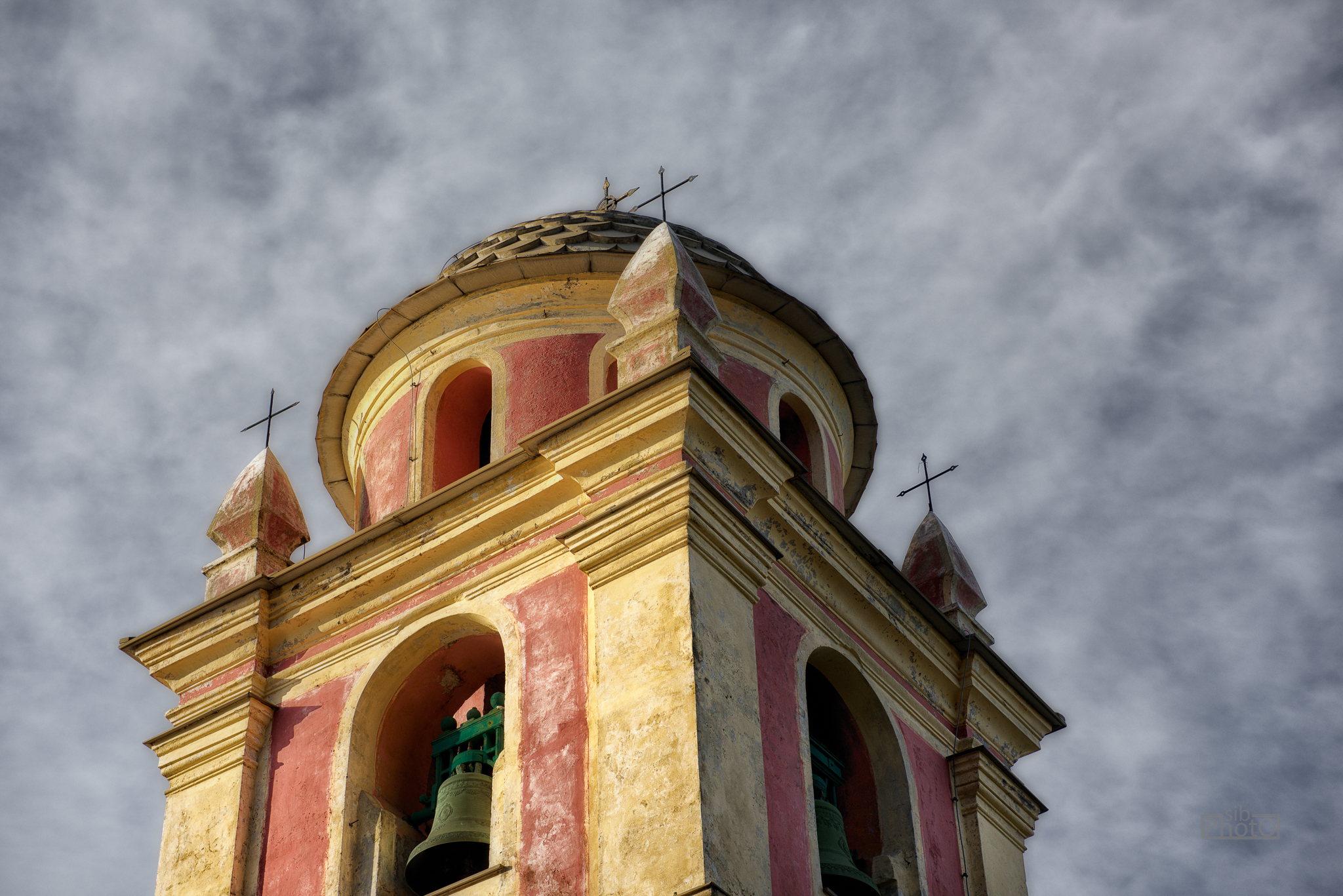
The Doria Castle, built as a lookout against pirates, is visible at the top of the hill. The 14th-century Church of Santa Margherita d’Antiochia appears at the left edge of the photograph.
Pisa
We made a quick day trip to Pisa, a former maritime republic on the Arno River. Most of our time was spent in the Piazza dei Miracoli, where the cathedral, baptistery, and leaning campanile stand close together.
Inside the Cathedral of Santa Maria Assunta, raised arches and alternating bands of dark and pale marble lead toward an elliptical dome influenced by Islamic architecture. The building is an unusually dense collection of shapes and patterns, especially when seen through a longer lens.

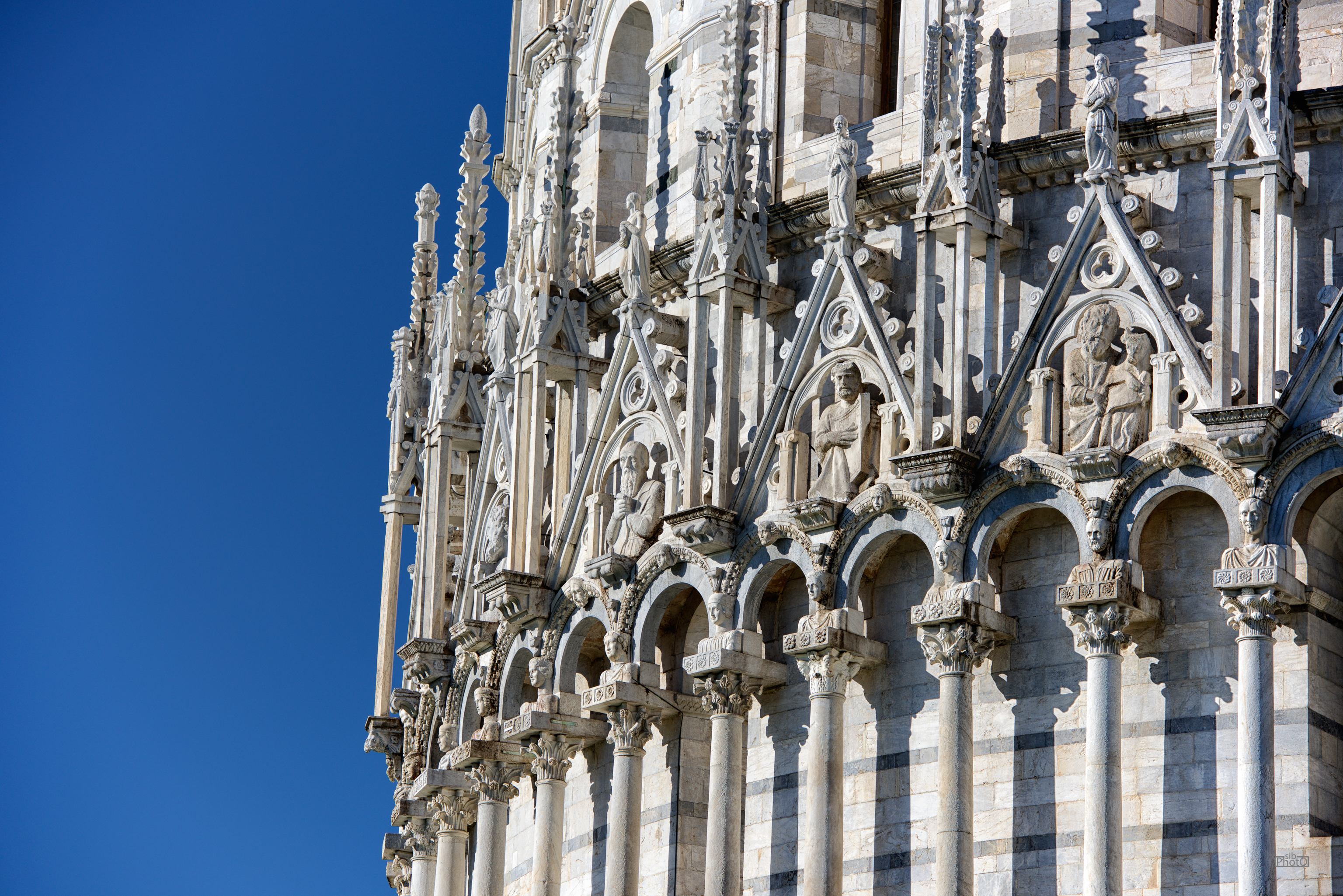
The Baptistery of San Giovanni Battista shows the long transition from Romanesque to Gothic architecture: construction began in 1153 and continued for more than two centuries. At roughly 55 meters high and 107 meters in circumference, it is the largest baptistery in Italy.
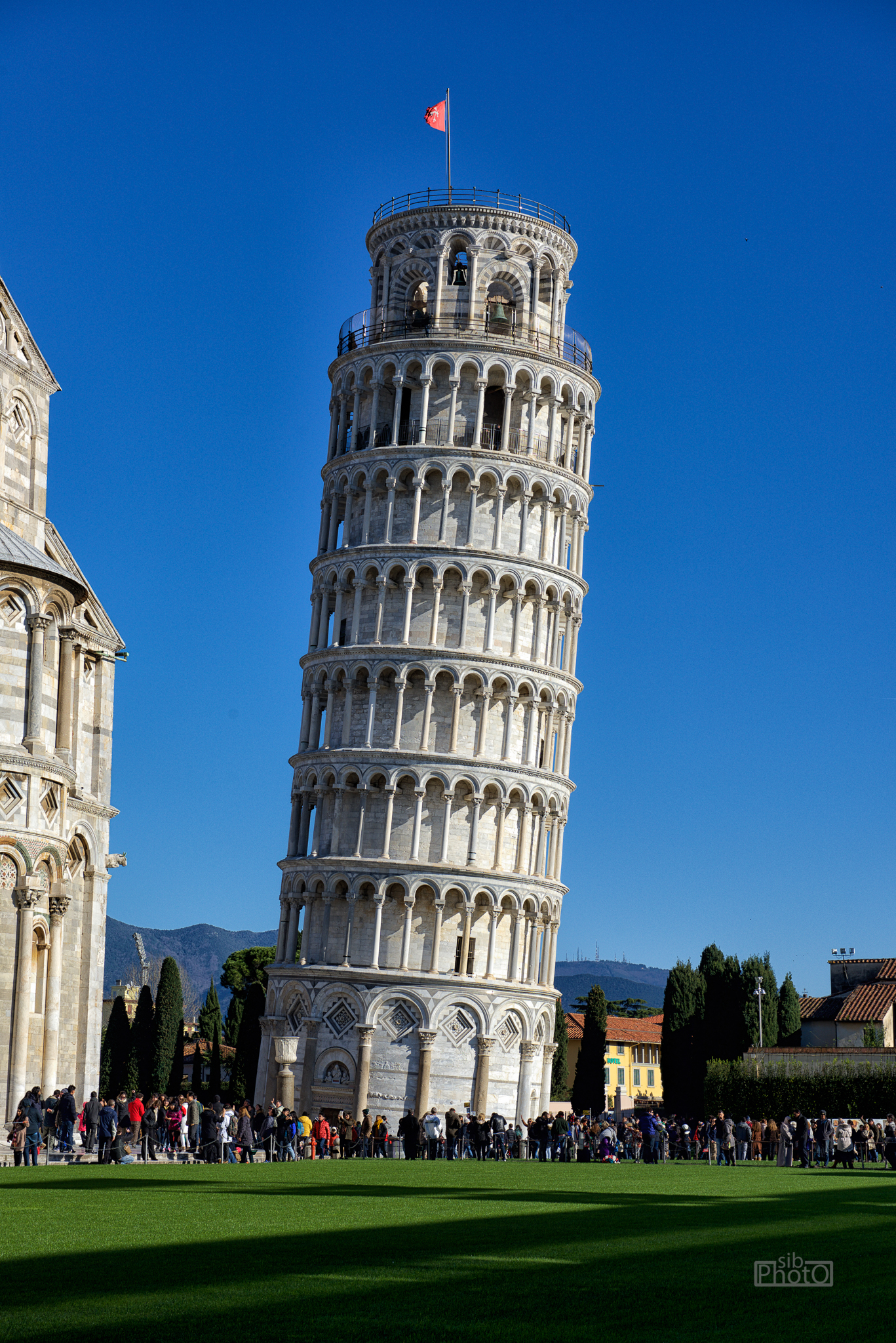
We had both been fascinated by the Leaning Tower since childhood. It turns out that it is still there, still leaning, and still surrounded by people pretending to hold it up. Stabilization work carried out in the 1990s and early 2000s reduced the tilt from about 5.5 degrees to just under 4 degrees. It still looks thoroughly crooked.
Pompeii
Pompeii lies about 14 miles southeast of Naples at the foot of Mount Vesuvius. The eruption of AD 79 buried the city beneath ash and other volcanic material, preserving streets, buildings, tools, and wall paintings that record details of daily Roman life.
Pompeii’s amphitheater was built around 70 BC and is among the earliest surviving Roman amphitheaters constructed of stone.

Many of Pompeii’s buildings contain small stone rooms connected by narrow passages. We wandered through them on a cold winter day, often without anyone else nearby. The lack of crowds made the site feel less like an attraction and more like an abandoned city.

One object that caught our attention was a trapetum, a Roman olive press. Two round stones turned inside a large stone basin, crushing olives before the oil was extracted.

Positano
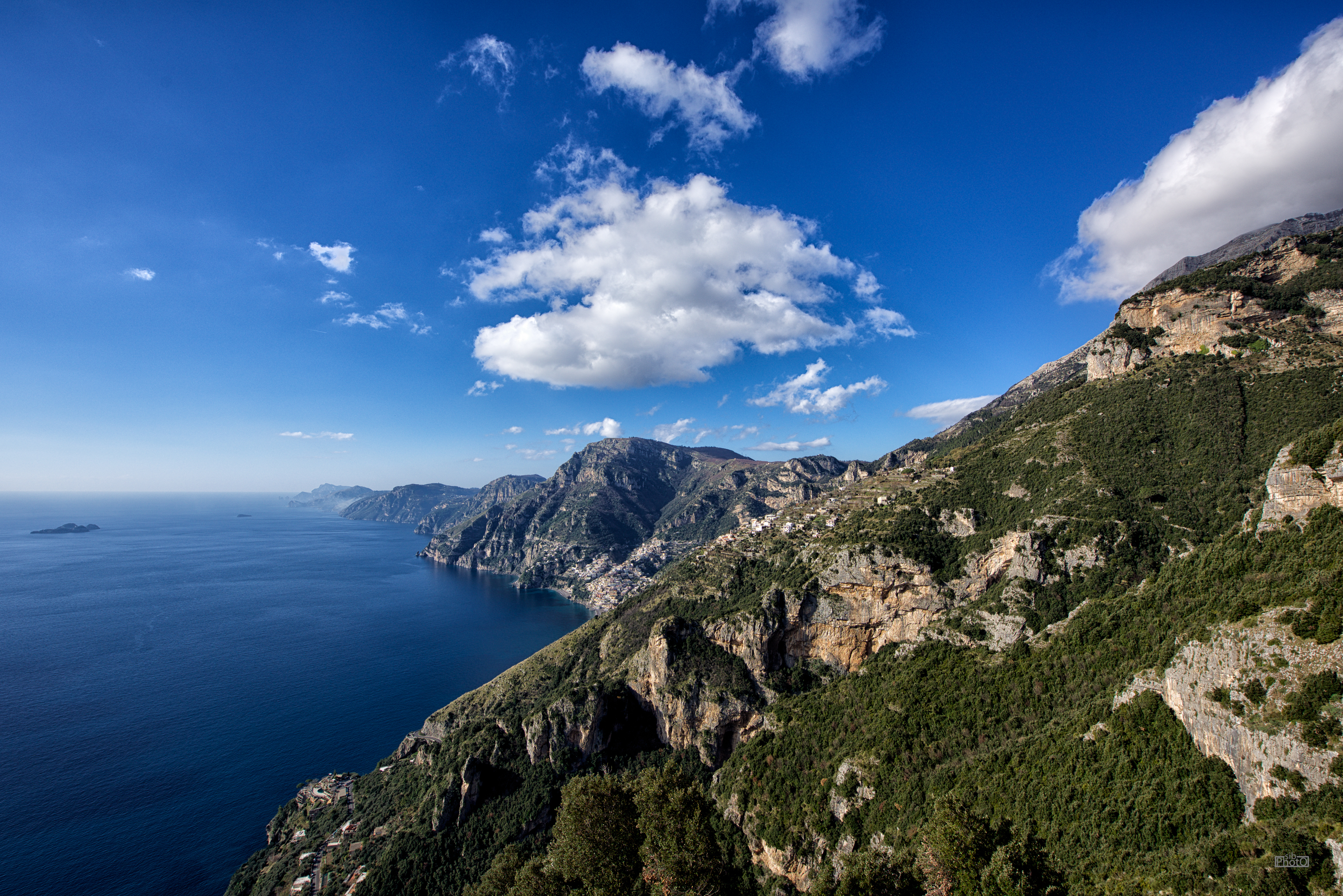
Near the end of the trip, we hiked the Sentiero degli Dei (the Path of the Gods) above Positano. The route is about 4.5 miles long and took us roughly three hours. From the trail, the hills drop sharply toward the coast, with Positano clustered below and the sea extending beyond it.
Traveling in late December meant cold mornings, limited train schedules, and the occasional closed business. It also gave us quiet streets and delicious meals in the Cinque Terre, empty passages at Pompeii, and winter light along the Amalfi Coast. For this trip, those tradeoffs were worth it.


Leave a Reply