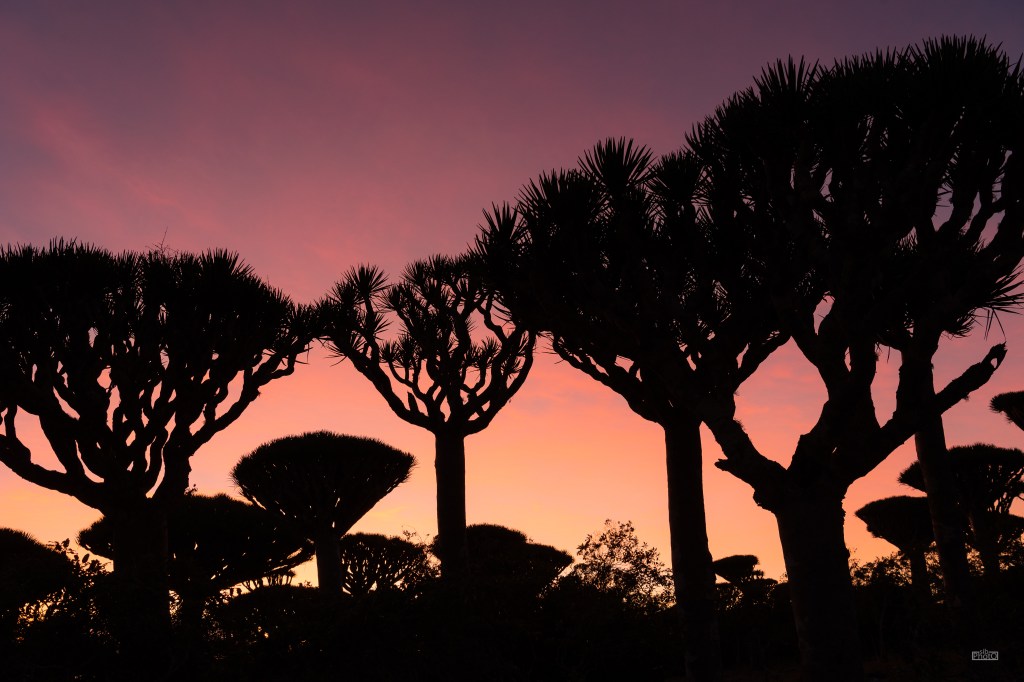
Socotra is an island about equidistant from the Yemeni mainland and Somalia, located where the Gulf of Aden and the Indian Ocean meet. The island is isolated and home to many endemic species, along with 50-60,000 residents. Although it is part of Yemen, it is under the de facto political control of the UAE due to Yemen’s ongoing civil war. It is a UNESCO World Heritage Site.
Qalansiyah
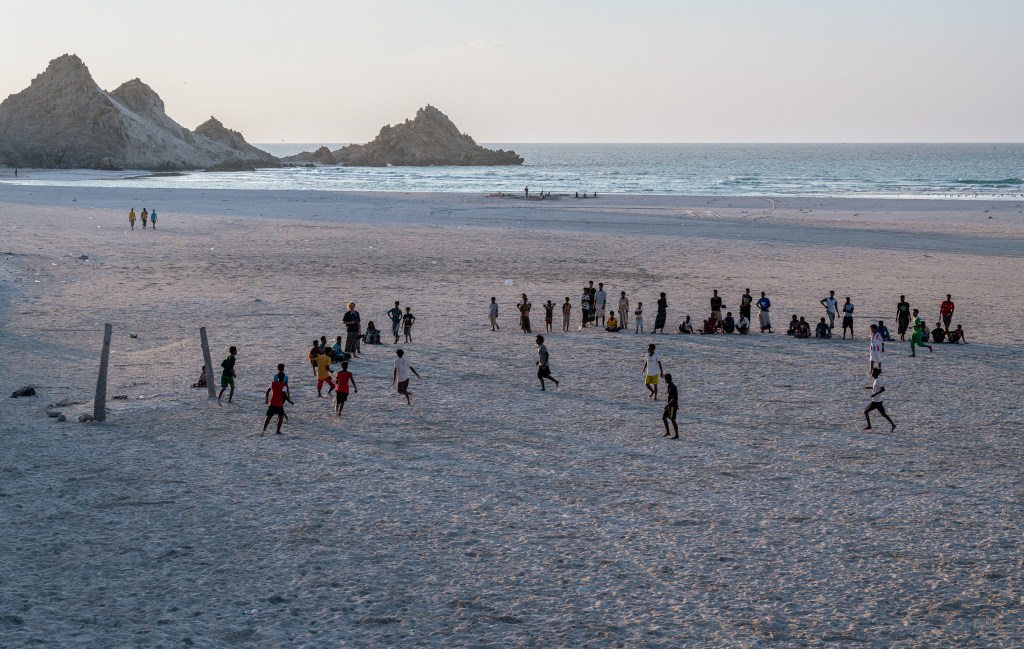
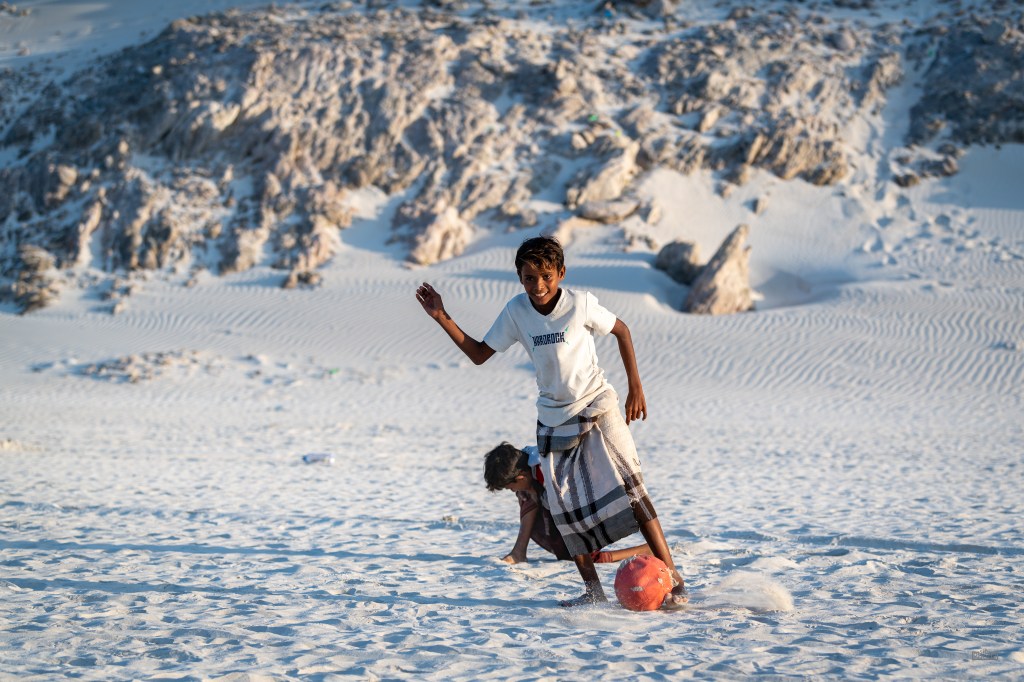
A town of about 4,000 people on the northwest coast of Socotra, Qalansiyah is primarily a fishing village. We camped right on the beach about a mile north of town, near the beautiful Detwah lagoon. In the evening, we watched a group of young people play soccer / football on the beach, then saw the sun go down over the lagoon.
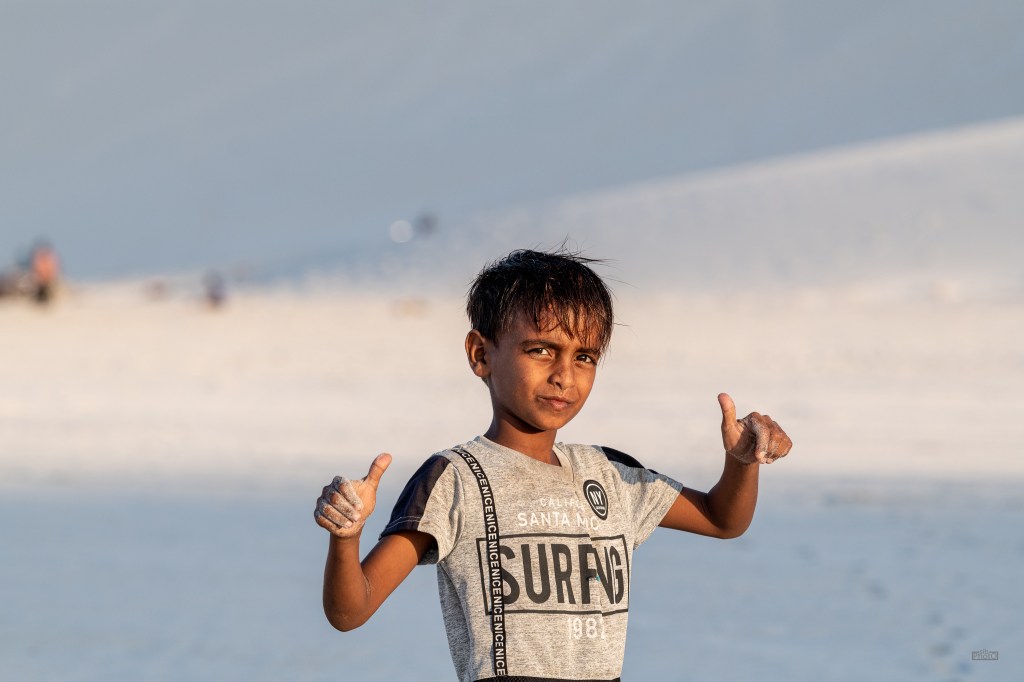

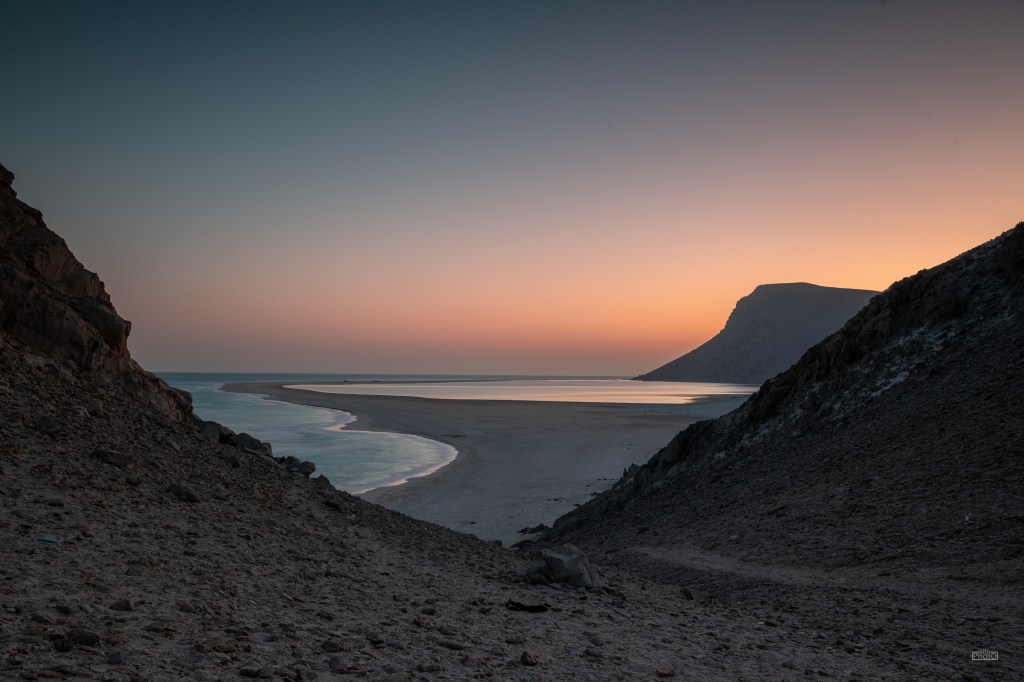
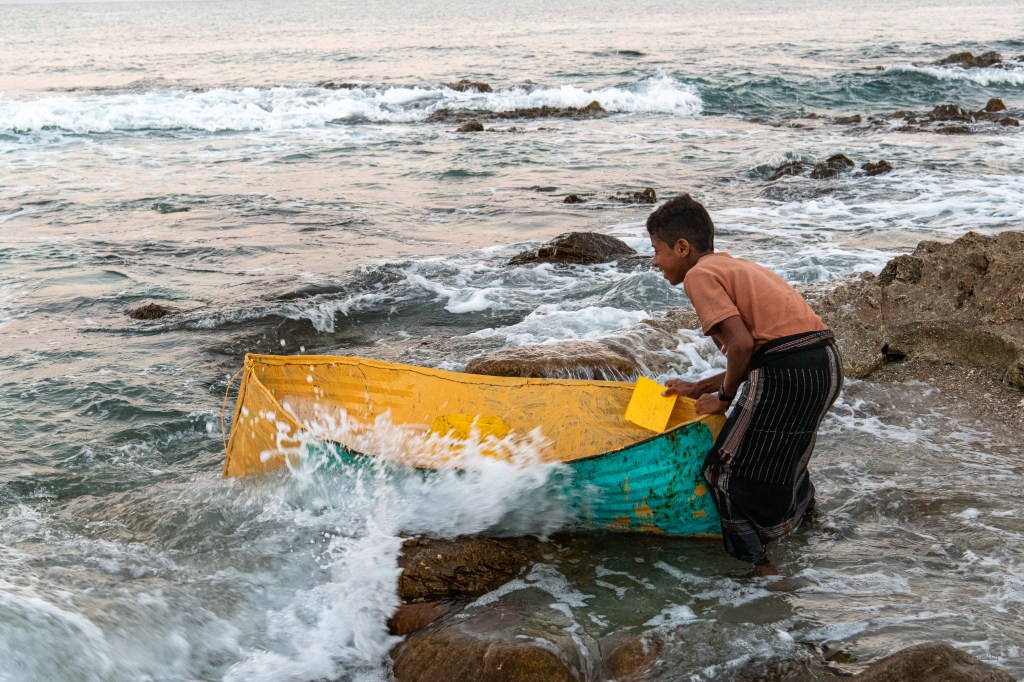
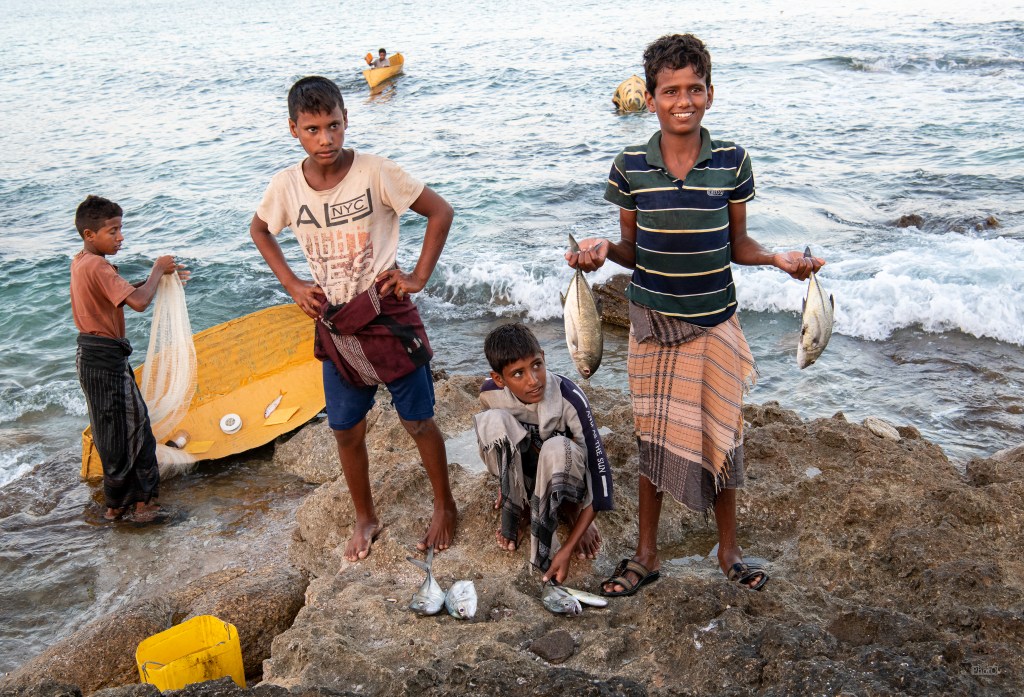
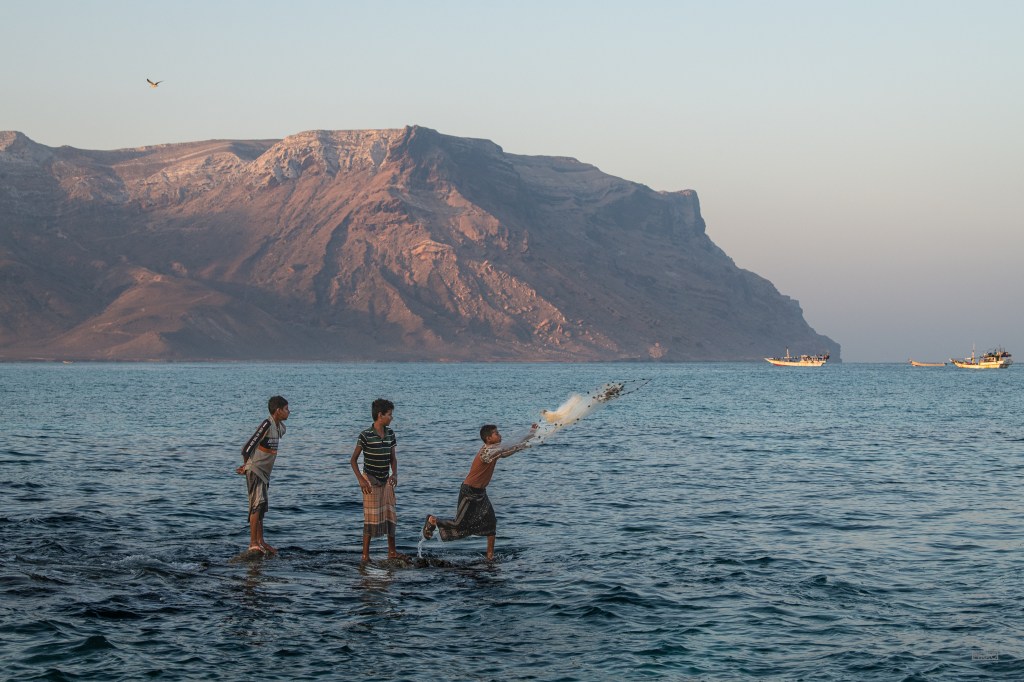
In the morning, we walked back toward town, where boys too young to go out on the official fishing boats fish in little boats that they’ve made from 55-gallon drums. Boys who don’t have these drum-boats walk out into the water and fish with nets. We bought our fish for the day from them.
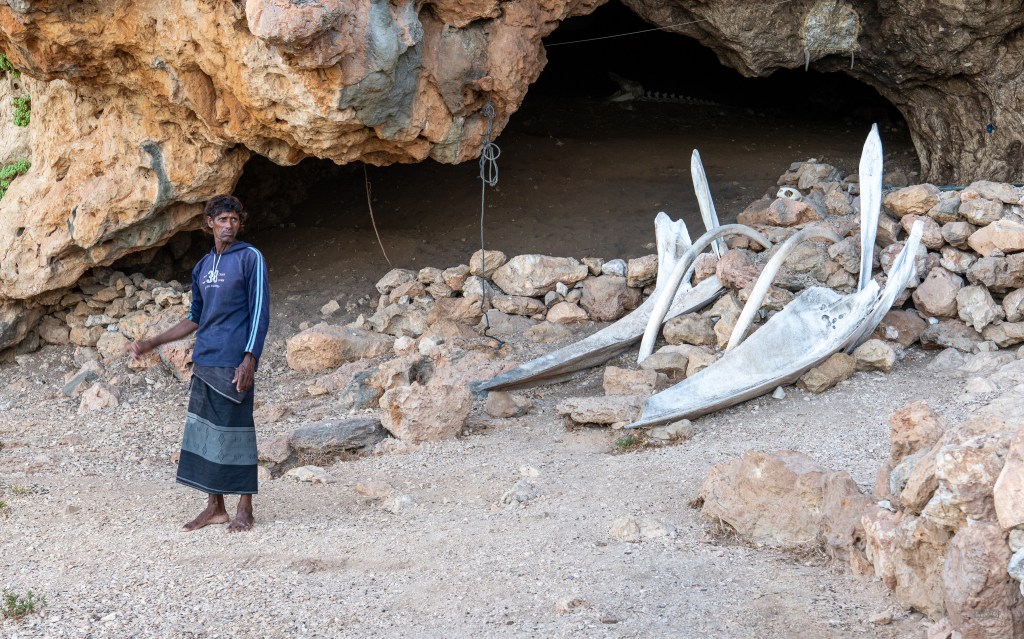
Further up the beach lives the “hermit of Socotra,” Ellai (sometimes known as Abdullah). He was kind enough to demonstrate his fishing technique, show us the whale bones from his personal story, and invite us into the cave in which he lives.

Dragon Blood Trees
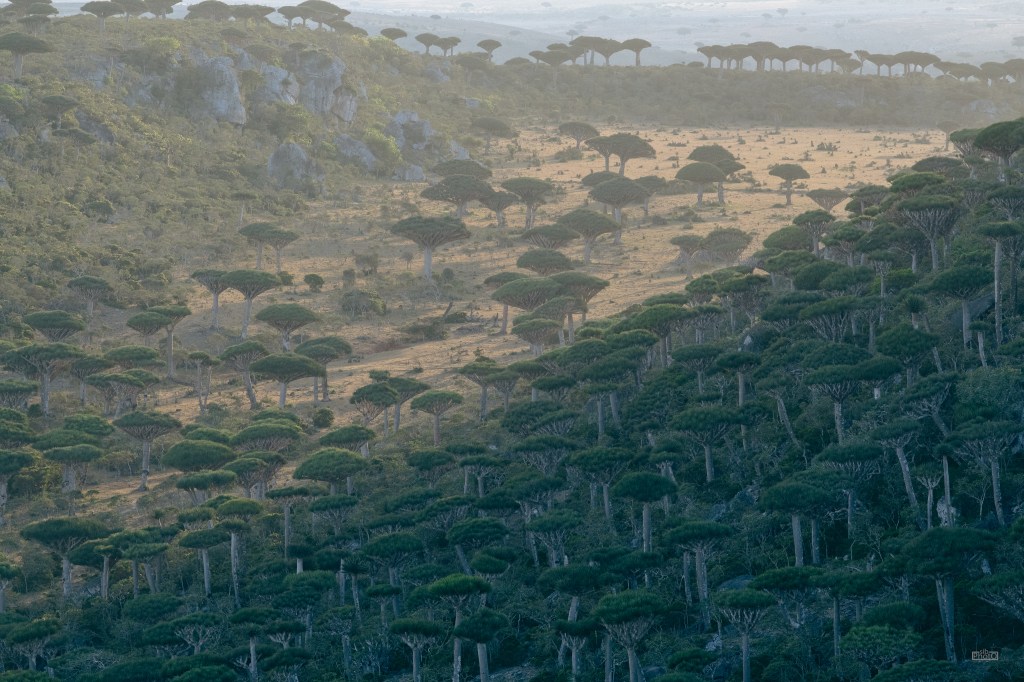
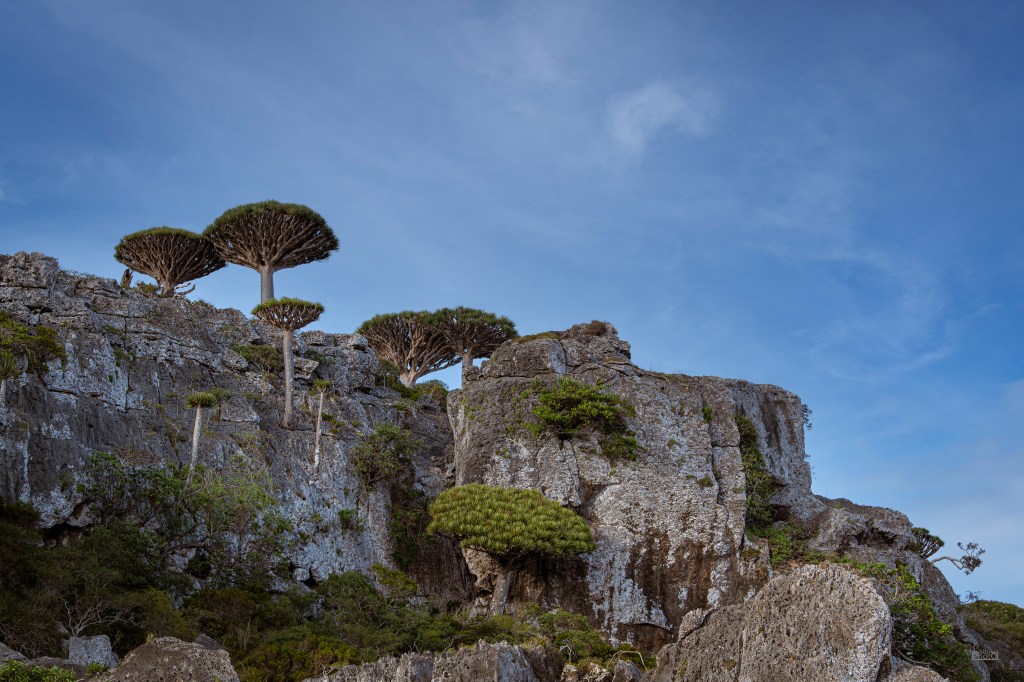
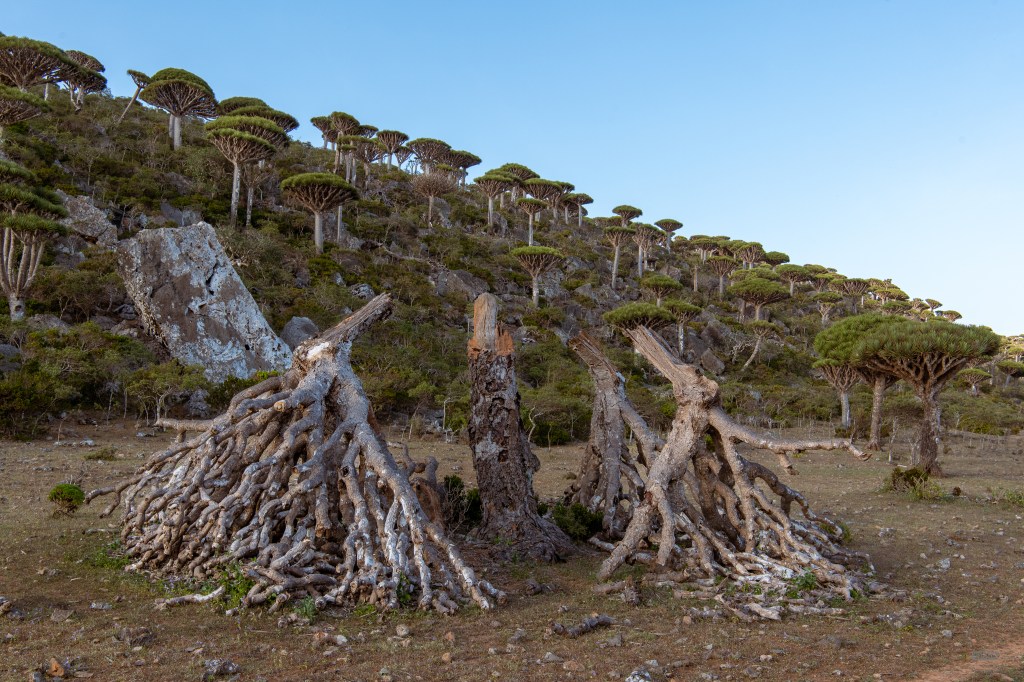
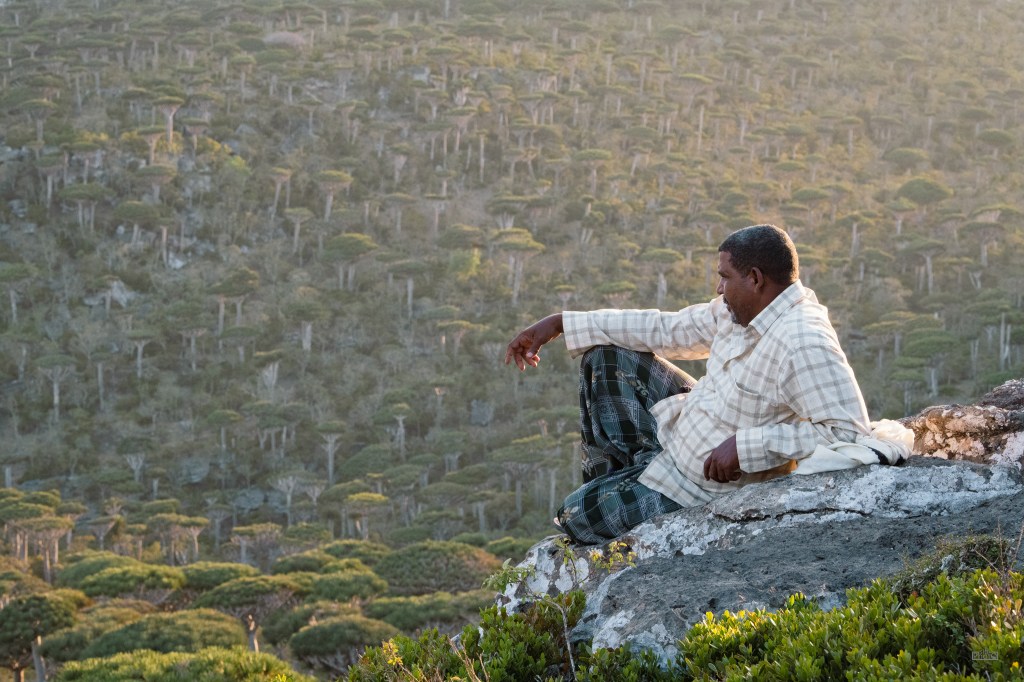
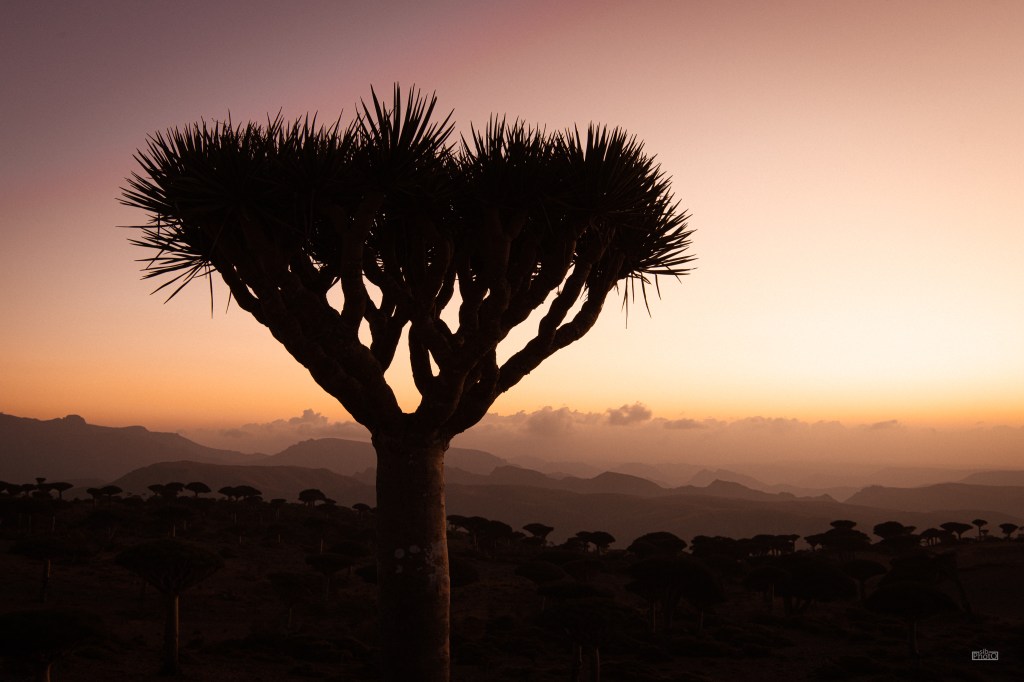
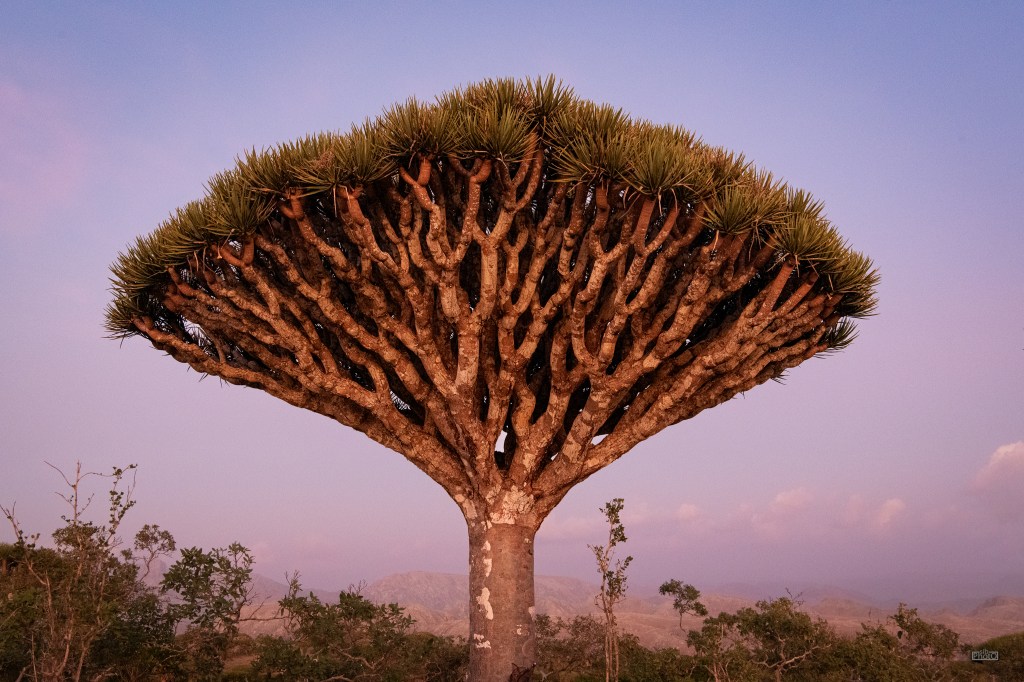
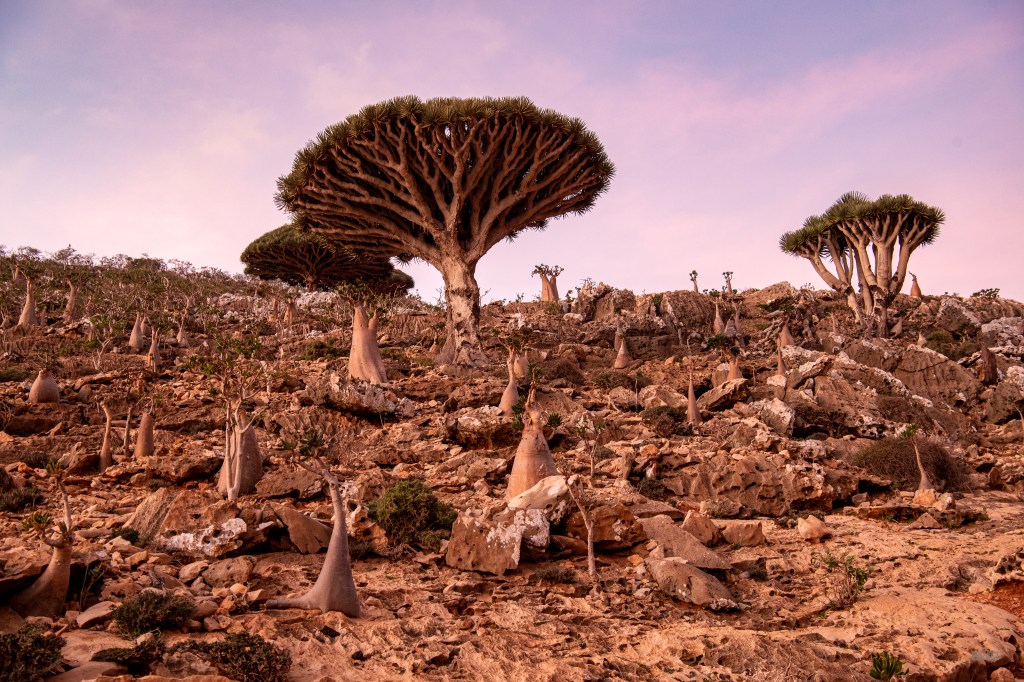
These very strange trees, Dracaena cinnabari, are endemic to Socotra and found in only two areas, the Firhmin Forest and the Homhil Valley. We were able to camp in both locations during our stay in Socotra. While their lifecycle is not fully understood, they live for hundreds of years and grow extremely slowly to more than 30 feet tall; although there are tens of thousands of the trees, they are threatened because the domestic goats eat the young trees, so they are not being replaced as they die.
Zaheq Dunes
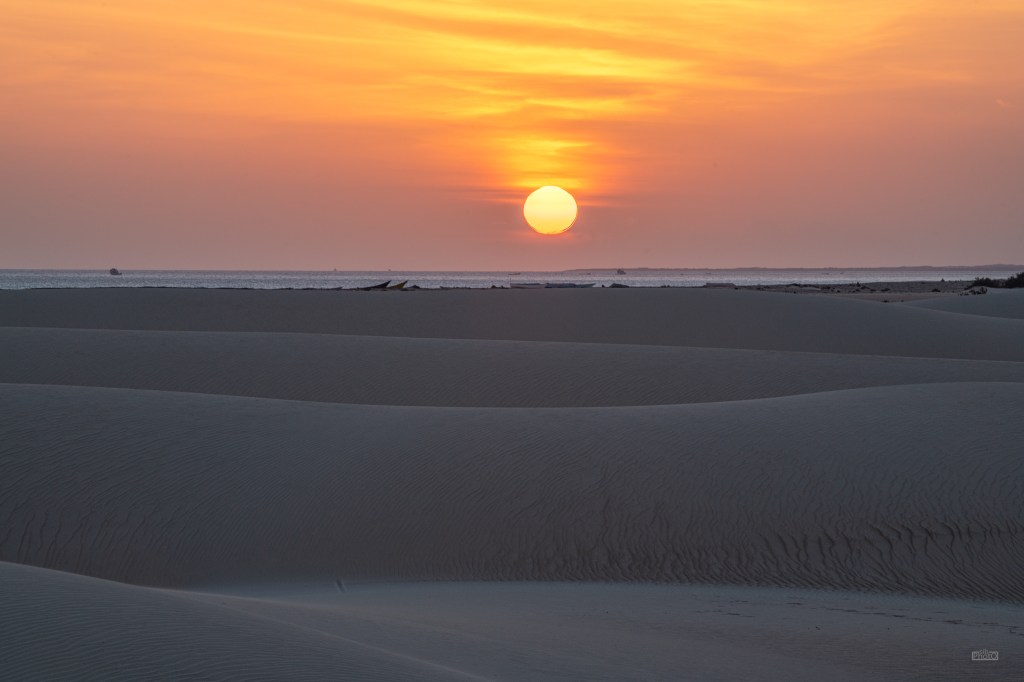
At the southern edge of Socotra, overlooking the Indian Ocean, lie the Zaheq Dunes. Local fishermen pull their boats up on shore for the night before heading out pre-dawn to fish. We shot the dunes at sunset and were lucky enough to experience glowing purple skies for just a few minutes.


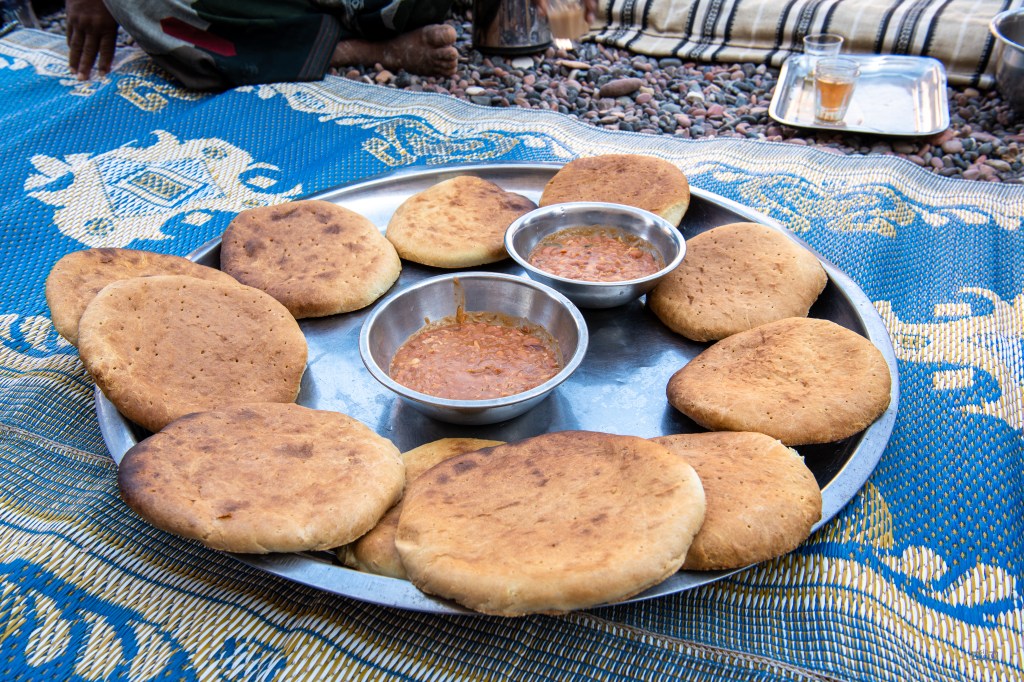
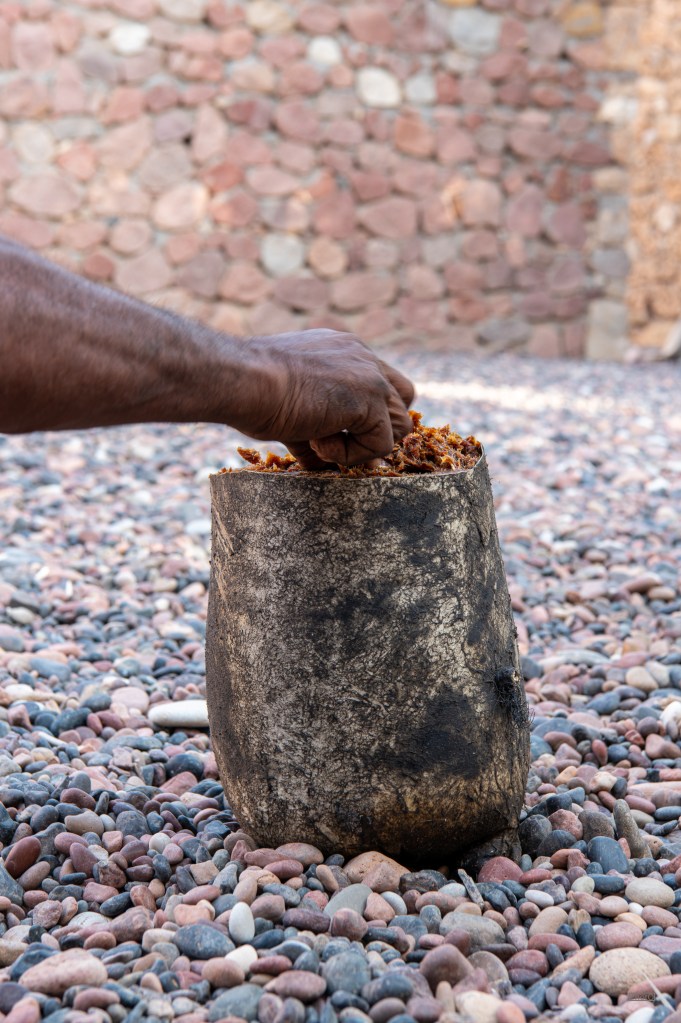
We camped nearby at Aomak and were able to join a group of local men for a breakfast of tea, fresh-made bread, and dates (compressed and preserved in a goatskin).
Hadiboh
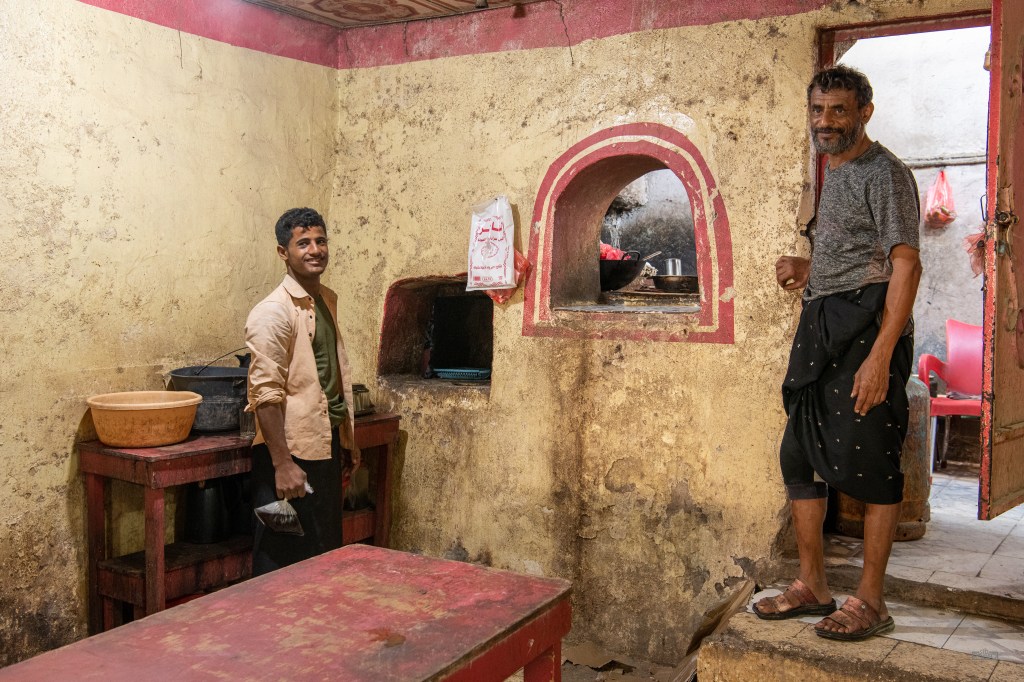
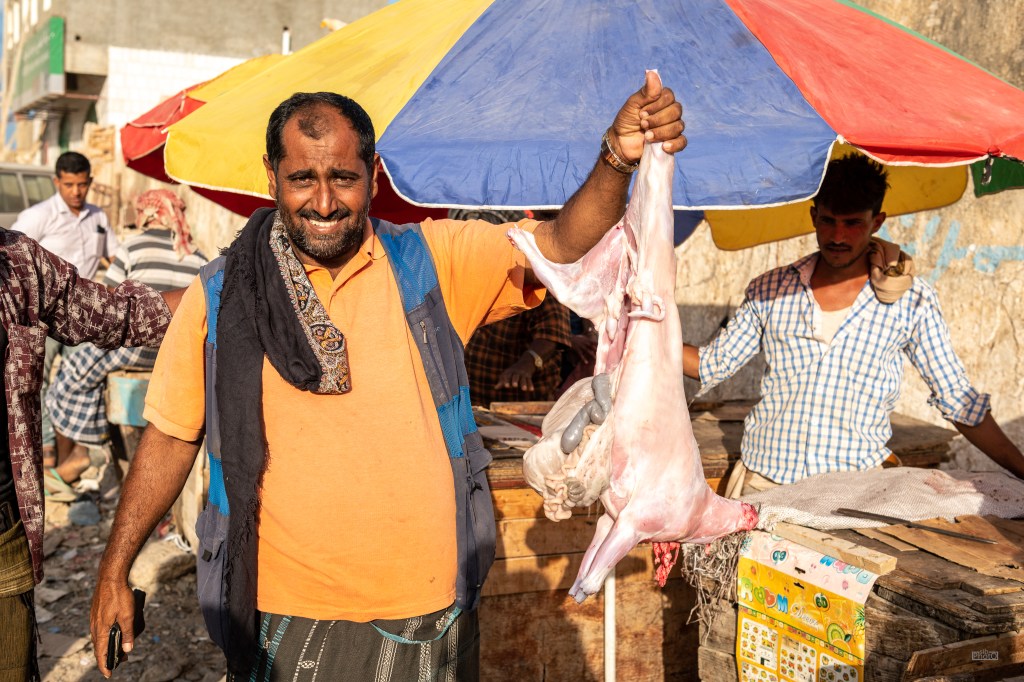
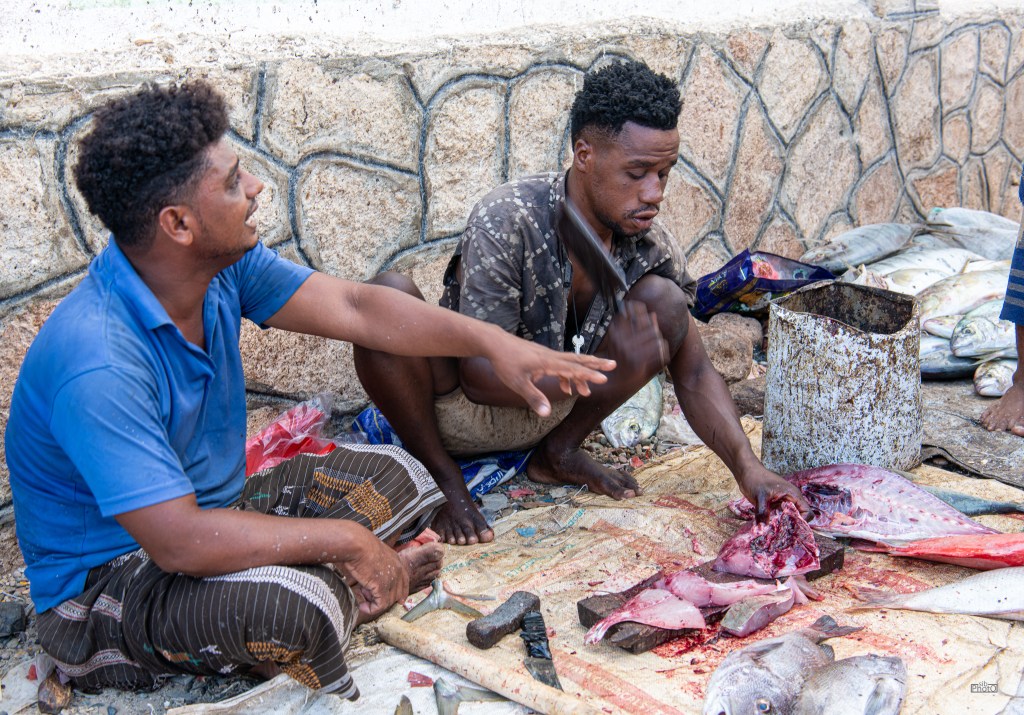
Hadiboh is Socotra’s main town – approximately half of the island’s 60,000 residents live there. It is busy, with shops, a hospital, two or three very small hotels, a few restaurants, and local purveyors of fresh fish and goat.


Leave a Reply